Introduction
Summer temperatures often accelerate fermentation, which can challenge even experienced kombucha brewers. Maintaining a balanced environment ensures that the SCOBY remains vigorous and the brew retains its characteristic effervescence. Selecting reliable starter cultures and appropriate fermentation vessels further stabilises the process during hot months. This article presents twelve essential tips that integrate proven products to support successful summer brewing.
Each tip references a specific Amazon product that has demonstrated high customer satisfaction, competitive pricing, and organic certification where applicable. By following the guidance below, one can minimise the risk of off‑flavours, mould growth, and inconsistent carbonation. The recommendations combine scientific principles with practical experience from seasoned home brewers. Ultimately, one will achieve a consistently refreshing kombucha that thrives in warm weather.
- Choose an Organic, Certified SCOBY for a Strong Start
One of the most critical decisions is selecting a SCOBY that is both USDA certified organic and cultivated in a controlled laboratory. The Fermentaholics Organic Kombucha SCOBY provides a mature starter culture along with 1.5 cups of strong starter tea, sufficient for a one‑gallon batch. Priced at $13.89 and boasting a 4.5‑star rating from over eight thousand reviews, it offers reliable performance for beginners and experts alike. Customers frequently praise its thick, creamy texture and the clarity it brings to subsequent brews. - Utilise a Dual‑Tea Blend to Preserve SCOBY Colour
Many brewers notice that black tea can cause the SCOBY to develop a dark hue over time. Incorporating a 50/50 blend of green and black tea helps maintain a lighter SCOBY appearance while preserving acidity. The starter kit from Urban Kitchen Organic Kombucha Starter Kit includes both green and black tea leaves, ensuring balanced nutrients for the culture. At $13.49 and a 4.3‑star rating, reviewers highlight the kit’s consistent flavour profile and rapid SCOBY growth. This approach reduces the need for frequent SCOBY replacements during summer cycles. - Employ a Wide‑Mouth Glass Jar for Easy Access
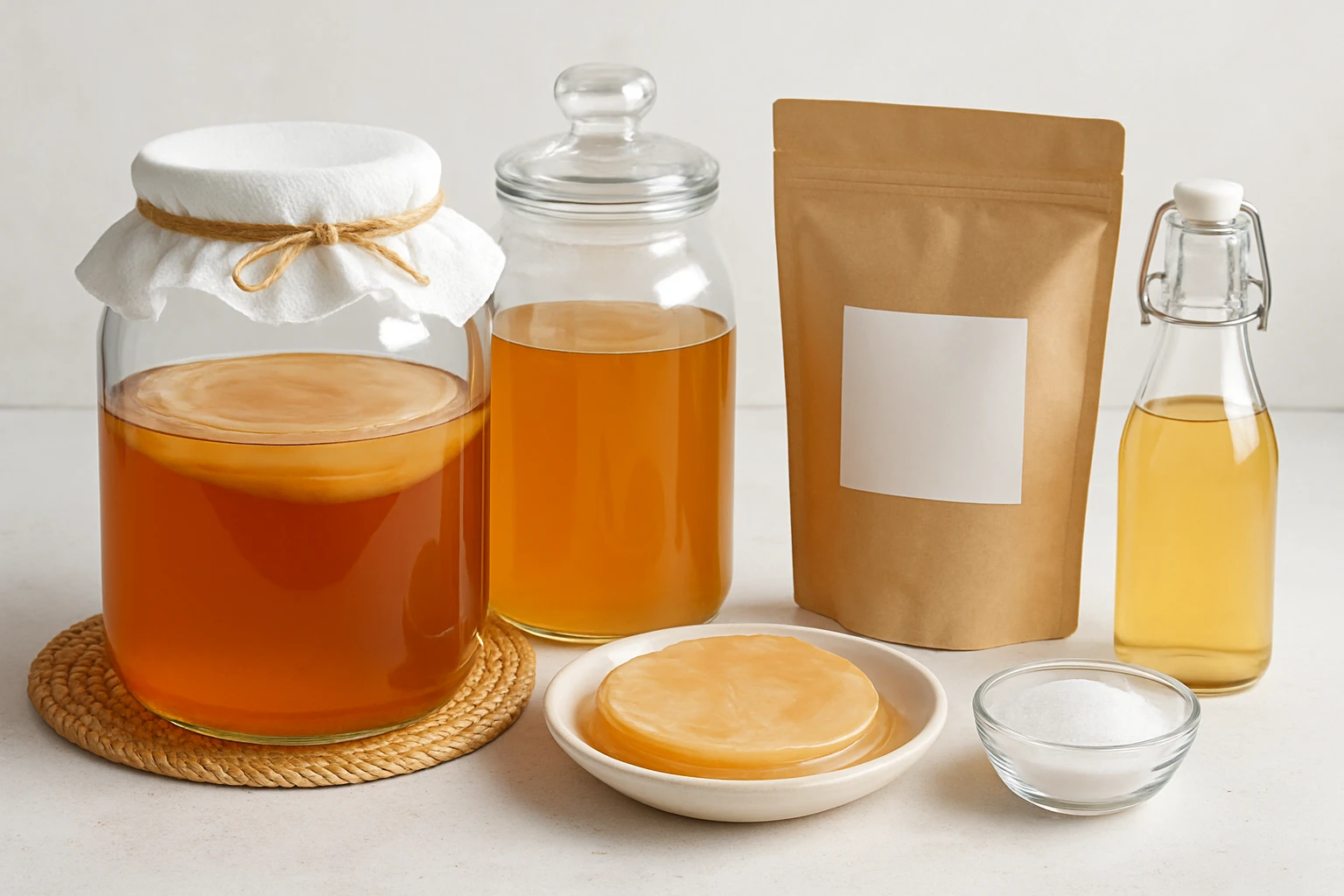
During hot months, frequent stirring and temperature checks become necessary, making a wide‑mouth container highly advantageous. The kitchentoolz 1‑Gallon Kombucha Brewing Jar offers a spacious opening, a cotton cloth cover, and a secure rubber band for proper airflow. Priced at $21.99 with a 4.8‑star rating, users commend its durability and the convenience of adding flavourings without contaminating the brew. The thick glass also resists thermal shock, protecting the culture from sudden temperature fluctuations. - Maintain Optimal Temperature Range
One should aim to keep the fermentation environment between 68°F and 78°F to prevent over‑acidification. In summer, placing the jar in a shaded area or using a small fan can moderate temperature spikes. Pairing the Fermentaholics SCOBY with the kitchentoolz jar allows one to monitor temperature visually, as the glass does not obscure the liquid. Customer feedback frequently mentions that the combined use of these products results in a steady pH drop without excessive sourness. - Monitor pH Levels with Test Strips
Accurate pH measurement ensures that the brew remains within the safe range of 3.0 to 3.5, preventing mould formation. The Urban Kitchen starter kit includes a starter liquid that typically sets the initial pH near the ideal level, reducing the need for extensive adjustments. Reviewers note that the starter’s potency often eliminates the requirement for additional vinegar, streamlining the brewing workflow. Regular testing also informs the brewer when to begin the secondary fermentation for carbonation. - Implement a “SCOBY Hotel” for Backup Culture
Creating a secondary container for spare SCOBYs safeguards against accidental loss during intense summer brewing. The kitchentoolz jar’s airtight plastic lid is ideal for storing a SCOBY hotel, preserving moisture and preventing contamination. Users have reported that maintaining a hotel in a cooler part of the house reduces the need to purchase new cultures each season. This practice aligns with the sustainable ethos promoted by Fermentaholics, which encourages reusing starter cultures indefinitely. - Use Fresh, Filtered Water to Avoid Off‑Flavours
Water quality directly influences the taste and clarity of kombucha, especially when temperatures accelerate microbial activity. The Urban Kitchen kit specifies triple‑filtered water as a base, ensuring minimal chlorine or mineral interference. Customer anecdotes describe a noticeable improvement in aroma when switching from tap water to filtered water, particularly during hot weather. Consistent water quality also supports the health of the SCOBY, preventing stress‑induced mutations. - Adjust Sweetness to Counteract Rapid Fermentation
Higher ambient temperatures cause yeast to consume sugar more quickly, which can lead to a drier final product. One should consider increasing the initial sugar concentration by 10 to 15 percent when brewing in summer. The Fermentaholics starter includes a generous amount of starter tea, allowing the brewer to experiment with sugar levels without compromising acidity. Positive reviews highlight the kit’s flexibility for such adjustments, noting that the SCOBY adapts well to modest variations. - Incorporate Fruit Flavours During Secondary Fermentation
Adding fruit or juice after the primary fermentation introduces additional sugars that generate carbonation. The wide‑mouth design of the kitchentoolz jar simplifies the addition of berries, citrus slices, or ginger without exposing the brew to contaminants. Users frequently share that the jar’s secure rubber band prevents fruit flies from entering, a common summer nuisance. This method yields a naturally fizzy kombucha with nuanced flavour profiles. - Seal the Jar Properly to Preserve Carbonation
Once the desired flavour is achieved, one must transfer the kombucha to a sealed container to trap carbon dioxide. The kitchentoolz jar’s plastic lid provides an airtight seal, preventing gas loss during storage. Reviewers appreciate that the lid fits tightly even after repeated use, ensuring consistent fizz across batches. Pairing this jar with the Urban Kitchen starter’s robust culture often results in higher carbonation levels than standard kits. - Store Finished Kombucha in a Cool, Dark Place
After bottling, refrigeration slows further fermentation and stabilises carbonation. Keeping the bottles away from direct sunlight preserves the delicate balance of acids and sugars. The Fermentaholics starter’s mature starter tea contributes to a stable pH, reducing the risk of over‑carbonation during storage. Customers have reported that kombucha stored in the refrigerator retains its bright colour and mild effervescence for several weeks. - Recycle and Reuse Materials for Sustainability
Choosing reusable glass jars and organic starter cultures reduces waste and aligns with environmentally conscious brewing. Both the Fermentaholics SCOBY and the Urban Kitchen kit are USDA certified organic, supporting sustainable agriculture. The kitchentoolz jar’s durable glass can be repurposed for future batches or other fermentation projects, extending its lifespan. Positive feedback frequently mentions the cost‑effectiveness of this approach, especially when the initial investment yields multiple successful brews.
Product Comparison
| Product | Price | Rating | Key Feature |
|---|---|---|---|
| Fermentaholics Organic Kombucha SCOBY | $13.89 | 4.5/5 (8,136 reviews) | USDA certified organic starter with 1.5 cups liquid |
| Urban Kitchen Organic Kombucha Starter Kit | $13.49 | 4.3/5 (1,603 reviews) | Includes both green and black tea for balanced nutrition |
| kitchentoolz 1‑Gallon Kombucha Brewing Jar | $21.99 | 4.8/5 (1,139 reviews) | Wide‑mouth glass with cloth cover and airtight lid |
Conclusion
By applying these twelve summer kombucha brewing tips, one can maintain a healthy SCOBY, achieve consistent carbonation, and enjoy a refreshing beverage throughout the warm season. Selecting high‑quality organic starter cultures and a reliable fermentation jar enhances both flavour and safety, while sustainable practices reduce environmental impact. The combined use of the Fermentaholics SCOBY, Urban Kitchen starter kit, and kitchentoolz brewing jar provides a comprehensive solution for any home brewer seeking reliable results. Implementing these strategies will empower one to produce vibrant, fizzy kombucha that stands up to the challenges of summer heat.
Frequently Asked Questions
How does hot summer weather affect kombucha fermentation?
Higher temperatures speed up yeast activity, leading to faster acid production and potentially over‑fermentation if not monitored.
What type of SCOBY should I use for summer brewing?
Choose a USDA‑certified organic SCOBY, as it’s robust and less prone to contamination in warm conditions.
Can I use a different fermentation vessel for hot climates?
A glass jar with a wide mouth and a breathable, yet secure, cloth cover helps maintain temperature stability and prevents mold.
How can I prevent off‑flavours when brewing in summer?
Keep the brew out of direct sunlight, maintain proper sugar levels, and monitor pH to avoid excessive acidity.
What’s the best way to achieve consistent carbonation in warm weather?
Seal the secondary fermentation bottle promptly after the primary phase and store it in a cooler spot to control carbonation rate.