Introduction
Fermentation has experienced a renaissance among home cooks who seek deeper flavor, enhanced nutrition, and sustainable food practices. One must understand that successful fermentation requires both scientific insight and artistic intuition, and the right reference material can accelerate mastery.
Professional chefs, food scientists, and enthusiastic hobbyists alike rely on curated guides that combine clear instructions, vivid photography, and cultural context. By selecting resources that have proven high ratings and positive customer sentiment, one can avoid common pitfalls and achieve consistent results.
18 Essential Guides, Recipes & Tips for Beginners
- Foundational Techniques
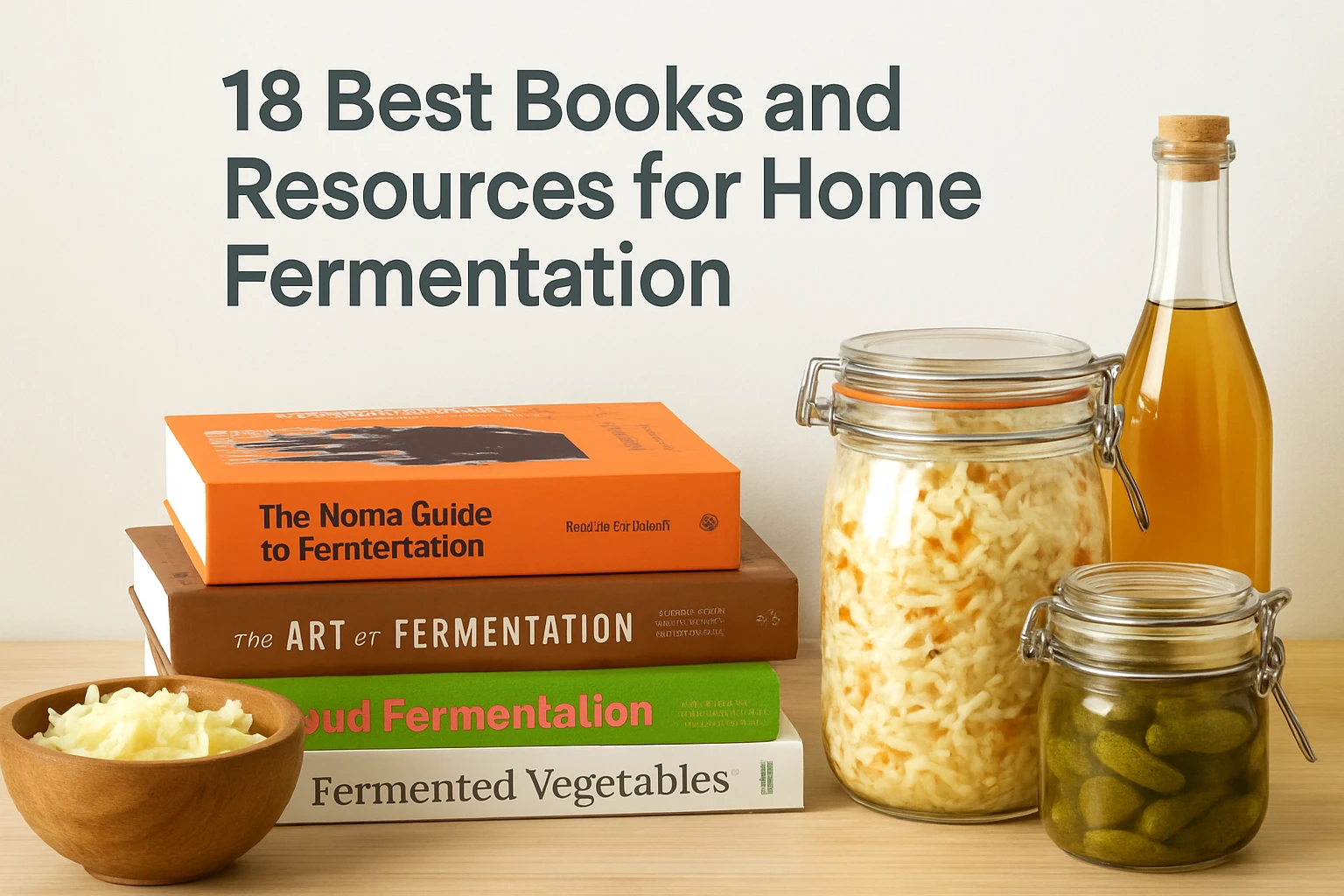
A solid foundation begins with a guide that explains the chemistry behind lactic acid, yeast, and mold. The Noma Guide to Fermentation provides comprehensive coverage of koji, kombucha, shoyu, miso, vinegars, garum, lacto‑ferments, and black fruits and vegetables. Priced at $15.77, the book offers exceptional value, especially considering its 4.8‑star rating from 4,719 reviews. Readers frequently praise its thoroughness, noting that the instructions are easy to read and follow, while the photography illustrates each step with clarity. - Artistic Fermentation Projects
Beyond basic sauerkraut, ambitious cooks desire projects that blend tradition with modern creativity. The Noma Guide to Fermentation introduces avant‑garde techniques such as creating black‑fruit miso and ancient Roman garum, encouraging experimentation with flavors rarely encountered in commercial products. The authors, René Redzepi and David Zilber, describe each process in a casual yet informed voice, making complex concepts accessible without sacrificing depth. - Tool and Equipment Recommendations
Successful fermentation often requires specific tools, such as airtight crocks, fermentation weights, and temperature‑controlled environments. While the guide does not sell equipment directly, it advises readers on essential items, allowing beginners to invest wisely. The clear recommendations reduce unnecessary trial and error, saving both time and money. - Flavor Development Strategies
Understanding how to balance acidity, salt, and sugar is crucial for developing nuanced profiles. The Noma Guide to Fermentation dedicates chapters to flavor layering, explaining how koji can unlock umami in vegetables and how extended fermentation can deepen complexity. Customer feedback highlights that the book transforms the kitchen into a laboratory for taste. - Historical Context and Cultural Insight
Fermentation is rooted in centuries‑old traditions across continents. The guide contextualizes each recipe within its cultural heritage, from Japanese miso to Mediterranean garum, offering readers a richer appreciation of global food history. This narrative approach satisfies readers who seek both practical instruction and intellectual enrichment. - Step‑by‑Step Visual Guides
Visual learners benefit from high‑resolution images that accompany each recipe. The guide’s photography captures textures, colors, and stages of fermentation, enabling readers to compare their own progress with professional standards. Reviewers frequently comment that the images are “beautiful” and serve as a reliable reference point. - Safety and Hygiene Practices
Proper sanitation prevents spoilage and harmful bacterial growth. The guide outlines best practices for cleaning containers, monitoring pH, and recognizing signs of failure. By emphasizing safety, the book builds confidence in beginners who might otherwise fear the unknown. - Scaling Recipes for Home Kitchens
Many professional fermentation manuals assume commercial scale, but home cooks need adaptable portions. The Noma Guide to Fermentation includes conversion tables and tips for scaling recipes up or down without compromising flavor or texture. This flexibility is especially valuable for households with varying appetites. - Ingredient Sourcing Guidance
Quality ingredients influence the final product dramatically. The guide advises on selecting organic vegetables, high‑grade soybeans, and authentic grain varieties, as well as where to purchase specialty items online or at local markets. Readers appreciate the practical sourcing tips that reduce the barrier to entry. - Seasonal Fermentation Calendars
Timing is essential when aligning fermentation with seasonal produce. The book presents a calendar that matches vegetables and fruits to optimal fermentation windows, encouraging sustainable consumption and reducing waste. This seasonal approach resonates with environmentally conscious cooks. - Advanced Flavor Pairings
Once basic techniques are mastered, the guide explores pairing fermented ingredients with cheeses, charcuterie, and cocktails. By suggesting complementary textures and aromas, the book expands the culinary repertoire of home chefs seeking to impress guests. - Recipe Variations and Substitutions
Flexibility is key when dietary restrictions arise. The guide offers substitution charts for gluten‑free grains, low‑sodium salts, and alternative sweeteners, ensuring that fermentation remains inclusive. This adaptability has earned praise for accommodating diverse kitchens. - Fermentation for Health Benefits
Scientific research links fermented foods to gut health, immune support, and improved digestion. The authors summarize current studies and explain how specific microbes contribute to these benefits, empowering readers to make informed health choices. - Creative Presentation Ideas
Aesthetically pleasing presentations elevate the dining experience. The guide suggests plating techniques, glassware choices, and garnishes that highlight the vibrant colors of fermented vegetables and drinks. Such guidance transforms a simple side dish into a centerpiece. - Troubleshooting Common Issues
Even experienced fermenters encounter challenges such as off‑flavors, mold growth, or stalled fermentation. The book provides a diagnostic flowchart that helps readers identify problems quickly and apply corrective actions, reducing frustration and waste. - Integration with Modern Kitchen Appliances
Smart appliances, such as temperature‑controlled fermenters, are increasingly popular. The guide discusses how to incorporate these devices while preserving traditional methods, bridging the gap between heritage and technology. - Community and Sharing Resources
Fermentation thrives in communal environments where knowledge is exchanged. The authors encourage readers to join online forums, attend workshops, and share their creations, fostering a supportive network that extends beyond the pages of the book. - Future Trends in Fermentation
Emerging trends include plant‑based alternatives, experimental flavor compounds, and sustainable waste‑upcycling. The guide concludes with a forward‑looking perspective, inspiring readers to become innovators in their own kitchens.
Conclusion
Choosing the right reference material can dramatically shorten the learning curve for home fermentation enthusiasts. By focusing on guides that combine scientific rigor, cultural storytelling, and practical visuals, one can achieve consistent, flavorful results while enjoying the process.
Among the resources examined, The Noma Guide to Fermentation stands out for its comprehensive coverage, high customer rating, and affordable price point. Readers who invest in this book will find themselves equipped to explore both classic and avant‑garde projects, ultimately transforming their kitchens into hubs of culinary creativity.
Frequently Asked Questions
What are the key chemical processes involved in home fermentation?
Fermentation relies on lactic acid bacteria, yeasts, and molds converting sugars into acids, alcohol, or gases, which preserve food and develop flavor.
Which book is recommended for beginners to learn both science and technique?
The Noma Guide to Fermentation is praised for its clear explanations of koji, kombucha, miso, and other basics, making it ideal for newcomers.
How can I avoid common fermentation pitfalls?
Choose resources with high ratings, follow precise salt ratios, maintain proper temperature, and use clean equipment to prevent spoilage.
What types of foods can I ferment at home using the recommended guides?
You can ferment vegetables, dairy, grains, fruits, and beverages such as kimchi, sauerkraut, kefir, kombucha, miso, and vinegar.
Why is it important to combine scientific insight with artistic intuition in fermentation?
Science ensures safety and consistency, while intuition lets you adjust flavors and textures to suit personal taste.