
Best Countertop Materials for Fermentation: The Ultimate Guide to Food‑Safe, Durable, Easy‑to‑Clean Surfaces
Introduction
Fermentation enthusiasts understand that the surface on which they work can influence both safety and flavor development. This guide explains the essential properties of fermentation‑friendly countertops, reviews the most reliable materials, and recommends specific products that meet rigorous food‑safe standards. Readers will learn how to evaluate durability, water resistance, and ease of cleaning, as well as how to maintain a hygienic workspace over the long term.
In addition to theoretical background, the article integrates three Amazon‑available contact papers that provide affordable upgrades for existing countertops. Each product is examined for its suitability in fermentation environments, and practical tips are offered for installation and maintenance.
Background and Context
Fermentation relies on controlled microbial activity, which thrives in clean, non‑reactive environments. Countertops must therefore be non‑porous, resistant to moisture, and easy to sanitize with hot water, vinegar, or mild bleach solutions. Traditional materials such as untreated wood can harbor bacteria, while certain stones may stain or crack under acidic conditions.
Modern alternatives include high‑density polyethylene (HDPE), stainless steel, engineered quartz, and specialized vinyl‑based contact papers. Each material presents a trade‑off between cost, installation complexity, and aesthetic flexibility. Understanding these trade‑offs enables home fermenters to select a surface that aligns with their budget and workflow.
Key Countertop Materials for Fermentation
1. Food‑Safe Vinyl Contact Paper
Vinyl contact paper offers a thin, flexible layer that adheres directly to existing surfaces. When manufactured from PVC vinyl with a waterproof coating, it creates a barrier that prevents liquid penetration and resists staining. The material is also removable, making it suitable for renters or temporary projects.
Two products stand out for fermentation use:
- Livelynine Marble Contact Paper – a dark brown marble‑styled vinyl sheet measuring 15.8 × 78.8 in (8.65 sq ft). It is oil‑proof, waterproof, and rated 4.4 stars by 1,187 reviewers.
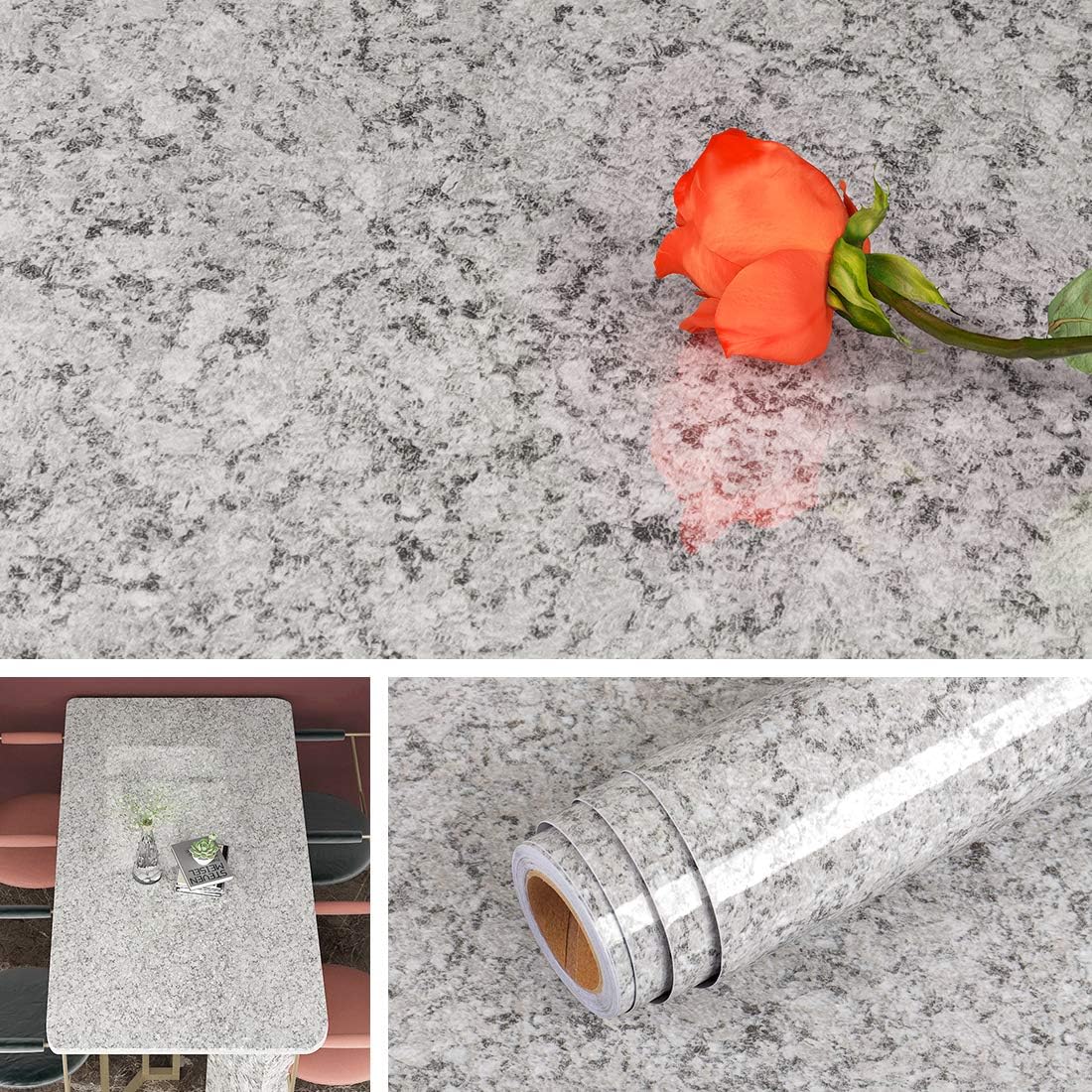
- Livelynine Granite Contact Paper – a larger 24 × 197 in (32.3 sq ft) sheet that mimics granite. It shares the same waterproof PVC construction and holds a 4.3‑star rating from 2,271 reviews.
Both sheets are self‑adhesive, eliminating the need for additional glues. Their premium printing ensures color stability, which is important for visual inspection of spills during fermentation cycles.
2. Wood‑Grain Vinyl Contact Paper
For fermenters who prefer a warm, rustic aesthetic, wood‑grain vinyl provides the appearance of natural timber without the porosity of real wood. The material is typically 0.35 mm thick, offering a balance between durability and flexibility.
The recommended option is:
- WESTICK Brown Wood Contact Paper – a 15.8 × 394 in roll priced at $29.99, rated 4.4 stars by 1,440 reviewers. It is waterproof, self‑adhesive, and includes gridlines for precise cutting.
Its realistic grain pattern can enhance the visual appeal of a fermentation station while still providing a non‑porous surface that can be wiped clean with a damp cloth.
3. Stainless Steel
Stainless steel remains the gold standard for professional fermentation labs due to its absolute non‑reactivity and ease of sanitation. It resists corrosion, tolerates high temperatures, and does not absorb odors. However, the material is expensive and requires professional fabrication.
For home setups, a stainless steel prep table or a butcher block with a stainless top insert can provide similar benefits without the full cost of a custom countertop.
4. High‑Density Polyethylene (HDPE) Sheets
HDPE is a rigid plastic that offers excellent chemical resistance and can be cut to size with standard woodworking tools. It is often used in commercial food‑service environments and can be welded to create seamless surfaces. While heavier than vinyl contact papers, HDPE provides a long‑term, permanent solution.
Comparison and Selection Guide
| Material | Cost (per sq ft) | Installation | Durability | Food‑Safety | Best For |
|---|---|---|---|---|---|
| Vinyl Marble Contact Paper (Livelynine) | ~$0.50 | Peel‑and‑stick, DIY cutting | Moderate – replaceable | Waterproof, oil‑proof, non‑porous | Renters, quick upgrades |
| Vinyl Granite Contact Paper (Livelynine) | ~$1.00 | Peel‑and‑stick, larger sheets | Moderate – replaceable | Waterproof, oil‑proof, non‑porous | Large countertops, seamless look |
| Wood‑Grain Vinyl (WESTICK) | ~$0.30 | Peel‑and‑stick, gridline guides | Moderate – replaceable | Waterproof, non‑porous | Rustic aesthetics, budget projects |
| Stainless Steel | $15‑$30 | Professional installation | High – decades of service | Fully food‑safe, non‑reactive | Professional labs, heavy‑use kitchens |
| HDPE Sheet | $2‑$4 | Cut and weld, moderate skill | High – resistant to impact | Food‑grade grades available | Permanent installations, commercial settings |
When selecting a material, prioritize food safety, ease of cleaning, and the ability to withstand acidic brines. Vinyl contact papers excel in affordability and visual versatility, while stainless steel and HDPE provide unmatched durability for long‑term fermenters.
Best Practices & Tips for Fermentation‑Ready Countertops
- Sanitize Before Use: Wipe the surface with a solution of 1 part white vinegar to 4 parts water, then rinse with hot water. This removes residual microbes without damaging vinyl.
- Avoid Abrasive Scrubbing: Use soft sponges or microfiber cloths. Harsh scouring pads can scratch vinyl and compromise its waterproof barrier.
- Seal Edges: For vinyl contact papers, apply a thin line of food‑grade silicone sealant along the edges to prevent moisture seepage underneath the sheet.
- Temperature Management: Do not expose vinyl surfaces to temperatures above 140 °F (60 °C), as prolonged heat can cause warping. Stainless steel tolerates higher heat.
- Rotate Fermentation Trays: Move containers periodically to ensure even temperature distribution and to avoid localized staining.
- Replace Worn Sections: Vinyl sheets can develop micro‑tears over time. Replace only the affected area rather than the entire surface to save cost.
- Use Dedicated Cutting Boards: Even on non‑porous surfaces, a board prevents knife marks and prolongs the life of the countertop.
Frequently Asked Questions
- 1. Is vinyl contact paper truly food‑safe?
- Yes, when the product is labeled as PVC vinyl with a food‑grade coating, it meets FDA guidelines for indirect food contact. Both Livelynine and WESTICK specify food‑safe usage.
- 2. Can I use bleach on these vinyl surfaces?
- A diluted bleach solution (1 tsp per gallon) can be used occasionally, but prolonged exposure may cause discoloration. Rinse thoroughly with water after cleaning.
- 3. How long will a vinyl countertop last?
- With proper care, a vinyl sheet can last 3‑5 years in a home fermentation setting. High‑traffic areas may require earlier replacement.
- 4. Will the adhesive damage my original countertop when removed?
- The adhesive is designed to be removable without leaving residue on smooth surfaces such as laminate, tile, or sealed wood. Test a small area first.
- 5. Which material is best for high‑acid fermentations like sauerkraut?
- Stainless steel or food‑grade HDPE are optimal because they are completely non‑reactive. Vinyl is acceptable if the surface is promptly cleaned after each batch.
- 6. Do I need to seal the seams of large vinyl sheets?
- Yes, applying food‑grade silicone to seams prevents liquid infiltration and maintains a hygienic barrier.
- 7. Can I install vinyl contact paper on a wooden cutting board? dd>It is possible, but the wood must be sealed and smooth. Otherwise, the adhesive may not bond properly, and the wood could still absorb moisture.
Conclusion
Choosing the right countertop material is a foundational step in creating a safe, efficient fermentation workspace. Vinyl contact papers such as Livelynine Marble Contact Paper and Livelynine Granite Contact Paper provide budget‑friendly, water‑proof solutions that can be applied to existing surfaces. For a rustic look, WESTICK Brown Wood Contact Paper delivers a realistic wood grain while remaining non‑porous. Professionals seeking maximum durability may opt for stainless steel or HDPE, but the vinyl options deliver excellent performance for most home fermenters.
By following the best‑practice guidelines outlined above, readers can maintain a hygienic environment, extend the lifespan of their countertops, and focus on the art of fermentation rather than surface maintenance.
Products Featured in This Guide
Livelynine Marble Contact Paper
Price: Not listed (Amazon listing). Rating: 4.4/5 from 1,187 reviews.
Featured for its waterproof PVC vinyl construction, easy peel‑and‑stick application, and elegant marble aesthetic that suits fermentation stations.
WESTICK Brown Wood Contact Paper
Price: $29.99. Rating: 4.4/5 from 1,440 reviews.
Featured for its realistic wood grain, 0.35 mm thickness, and renter‑friendly removable design, providing a warm look without compromising food safety.
Livelynine Granite Contact Paper
Price: $32.99. Rating: 4.3/5 from 2,271 reviews.
Featured for its large 24 × 197 in sheet, granite‑like appearance, and durable waterproof vinyl that resists oil and moisture, ideal for expansive fermentation workspaces.