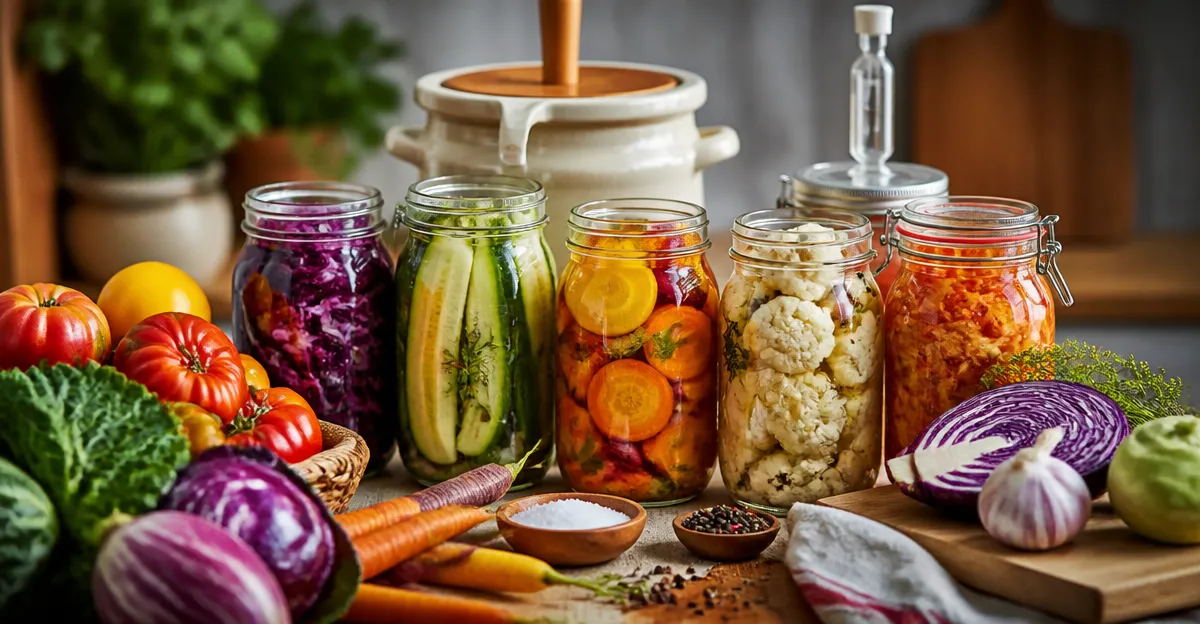
The Complete Guide to Preserving Heirloom Vegetables with Fermentation
Introduction
This guide explains how to preserve heirloom vegetables using fermentation, a time‑honored method that enhances flavor, nutrition, and shelf life. Readers will learn the science behind fermentation, how to select appropriate produce, which tools simplify the process, and step‑by‑step techniques for safe and successful batches. The article also compares three highly regarded reference books, offering clear criteria for choosing the most suitable resource.
Background and Context
Fermentation is a metabolic process in which microorganisms such as lactic‑acid bacteria convert sugars into acids, gases, or alcohol. In vegetables, the resulting lactic‑acid environment suppresses spoilage organisms, creating a stable, tangy product. Heirloom varieties possess unique flavors and textures that benefit especially from the gentle preservation that fermentation provides. Understanding salt concentration, temperature control, and anaerobic conditions is essential for consistent results.
Key Concepts and Strategies
Understanding Fermentation Basics
Successful fermentation depends on three core factors: salt, time, and temperature. Salt draws moisture from the vegetables, forming a brine that encourages beneficial bacteria while inhibiting pathogens. Typical concentrations range from 2 % to 5 % by weight. Time determines flavor development; most vegetable ferments mature within one to four weeks. Temperature should be kept between 60 °F and 70 °F (15 °C–21 °C) to promote lactic‑acid bacteria activity without encouraging spoilage.
Selecting Heirloom Vegetables
Choose fresh, unblemished specimens. Heirloom tomatoes, carrots, beets, and cabbage each respond differently to brine. For crisp textures, slice vegetables uniformly to ensure even salt penetration. Remove any wilted leaves, as they can introduce unwanted microbes.
Essential Equipment
While fermentation can be performed with basic kitchen tools, certain items streamline the process and improve safety. A reliable reference book offers detailed recipes and troubleshooting tips. The Ball Blue Book Guide to Preserving provides comprehensive coverage of traditional and modern techniques, including specific guidance for heirloom produce. For digital convenience, the Complete Beginner's Guide to Canning and Preserving delivers step‑by‑step methods suitable for novice fermenters. The Homesteading Essentials Series offers broader context on sustainable living, which aligns with the ethos of heirloom preservation.
Step‑by‑Step Fermentation Process
- Wash and trim vegetables, then cut them into uniform pieces.
- Weigh the produce and calculate the required salt (2 %–5 % of weight).
- Mix salt with the vegetables in a non‑metallic bowl; massage until liquid begins to release.
- Transfer the mixture to a fermentation vessel, pressing firmly to eliminate air pockets.
- Cover the vegetables with their own brine; if necessary, add a weight to keep them submerged.
- Seal the vessel with a breathable lid or airlock, then store at 60 °F–70 °F.
- Check daily for surface mold; skim any discoloration and ensure vegetables remain submerged.
- After the desired fermentation period, taste for acidity and texture, then transfer to refrigerated storage.
Comparison and Selection Guide
Choosing the right reference material depends on experience level, preferred format, and depth of content.
| Product | Format | Price | Rating | Best For |
|---|---|---|---|---|
| Ball Blue Book Guide to Preserving | Paperback | $121.36 | 4.7/5 (2,138 reviews) | Comprehensive, in‑depth reference for serious preservers. |
| Complete Beginner's Guide to Canning and Preserving | Kindle Edition | $2.99 | 4.9/5 (16 reviews) | Budget‑friendly, ideal for newcomers seeking quick guidance. |
| Homesteading Essentials Series | Paperback (assumed) | Price not listed | 5/5 (2 reviews) | Broad perspective on sustainable living and long‑term storage. |
For fermenters focused exclusively on vegetable preservation, the Ball Blue Book Guide to Preserving offers the most detailed protocols, though its price reflects the extensive content. Beginners may prefer the Kindle edition due to its affordability and concise layout. Those interested in integrating fermentation into a larger homesteading practice will benefit from the holistic approach of the Homesteading Essentials Series.
Best Practices & Tips
- Use non‑iodized sea salt; iodine can inhibit bacterial activity.
- Maintain a consistent temperature; fluctuations can cause uneven fermentation.
- Always keep produce fully submerged to create an anaerobic environment.
- Employ a fermentation weight or a small clean jar to press vegetables down.
- Record the start date, salt ratio, and temperature for each batch to refine techniques over time.
- When in doubt, consult a trusted guide such as the Ball Blue Book Guide to Preserving for troubleshooting advice.
Frequently Asked Questions
- 1. How long can fermented heirloom vegetables be stored?
- When kept refrigerated, most fermented vegetables remain safe and flavorful for six months to one year.
- 2. What signs indicate a batch has failed?
- Off‑colors, foul odors, or visible mold beyond surface scum suggest contamination; discard the batch.
- 3. Can I use regular table salt?
- It is recommended to avoid iodized salt; non‑iodized sea salt or kosher salt yields the best results.
- 4. Do I need a special fermentation jar?
- No; a wide‑mouth glass jar, ceramic crock, or food‑grade plastic container works as long as it can be sealed or fitted with an airlock.
- 5. Is it necessary to blanch vegetables before fermenting?
- Blanching is not required for most vegetables; however, tougher roots such as carrots may benefit from a brief steam to soften fibers.
- 6. How does altitude affect fermentation?
- Higher altitudes can lower boiling points and affect microbial activity; consider extending fermentation time slightly.
- 7. Can I add spices or herbs?
- Yes; garlic, dill, mustard seeds, and peppercorns are common flavor enhancers that also support beneficial bacteria.
Conclusion
Fermenting heirloom vegetables preserves unique flavors while delivering probiotic benefits and extended shelf life. By understanding the roles of salt, temperature, and time, selecting appropriate produce, and employing reliable tools, one can create safe, delicious batches. The referenced books provide valuable depth for both novices and seasoned preservers, ensuring that each fermenting endeavor is grounded in proven science.
Products Featured in This Guide
Ball Blue Book Guide to Preserving
Price: $121.36
Rating: 4.7/5 (2,138 reviews)
Why featured: Provides comprehensive, step‑by‑step instructions for vegetable fermentation, including heirloom-specific tips.
The Complete Beginner's Guide to Canning and Preserving
Price: $2.99
Rating: 4.9/5 (16 reviews)
Why featured: Offers an affordable, easy‑to‑follow introduction for newcomers to fermentation and canning.
The Homesteading Essentials Series
Rating: 5/5 (2 reviews)
Why featured: Places vegetable fermentation within a broader sustainable living framework, encouraging long‑term food security.