Introduction
Fermentation has emerged as a powerful culinary technique that transforms simple vegetables into probiotic‑rich foods while preserving low‑FODMAP integrity. This guide explains the science behind low‑FODMAP fermentation, outlines the equipment and starter cultures required, and provides a detailed, step‑by‑step process for creating gut‑friendly recipes at home. Readers will learn how to select appropriate products, compare their features, and avoid common pitfalls that diminish probiotic potency. By the end of this article, one will be equipped to produce flavorful, low‑FODMAP ferments that support digestive comfort and overall wellness.
Background and Context
The term "FODMAP" refers to fermentable oligosaccharides, disaccharides, monosaccharides, and polyols, short‑chain carbohydrates that can trigger gastrointestinal symptoms in sensitive individuals. Low‑FODMAP diets restrict these carbohydrates, yet they do not eliminate all beneficial microbes; fermentation can reintroduce live bacteria without increasing FODMAP load. Probiotic cultures such as Lactobacillus and Bifidobacterium convert sugars into lactic acid, creating an acidic environment that preserves vegetables while delivering health‑promoting metabolites.
Traditional vegetable ferments—sauerkraut, kimchi, and pickles—rely on naturally occurring microbes on the produce surface. However, low‑FODMAP vegetables often have reduced sugar content, which can limit microbial growth. Adding a high‑potency starter culture ensures a robust bacterial population, shortens fermentation time, and guarantees consistent results. Understanding the interaction between starter strains, prebiotic fibers, and fermentation parameters is essential for success.
Choosing the Right Starter Culture
Starter cultures are the engine of any ferment, providing a predictable consortium of bacteria that dominate the process. For low‑FODMAP applications, it is advisable to select strains that thrive at lower temperatures and produce high concentrations of live bacteria without requiring excessive sugars. Two products stand out for their potency and ease of use.
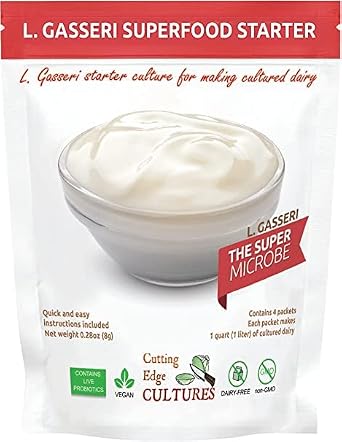
- Cutting Edge Cultures Superfood Yogurt Starter – Contains the BNR17 strain of Lactobacillus gasseri, marketed as the “SUPER MICROBE.” Each packet yields one liter of cultured dairy and includes an 8 oz pouch of prebiotic fiber essential for exponential bacterial growth.
- BioGaia Gastrus Gut Health Probiotic – A dual‑action supplement featuring two patented strains that reinforce the gut microbiome, offering 4.6‑star ratings from over 4,700 reviewers.
Both products have received high consumer ratings (4.6/5) and are readily available, making them suitable for novice and experienced fermenters alike. The Cutting Edge starter excels in producing billions of live cells per batch, while BioGaia provides a convenient capsule format for daily supplementation alongside vegetable ferments.
Equipment and Ingredients
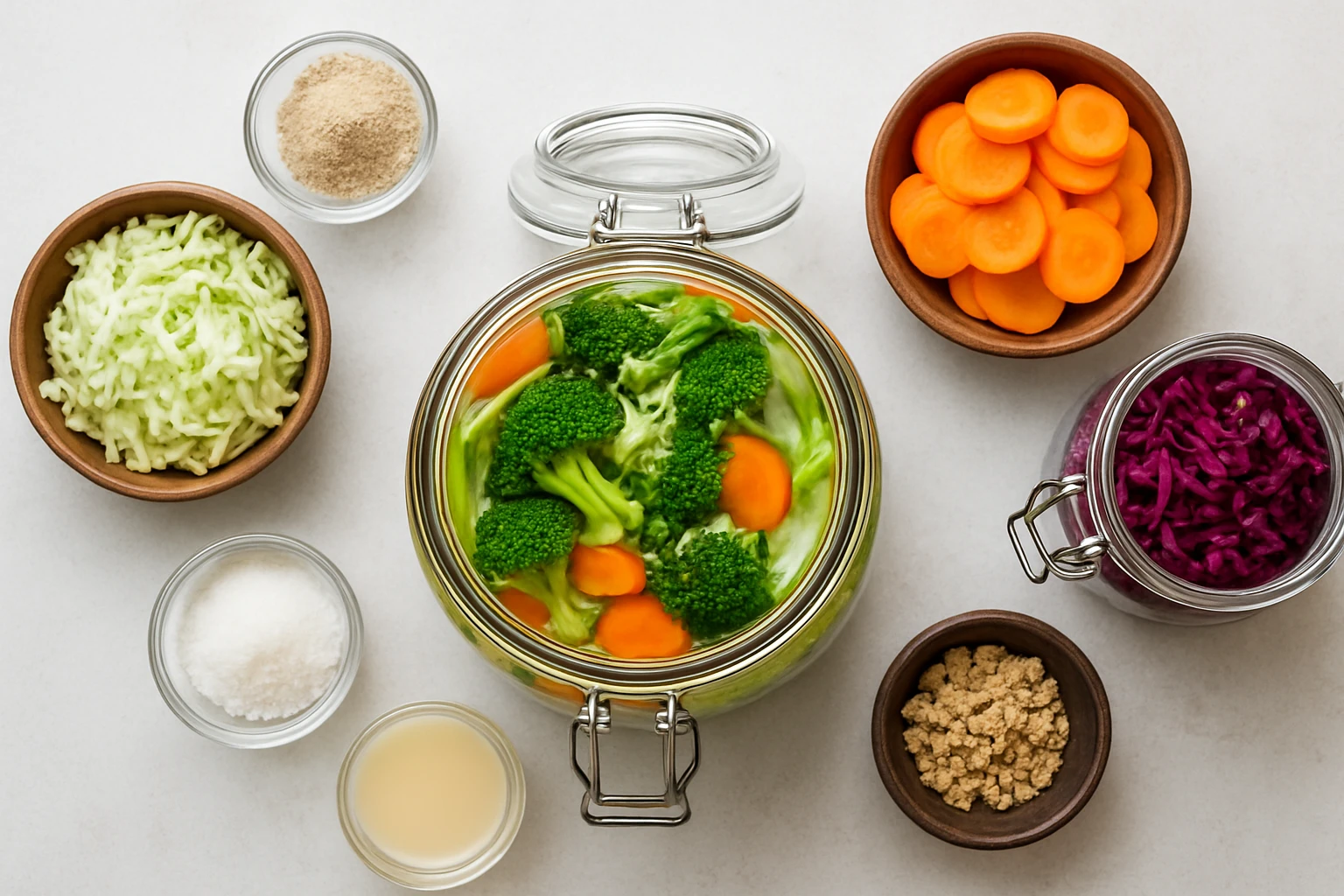
Successful low‑FODMAP fermentation requires a few essential tools: a non‑reactive fermentation vessel (glass jar or food‑grade ceramic crock), an airlock or weight to keep vegetables submerged, and a reliable thermometer. In addition, the following ingredients are recommended:
- Low‑FODMAP vegetables such as carrots, zucchini, bell peppers, and cucumbers.
- Filtered water free of chlorine, which can inhibit bacterial activity.
- Sea salt (2 % by weight) to create a brine that draws out moisture and suppresses undesirable microbes.
- Prebiotic fiber (inulin or the included Prebio Plus) to feed the starter culture without adding fermentable sugars.
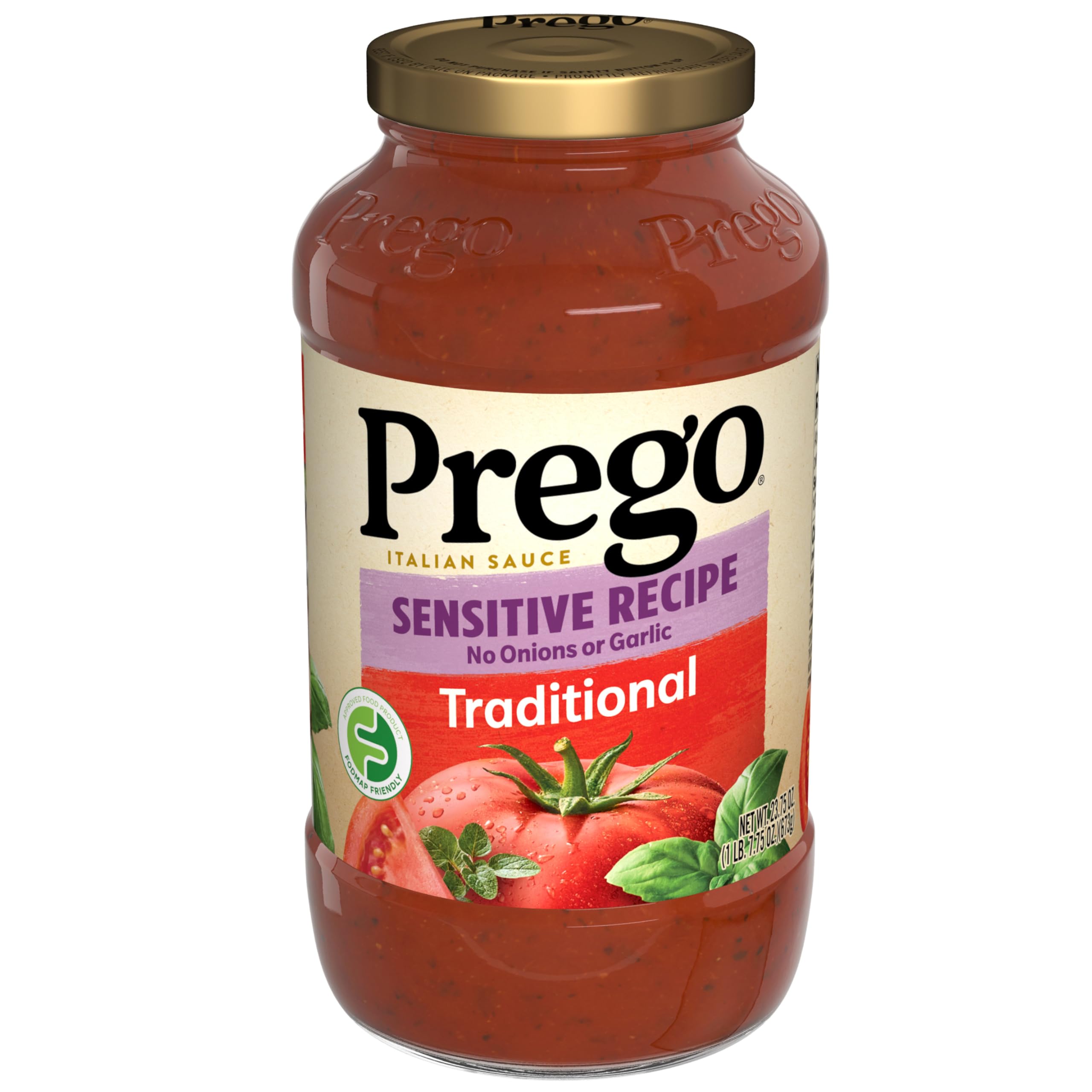
For those who prefer a ready‑made sauce base, Prego Low FODMAP Pasta Sauce offers a flavorful, garlic‑free option that can be blended into vegetable ferments for added depth.
Step‑by‑Step Fermentation Process
Step 1: Prepare the Vegetables – Wash all produce thoroughly, trim ends, and cut into uniform sticks or shreds. Uniform size ensures even salt penetration and consistent texture throughout the batch.
Step 2: Salt the Vegetables – Toss the cut vegetables with 2 % sea salt by weight. Let them rest for 30 minutes; the salt will draw water to the surface, forming a natural brine.
Step 3: Add Prebiotic Fiber – Sprinkle the Prebio Plus fiber (included with the Cutting Edge starter) at a rate of 1 % of the vegetable weight. This fiber acts as a food source for Lactobacillus gasseri, enhancing bacterial proliferation without raising FODMAP levels.
Step 4: Introduce the Starter Culture – Dissolve one packet of the Cutting Edge Cultures Superfood Yogurt Starter in a small amount of the brine, then mix it thoroughly into the vegetable jar. If using BioGaia Gastrus, crush two capsules and disperse them similarly.
Step 5: Pack and Submerge – Transfer the salted, fiber‑enhanced vegetables into a clean glass jar, pressing them firmly to eliminate air pockets. Add any remaining brine until the vegetables are fully submerged; place a fermentation weight or a clean stone on top to keep them below the surface.
Step 6: Ferment at Controlled Temperature – Seal the jar with an airlock or loosely fitted lid. Store the vessel at 20‑22 °C (68‑72 °F) for 24‑48 hours. The Cutting Edge starter recommends a 36‑hour low‑temperature fermentation, which maximizes L. gasseri growth while preserving crispness.
Step 7: Monitor and Taste – After 24 hours, open the jar briefly to release gases and taste a small sample. The flavor should be tangy, slightly sour, and free of off‑notes. If the texture is still firm, continue fermenting for another 12‑24 hours, checking daily.
Step 8: Refrigerate and Enjoy – Once the desired sourness is achieved, transfer the jar to the refrigerator. Cold storage slows bacterial activity, extending shelf life for up to four weeks while maintaining probiotic viability.
Comparison and Selection Guide
| Feature | Cutting Edge Cultures Superfood Yogurt Starter | BioGaia Gastrus Gut Health Probiotic | Yogourmet Yogurt Starter |
|---|---|---|---|
| Primary Strain(s) | Lactobacillus gasseri (BNR17) | Two patented probiotic strains (unspecified) | Mixed Lactobacillus blend |
| Live Bacteria Count per Batch | Hundreds of billions (far higher than standard yogurts) | Capsule‑based, not quantified per ferment | Standard commercial levels |
| Prebiotic Inclusion | Includes 8 oz Prebio Plus fiber | None (capsule only) | None |
| Price (USD) | $57.69 | $23.99 | $17.99 |
| Customer Rating | 4.6/5 (27 reviews) | 4.6/5 (4,721 reviews) | 4.4/5 (1,511 reviews) |
| Best For | High‑potency fermentations requiring prebiotic support | Daily probiotic supplementation alongside ferments | Cost‑effective bulk starter for home yogurt and vegetable ferments |
When the primary goal is to achieve a dense population of L. gasseri in low‑FODMAP vegetables, the Cutting Edge starter is the most suitable choice because it provides both the bacterial strain and the necessary prebiotic fiber. For individuals who prefer a simple capsule to complement their diet, BioGaia offers a highly rated, research‑backed option. Yogourmet presents a budget‑friendly alternative for those who already have a source of prebiotic fiber at home.
Best Practices & Tips
- Maintain a consistent fermentation temperature; fluctuations can favor undesirable microbes.
- Use non‑iodized sea salt; iodine can inhibit bacterial activity.
- Always keep vegetables fully submerged to prevent mold formation.
- Incorporate a small amount of acid (e.g., lemon juice) if the brine appears too mild after the first 24 hours.
- Document each batch (date, temperature, ingredients) to refine techniques over time.
- For extra flavor, blend a spoonful of Prego Low FODMAP Pasta Sauce into the brine after fermentation; the sauce adds umami without increasing FODMAP load.
Frequently Asked Questions
- 1. Can I use regular store‑bought yogurt as a starter for low‑FODMAP vegetables?
- While plain, low‑sugar yogurt contains live cultures, its bacterial count is typically lower than specialized starters, and it may introduce lactose, a potential FODMAP for some individuals.
- 2. How long can fermented low‑FODMAP vegetables be stored?
- When kept refrigerated, they remain safe and probiotic‑rich for 3‑4 weeks; flavor intensifies over time, so taste periodically.
- 3. Do I need to add extra sugar to boost fermentation?
- No. Adding sugar defeats the low‑FODMAP purpose. Instead, rely on prebiotic fiber such as the included Prebio Plus to nourish the bacteria.
- 4. Is it safe to consume fermented vegetables if I have a compromised immune system?
- Individuals with severe immunocompromise should consult a healthcare professional before consuming any raw or fermented foods.
- 5. Can I combine multiple starter cultures in one batch?
- Mixing cultures is possible, but it may lead to competition and unpredictable results; it is advisable to test small batches first.
- 6. What is the ideal salt concentration for low‑FODMAP ferments?
- A 2 % salt solution (20 g salt per kilogram of vegetables) balances preservation with palatability.
- 7. Does refrigeration stop the probiotic activity?
- Cold temperatures dramatically slow bacterial metabolism but do not kill the cultures, allowing the ferment to retain its probiotic benefits.
Conclusion
Fermenting low‑FODMAP vegetables offers a scientifically grounded pathway to enrich the diet with live probiotics while avoiding gastrointestinal triggers. By selecting a high‑potency starter such as Cutting Edge Cultures Superfood Yogurt Starter, incorporating prebiotic fiber, and adhering to controlled temperature and salt parameters, one can produce consistent, delicious ferments. The complementary products highlighted throughout this guide provide flexibility for various budgets and preferences, ensuring that every reader can embark on a gut‑friendly fermentation journey.
Products Featured in This Guide
Cutting Edge Cultures Superfood Yogurt Starter
Price: $57.69 | Rating: 4.6/5 (27 reviews)
Featured for its BNR17 Lactobacillus gasseri strain and included prebiotic fiber, which together generate billions of live bacteria essential for low‑FODMAP vegetable fermentation.
BioGaia Gastrus Gut Health Probiotic
Price: $23.99 | Rating: 4.6/5 (4,721 reviews)
Included for its dual‑action, clinically validated strains that support overall gut balance and complement vegetable ferments.
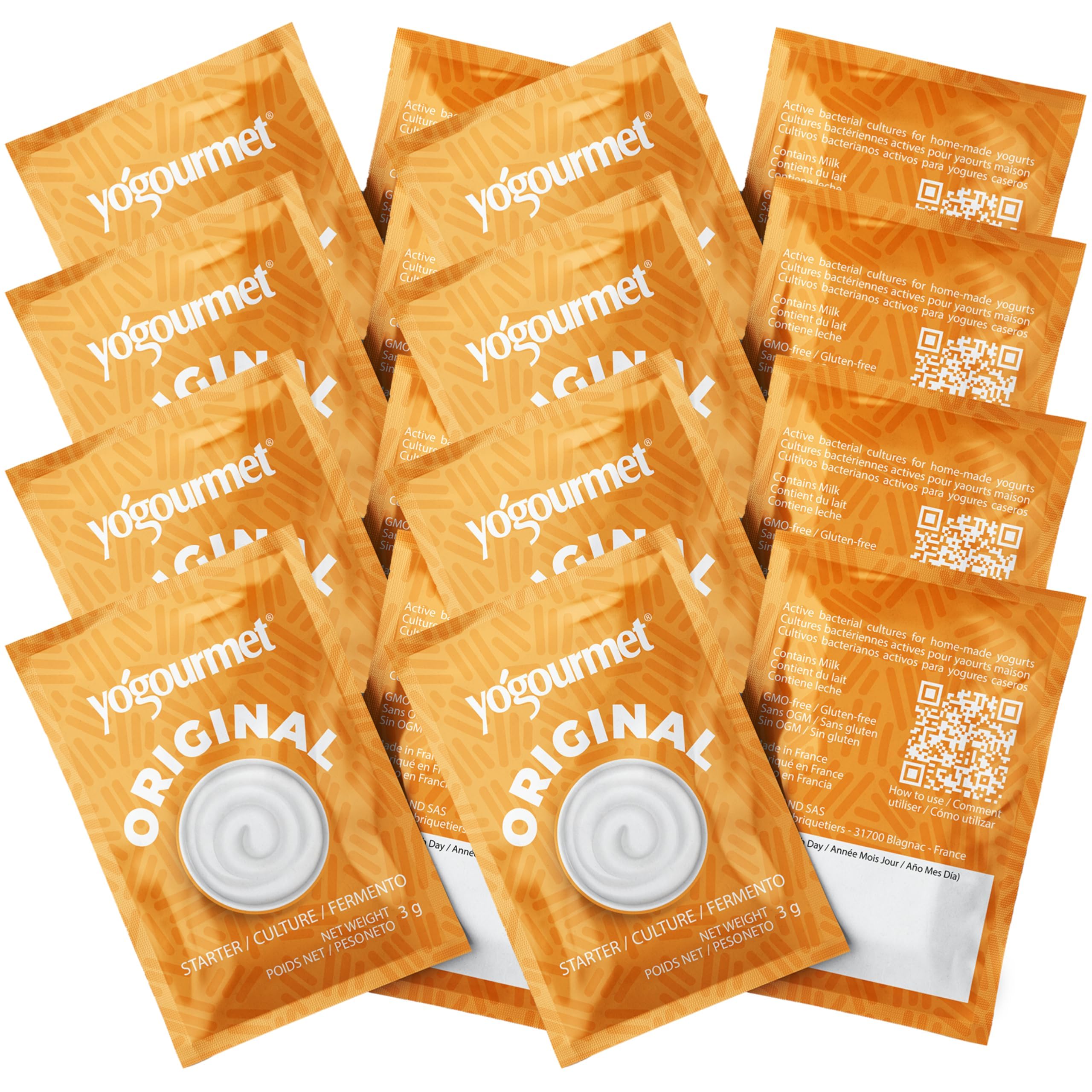
Yogourmet Yogurt Starter
Price: $17.99 | Rating: 4.4/5 (1,511 reviews)
Featured as an economical bulk starter that provides a reliable Lactobacillus blend for home fermenters on a budget.
Prego Low FODMAP Pasta Sauce
Price: $2.48 | Rating: 4.4/5 (1,376 reviews)
Featured for its garlic‑free, vegan formulation that can be incorporated into fermented vegetable recipes to add depth without increasing FODMAP content.