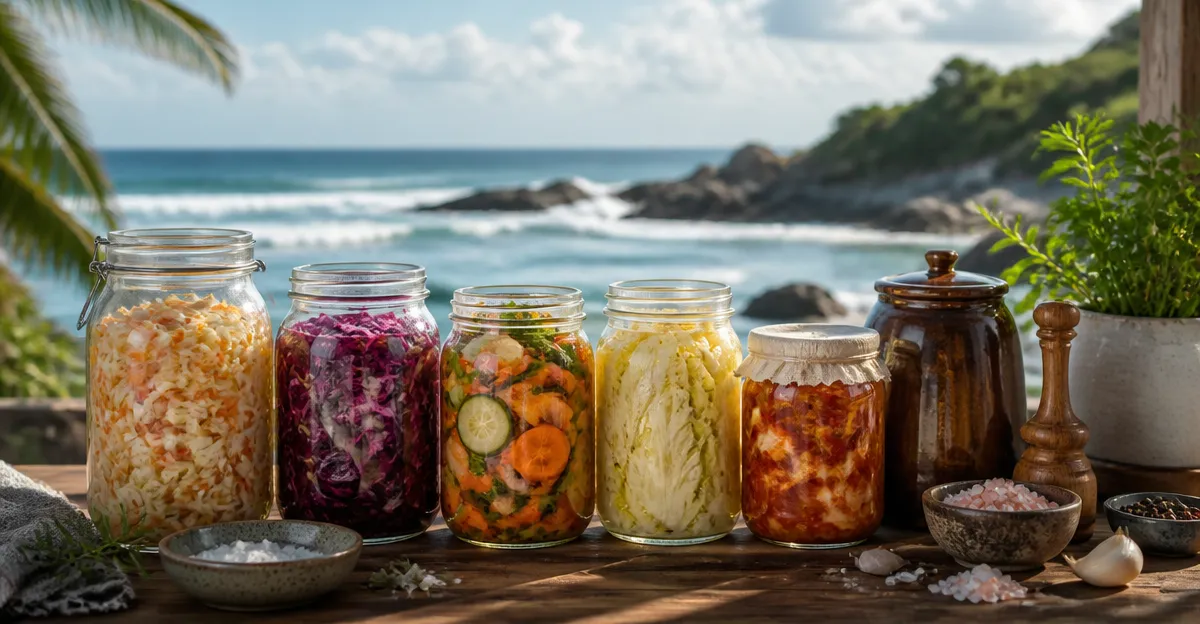
Coastal Fermentation Guide: How Salt Spray & Humidity Impact Ferments
Introduction
Living near the ocean offers a unique culinary advantage: the natural presence of salt spray and elevated humidity. This guide explores how these coastal conditions influence the science of fermentation, and it equips readers with the knowledge to produce safe, flavorful ferments year‑round. By the end of the article, one will understand the microbiological mechanisms at play, be able to select equipment that mitigates environmental challenges, and possess practical tips for consistent results regardless of tide or season.
The guide also highlights five highly rated fermentation kits that perform well in salty, humid environments. Each product is linked to its Amazon listing, and the specific features that make it suitable for coastal kitchens are explained.
Background and Context
Fermentation relies on the activity of lactic‑acid bacteria, yeasts, and occasionally acetic‑acid bacteria. These microorganisms thrive in anaerobic conditions, low oxygen, and a stable temperature range of 18‑22 °C (64‑72 °F). Coastal climates often exceed these parameters, presenting two primary variables: increased ambient humidity and intermittent salt aerosol from sea breezes.
Higher humidity can raise the moisture content of the surrounding air, which in turn accelerates the formation of condensation inside storage containers. Condensation may dilute brine, alter salt concentration, and create pockets of oxygen that encourage mold growth. Salt spray, on the other hand, introduces additional sodium chloride onto the exterior of jars, potentially corroding metal lids or compromising silicone gaskets if those components are not designed for marine exposure.
Understanding these factors allows a fermenter to adapt techniques—such as selecting airtight, corrosion‑resistant lids, or employing weighted glass weights that keep produce fully submerged—to maintain a robust anaerobic environment.
Key Concepts for Coastal Fermentation
1. Controlling Brine Concentration
Salt is the primary preservative in vegetable ferments. In a coastal kitchen, ambient salt from sea spray can unintentionally increase the overall salinity of a batch if the jar is left uncovered for extended periods. To prevent over‑salting, one should measure brine precisely, using a scale or a calibrated spoon, and monitor any condensation that forms on the jar walls.
Using jars with clear glass allows visual inspection of brine levels. The JILLMO Fermentation Jar Kit provides 1.5 L thick, lead‑free glass containers that display the brine clearly, making it easy to add or remove liquid as needed.
2. Maintaining an Anaerobic Environment
Airlocks and weighted lids are essential for preventing oxygen ingress. In humid conditions, the seal of a metal lid can deteriorate, allowing micro‑oxygen pockets that foster undesirable molds. Plastic fermentation lids, such as those found in the IceFun Mason Jar Fermentation Kit, eliminate rust concerns while preserving the integrity of silicone grommets.
Glass fermentation weights keep vegetables submerged, a crucial step because floating produce is exposed to air and may spoil. All five kits reviewed include glass or ceramic weights designed for this purpose.
3. Temperature Stability
Coastal homes can experience rapid temperature swings due to sea breezes. Insulated storage areas, such as a pantry with a thick door or a dedicated fermentation cabinet, help maintain a consistent temperature. Some fermenters prefer larger jars, like the 1‑gallon Qianfenie Fermentation Jar, because the greater mass of glass buffers temperature fluctuations better than smaller containers.
4. Material Compatibility with Salt
Metal components exposed to salt spray may corrode, compromising the seal. Selecting kits that rely on food‑grade plastic lids, silicone gaskets, or stainless‑steel hardware reduces this risk. The Masontops Fermentation Kit uses plastic airlock lids and stainless‑steel clamps, providing a corrosion‑resistant solution for salty environments.
Product Recommendations for Coastal Fermenters
The following products have been chosen for their durability, airtight sealing mechanisms, and positive user feedback, all of which are critical when dealing with salt spray and high humidity.
- JILLMO Fermentation Jar Kit – Two 1.5 L wide‑mouth glass jars with silicone‑sealed airlocks, ideal for small‑batch sauerkraut or kimchi. The thick lead‑free glass resists cracking from temperature changes, and the included weights keep vegetables fully submerged.
- IceFun Mason Jar Fermentation Kit – Four 32‑oz mason jars with plastic fermentation lids that eliminate rust. Dual‑channel airlocks provide reliable gas release while preventing oxygen entry.
- Masontops Fermentation Kit – A comprehensive 9‑piece set that converts standard mason jars into fermenters. Includes a wooden tamper for packing dense cabbage, which is useful when humidity makes brine levels fluctuate.
- Qianfenie Fermentation Jar – Two 1‑gallon glass carboys with threaded, airtight lids and three airlocks. The large capacity is perfect for batch brewing of kombucha or mead, where temperature stability is essential.
- Folinstall Fermentation Jar – Square‑shaped 1.5‑gallon jars with built‑in airlock valves and measurement markings. The unique shape maximizes shelf space in cramped coastal kitchens.
Comparison and Selection Guide
| Feature | JILLMO Kit | IceFun Kit | Masontops Kit | Qianfenie Jar | Folinstall Jar |
|---|---|---|---|---|---|
| Capacity per unit | 1.5 L (2 pcs) | 32 oz (4 pcs) | Standard mason (4 pcs) | 1 gal (2 pcs) | 1.5 gal (2 pcs) |
| Seal type | Silicone grommet & airlock | Plastic lid with silicone grommet | Plastic airlock lid & stainless clamp | Threaded metal lid with silicone gasket | Silicone plug & vent valve |
| Weight material | Glass | Glass | Glass | Glass | Glass |
| Humidity resilience | Dishwasher‑safe glass, metal clamp | Rust‑free plastic lids | Plastic lids, stainless hardware | Thick glass, airtight metal lid | Silicone‑sealed valve, BPA‑free glass |
| Price (USD) | 34.99 | 39.99 | 54.95 | 32.99 | 35.99 |
| Average rating | 4.5/5 (1,812 reviews) | 4.6/5 (149 reviews) | 4.8/5 (4,772 reviews) | 4.7/5 (1,049 reviews) | 4.7/5 (494 reviews) |
When selecting a kit, coastal fermenters should prioritize corrosion‑resistant lids and robust glass that can withstand occasional temperature swings. For small‑batch vegetable ferments, the JILLMO or IceFun kits provide an excellent balance of price and performance. For larger batches of kombucha, mead, or cider, the Qianfenie 1‑gallon jars deliver superior thermal mass.
Best Practices & Tips for Coastal Fermentation
- Pre‑condition lids and gaskets. Rinse silicone grommets in warm water and allow them to air‑dry before first use. This removes any residual manufacturing oils that could weaken the seal when exposed to salty air.
- Store jars in a low‑condensation area. Choose a cabinet or pantry with a dehumidifier if possible. If condensation forms, gently wipe the interior glass with a clean cloth before resealing.
- Adjust brine salinity. Begin with the standard 2 %‑3 % salt solution (20‑30 g salt per litre of water). Test the brine after 24 hours; if it appears diluted, add a measured pinch of sea salt to restore the target concentration.
- Use glass weights consistently. Even a small amount of floating vegetable can become a site for mold growth. The glass weights supplied with each kit are non‑porous and will not absorb flavors.
- Monitor airlock activity. In high humidity, airlocks may bubble more vigorously due to temperature fluctuations. Record the frequency of bubbles; a sudden increase may indicate a leak.
- Rotate jars during peak humidity. If a storm brings intense salt spray, temporarily move fermenting jars to a cooler, drier interior space for 24‑48 hours.
- Label each batch. The IceFun kit includes 20 date‑and‑note tags; labeling helps track how long each ferment has been exposed to coastal conditions.
Frequently Asked Questions
Can I ferment outdoors on a balcony near the ocean?
Yes, but you must protect the jars from direct salt spray. Use a wind‑screen or place the jars inside a covered box. Ensure the lids remain airtight; plastic lids are less prone to corrosion than metal clamps.
Does humidity affect the flavor of fermented vegetables?
Excess humidity can dilute brine, leading to a milder sourness and potentially encouraging surface mold. Maintaining proper salt concentration and using weights to keep produce submerged preserves the intended tangy profile.
Are plastic fermentation lids safe for long‑term storage?
Food‑grade BPA‑free plastic lids, such as those in the IceFun kit, are safe for both fermentation and subsequent storage. They resist rust and do not react with salt, making them ideal for coastal use.
What temperature range is optimal for coastal fermentation?
The ideal range remains 18‑22 °C (64‑72 °F). If indoor temperatures exceed this range due to warm sea breezes, consider a temperature‑controlled fermentation cabinet or a simple insulated cooler.
How often should I “burp” jars with airlocks?
Airlocks automatically release carbon dioxide, so manual burping is rarely necessary. However, if you notice excessive pressure buildup (e.g., the lid bulges), briefly open the airlock to release gas.
Can I reuse the silicone grommets after several batches?
Yes, silicone grommets are durable and can be reused indefinitely if they are cleaned after each use and inspected for cracks. Replace them only if they become brittle.
Conclusion
Coastal environments present distinct challenges for fermenters, but with an understanding of how salt spray and humidity interact with brine, temperature, and equipment, one can produce safe, flavorful ferments year‑round. Selecting corrosion‑resistant, airtight jars—such as the JILLMO, IceFun, Masontops, Qianfenie, or Folinstall kits—provides a solid foundation. By applying the best‑practice tips outlined above, coastal home chefs can enjoy probiotic‑rich vegetables, kombucha, and even small‑batch mead without the worry of mold or over‑salting.
Products Featured in This Guide
JILLMO Fermentation Jar Kit
Price: $34.99 | Rating: 4.5/5 (1,812 reviews)
Featured for its thick lead‑free glass, airtight silicone‑seal airlocks, and included glass weights that keep produce submerged—essential features for humid coastal kitchens.
IceFun Mason Jar Fermentation Kit
Price: $39.99 | Rating: 4.6/5 (149 reviews)
Chosen for its rust‑free plastic lids and dual‑channel airlocks, which resist corrosion from sea‑borne salt while providing reliable gas release.
Masontops Fermentation Kit
Price: $54.95 | Rating: 4.8/5 (4,772 reviews)
Offers a complete 9‑piece system with plastic airlock lids, stainless clamps, and a wooden tamper—ideal for diverse fermentations in salty air.
Qianfenie Fermentation Jar
Price: $32.99 | Rating: 4.7/5 (1,049 reviews)
Provides 1‑gallon capacity with threaded airtight lids and three airlocks, delivering thermal stability for batch brewing in fluctuating coastal temperatures.
Folinstall Fermentation Jar
Price: $35.99 | Rating: 4.7/5 (494 reviews)
Features a square design with built‑in airlock valve and measurement markings, maximizing space efficiency for small coastal kitchens.