The Complete Guide to Sustainable Packaging for Fermented Foods Sellers: Eco‑Friendly, Food‑Safe Solutions to Preserve Freshness and Grow Your Brand
Introduction
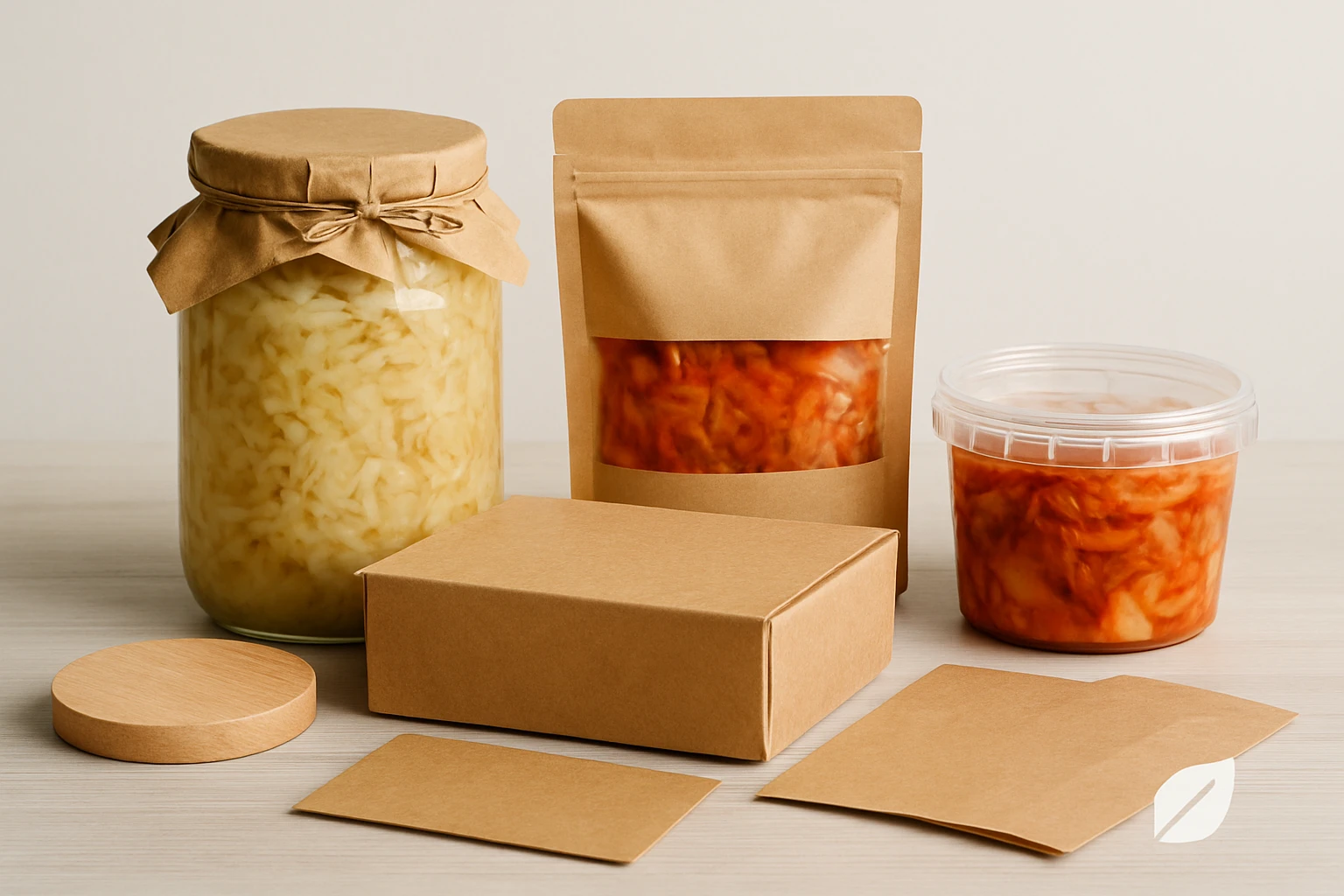
Fermented foods such as kimchi, sauerkraut, kombucha, and pickles have surged in popularity, and sellers must protect their delicate flavors while demonstrating environmental responsibility. This guide explains the essential concepts of sustainable packaging, outlines the regulatory considerations for food safety, and presents actionable strategies for small and medium‑size businesses. Readers will learn how to select materials that preserve freshness, reduce carbon footprints, and reinforce brand values. By the end of this article, sellers will possess a clear roadmap for implementing eco‑friendly packaging without compromising product integrity.
Background and Context
Fermentation relies on live cultures that continue to develop after packaging, making oxygen barrier, moisture control, and temperature stability critical factors. Traditional plastic containers often impede compostability and can release micro‑plastics, which increasingly concern environmentally aware consumers. Moreover, many jurisdictions now require clear labeling of recyclable or compostable packaging for food products. Understanding the lifecycle of packaging materials—from raw material extraction to end‑of‑life disposal—enables sellers to make informed choices that align with both regulatory demands and consumer expectations.
Key Sustainable Packaging Concepts
Three core concepts dominate sustainable packaging for fermented foods: material biodegradability, structural integrity, and food safety compliance. Biodegradability refers to the ability of a material to break down into natural elements under composting conditions, thereby reducing landfill waste. Structural integrity ensures that the package can withstand handling, stacking, and temperature fluctuations without leaking or rupturing. Food safety compliance mandates that all packaging components be free of harmful chemicals, BPA‑free, and approved for contact with acidic or alcoholic foods common in fermentation.
Material Options for Fermented Food Sellers
Several material families meet the criteria of biodegradability, strength, and food safety. Plant‑based polymers such as polybutylene adipate terephthalate (PBAT) combined with modified corn starch create compostable mailers that reduce carbon emissions by up to 60 percent compared with conventional polyethylene. Recycled paper honeycomb sheets provide cushioning without plastic, while thickened kraft paper bowls offer a sturdy, microwave‑safe vessel for direct‑to‑consumer sales. Each option serves a distinct purpose within the packaging workflow, from primary containment to secondary protection.
Recommended Products and Their Role
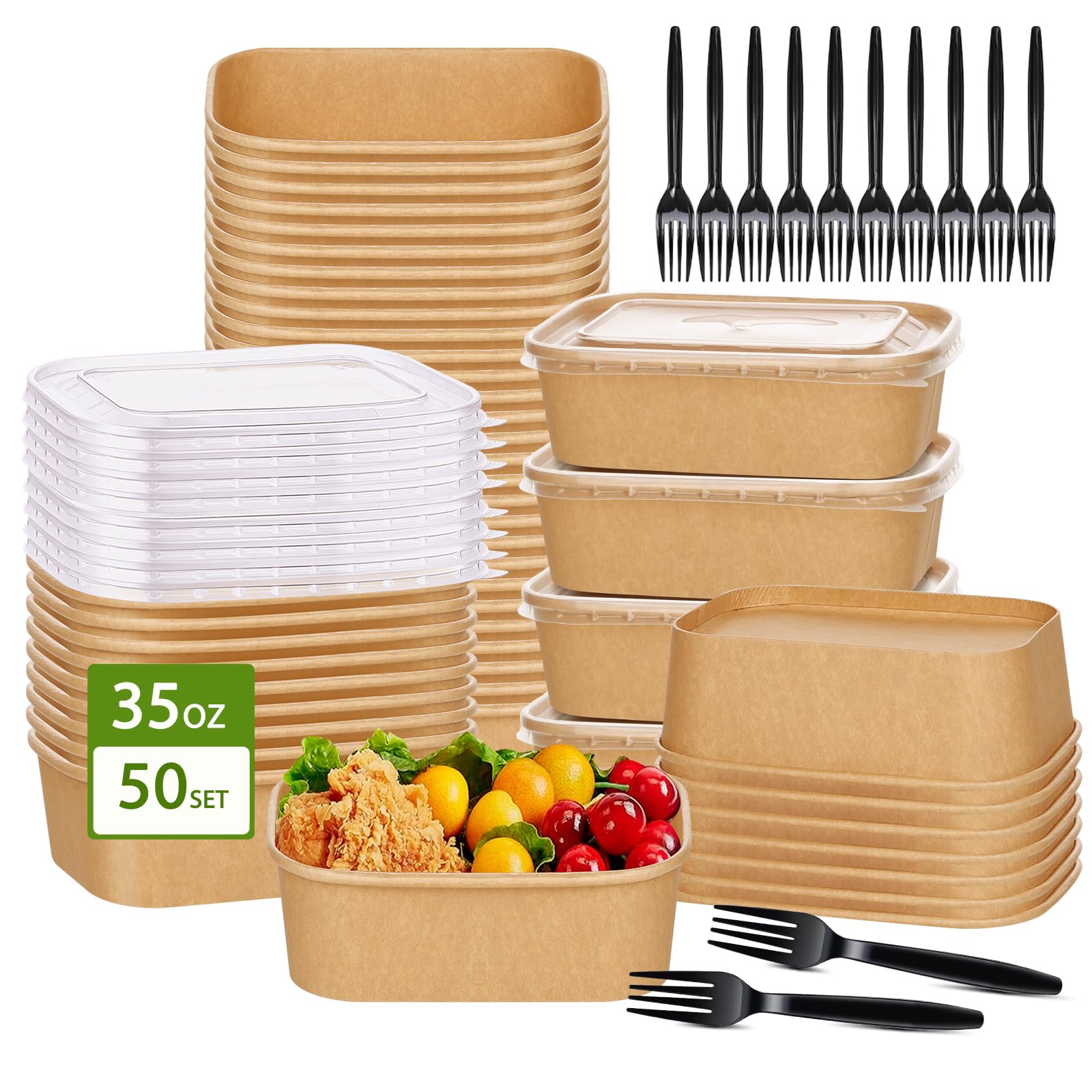
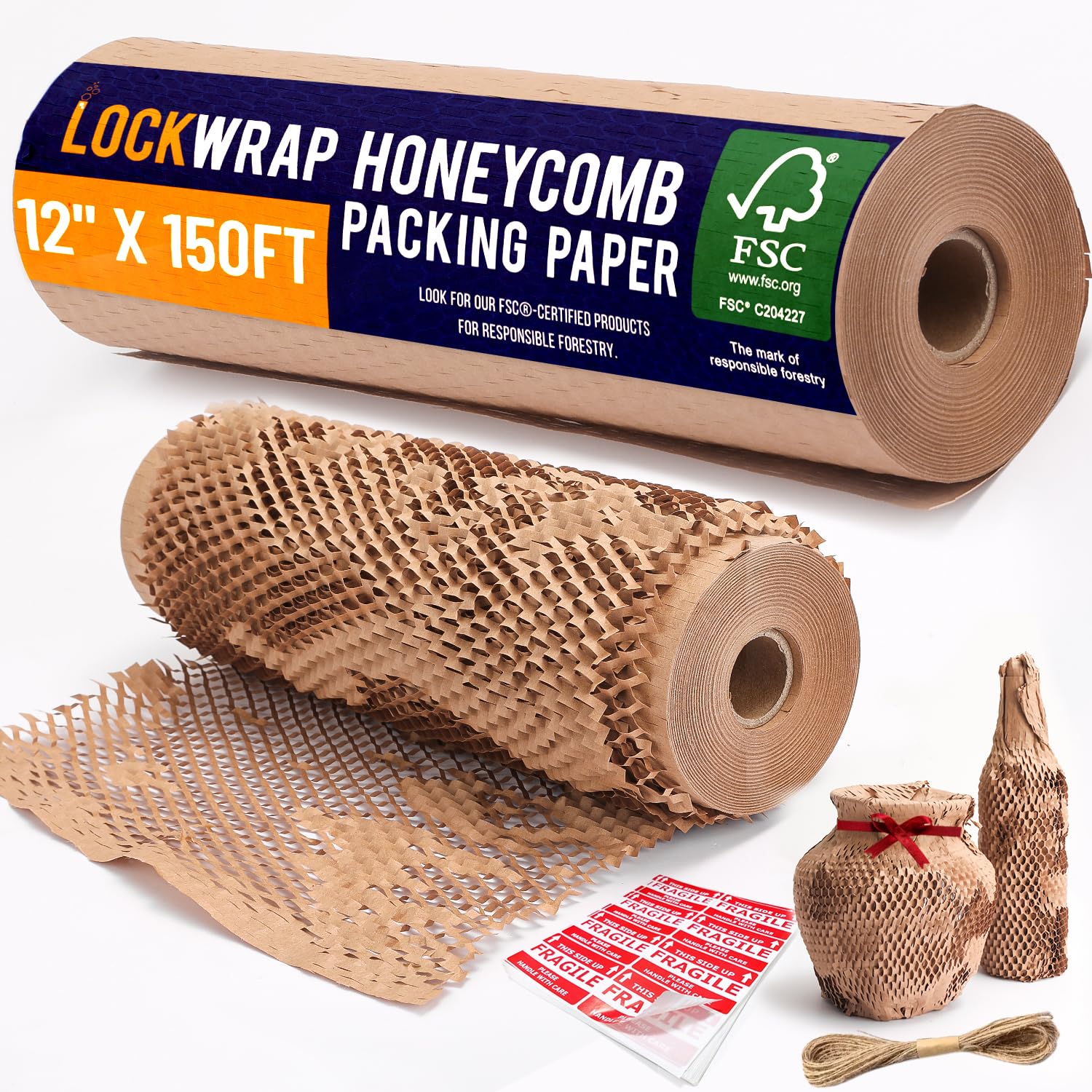
For sellers seeking a reliable, compostable solution for shipping non‑fragile items, the KTOB Compostable Mailers provide a 6x9‑inch poly mailer made from PBAT and corn starch. Rated 4.5 stars by 708 reviewers, these mailers feature a tamper‑evident seal, moisture resistance, and water‑based ink, ensuring that the product arrives intact and the brand image remains environmentally conscious. When additional cushioning is required, especially for glass bottles of kombucha, the Lockwrap Honeycomb Packing Paper offers a 12‑inch by 150‑foot roll of recyclable honeycomb sheets, complete with jute rope and fragile stickers. With a 4.6‑star rating from 1,835 reviews, this paper replaces traditional bubble wrap while providing excellent shock absorption. Finally, for direct‑to‑consumer sales of ready‑to‑eat fermented salads or soups, the DI QIU REN Kraft Bowls deliver 35‑oz kraft paper bowls, lids, and forks, rated 4.5 stars by 330 reviewers. These bowls are water‑ and oil‑proof, microwave‑safe, and designed to prevent leakage for up to 72 hours, making them ideal for take‑out or meal‑prep services.
Comparison and Selection Guide
| Feature | KTOB Compostable Mailers | Lockwrap Honeycomb Packing Paper | DI QIU REN Kraft Bowls |
|---|---|---|---|
| Primary Use | Shipping non‑fragile items (clothing, boxed goods) | Cushioning and filler for fragile bottles | Direct food containment for fermented dishes |
| Material | PBAT + modified corn starch (compostable) | 100% recyclable paper honeycomb | Thickened kraft paper (water‑ and oil‑proof) |
| Dimensions | 6" x 9" (2.4 mil thickness) | 12" width, 150 ft length | 35 oz capacity, includes lids and forks |
| Environmental Claims | 60 % CO₂ reduction, BPA‑free, ASTM 6400 certified | FSC‑certified, 100% recyclable | Compostable when disposed with organic waste |
| Price (USD) | $9.99 for 50 pcs | $15.99 per roll | $38.99 for 50 pcs |
| Average Rating | 4.5/5 (708 reviews) | 4.6/5 (1,835 reviews) | 4.5/5 (330 reviews) |
| Key Advantage | Professional image with tamper‑evident seal | Eliminates plastic bubble wrap | Microwave‑safe, leak‑proof for up to 72 hrs |
When selecting a product, sellers should assess the nature of the fermented item, the required shelf life, and the logistical constraints of their distribution network. For example, a kombucha brewery shipping glass bottles will benefit most from honeycomb packing paper combined with compostable mailers, whereas a kimchi vendor offering ready‑to‑eat portions should prioritize kraft bowls with secure lids.
Best Practices & Practical Tips
- Conduct a small‑scale trial run using the chosen packaging to monitor for leaks, odor transfer, and temperature stability.
- Label each package with clear recycling or composting instructions to educate end‑consumers and improve post‑use diversion rates.
- Store packaging materials in a dry, temperature‑controlled environment to preserve their structural properties.
- Combine multiple sustainable layers—such as a compostable mailer exterior and honeycomb interior—to achieve optimal protection while maintaining a low carbon footprint.
- Maintain documentation of material certifications (ASTM 6400, FSC, BPI) to satisfy regulatory audits and to communicate credibility to retailers.
Frequently Asked Questions
- Are compostable mailers safe for acidic fermented foods? Yes, the PBAT‑based mailers are chemically inert and do not react with acidic contents, ensuring that flavor profiles remain unchanged.
- Can honeycomb packing paper be reused? The paper is designed for single‑use applications, but it can be recycled where facilities accept corrugated paper, reducing overall waste.
- Do kraft bowls meet food‑contact regulations? The bowls are BPA‑free, oil‑proof, and comply with FDA guidelines for food‑contact paper, making them suitable for both hot and cold fermented dishes.
- How should I dispose of the compostable mailers? They should be placed in an industrial composting facility that accepts PBAT‑based materials; home composting may not achieve full degradation.
- What temperature range can the kraft bowls withstand? The bowls are microwave‑safe up to 212 °F (100 °C) and freezer‑safe down to –20 °F (–29 °C), providing flexibility for storage and reheating.
- Will the honeycomb paper protect glass bottles from breakage? Yes, the honeycomb structure absorbs shock and distributes impact forces, significantly reducing the risk of breakage during transit.
- Is there a risk of moisture penetrating the mailers? The mailers are moisture‑resistant and feature a water‑based ink coating, preventing water ingress while remaining compostable.
Conclusion
Adopting sustainable, food‑safe packaging empowers fermented food sellers to protect product quality, satisfy regulatory standards, and differentiate their brand in a crowded market. By leveraging compostable mailers, recyclable honeycomb paper, and sturdy kraft bowls, businesses can reduce environmental impact while delivering a premium consumer experience. The comparison guide and best‑practice checklist provide a clear pathway for implementation, ensuring that sellers can scale responsibly and maintain the authentic flavors that make fermented foods beloved worldwide.
Products Featured in This Guide
KTOB Compostable Mailers
Price: $9.99 for 50 pcs | Rating: 4.5/5 (708 reviews)
Featured because the mailers combine 100% biodegradability, tamper‑evident sealing, and water‑based ink, providing an eco‑friendly exterior that enhances brand perception for fermented food sellers.
Lockwrap Honeycomb Packing Paper
Price: $15.99 per roll | Rating: 4.6/5 (1,835 reviews)
Featured because the honeycomb paper offers an FSC‑certified, recyclable cushioning alternative to plastic bubble wrap, protecting fragile fermented beverage bottles while reinforcing sustainability commitments.
DI QIU REN Kraft Bowls
Price: $38.99 for 50 pcs | Rating: 4.5/5 (330 reviews)
Featured because the 35 oz kraft bowls are leak‑proof, microwave‑safe, and compostable, providing a versatile, food‑grade container for ready‑to‑eat fermented meals and enhancing the consumer experience.