How to Make DIY Insulated Jar Wraps for Fermentation: Step-by-Step Guide to Consistent Home Ferments
Introduction
Home fermentation offers a rewarding way to preserve seasonal produce, develop complex flavors, and improve nutritional value. This guide explains how to construct insulated jar wraps that maintain stable temperatures, reduce temperature fluctuations, and protect jars from accidental knocks. Readers will learn the materials required, the precise steps to assemble the wraps, and best‑practice tips that guarantee consistent fermentations. By the end of the article, one will be able to create a reusable system that works for sauerkraut, kimchi, kombucha, and many other fermented foods.
Temperature stability is especially critical during the early stages of lacto‑fermentation, when beneficial bacteria compete with spoilage organisms. Insulation slows heat loss during cool nights and prevents overheating on warm days, thereby reducing the need for frequent temperature monitoring. The methods described below rely on readily available tools, including two Amazon products that complement the process.
What You’ll Need
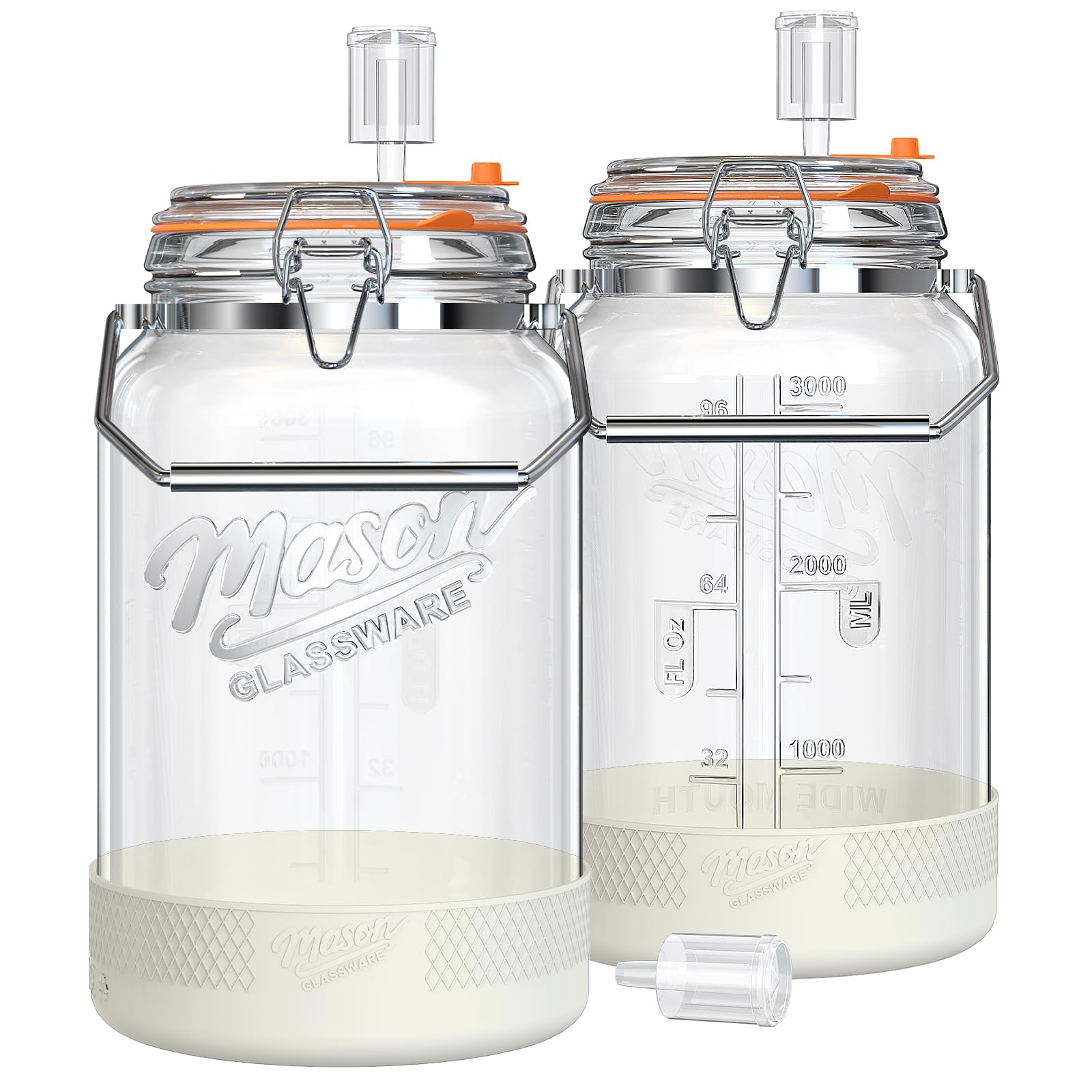
- Two Qianfenie 1 Gallon Fermentation Jars – 1‑gallon glass jars with airtight lids, airlocks, stainless‑steel handles, and silicone bases.
- Two WKieason Mason Jar Sleeves – neoprene sleeves that provide insulation and a non‑slip grip.
- Neoprene fabric or a pre‑cut sheet (4 mm thickness) for additional wrap layers.
- Scissors, a ruler, and a fabric marker.
- Heat‑resistant tape or fabric glue.
- Thermometer (optional, for monitoring temperature).
Step 1: Select the Appropriate Fermentation Jar
Begin by choosing a jar that matches the volume of the intended batch. The Qianfenie 1 Gallon Fermentation Jars provide a generous capacity, allowing a gardener to ferment an entire harvest of cabbage or a large batch of kombucha without needing multiple containers. Each jar features a wide mouth, measurement markings, and a one‑way airlock that automatically releases carbon dioxide while keeping oxygen out. The airtight silicone gasket ensures a leak‑proof seal, which is essential for preventing contamination.
These jars are constructed from thick, high‑clarity, BPA‑free glass that resists breakage and does not interact with acidic fermenting liquids. The stainless‑steel handles give a secure grip, even when the jar is full, and the non‑slip silicone base protects countertops from sliding. At a price of $45.99 for a 2‑pack, the set offers excellent value, reflected by its 4.8‑star rating from 31 reviewers.
Using a high‑quality jar reduces the risk of breakage during handling and eliminates the need for additional sealing equipment. The built‑in measurement marks also eliminate guesswork when adding ingredients, which contributes to consistent fermentation outcomes.
Step 2: Prepare the Insulating Sleeve
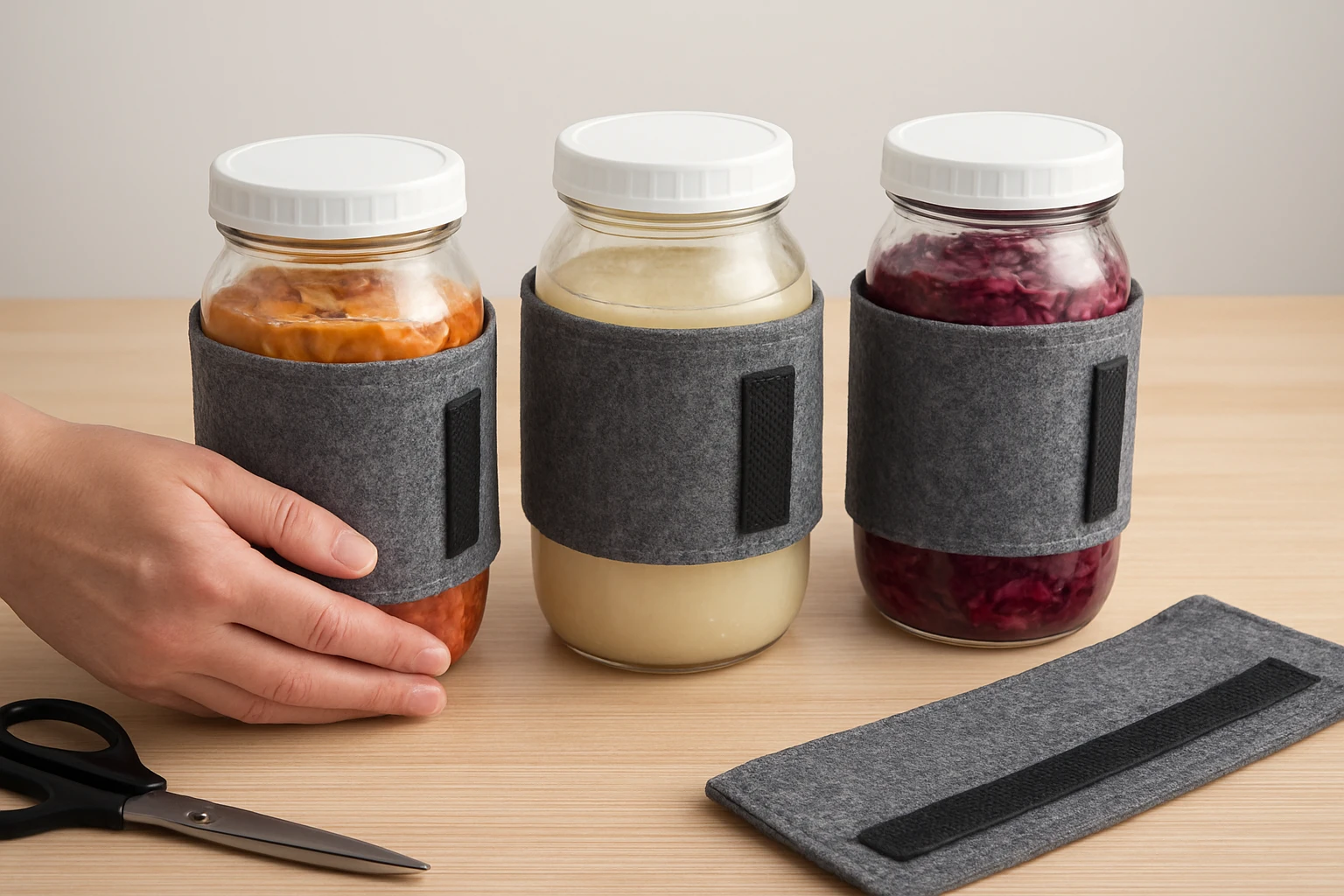
The next component is the insulating sleeve. The WKieason Mason Jar Sleeves are made from 4 mm thick neoprene, a material known for its excellent thermal retention and water‑resistant properties. Each sleeve fits snugly over a 16‑oz to 24‑oz wide‑mouth mason jar; however, the same dimensions can be adapted to the 1‑gallon Qianfenie jars by cutting the neoprene to the appropriate height.
Neoprene’s non‑slip texture protects hands from cold surfaces and prevents the jar from sliding on kitchen counters. The sleeves are available in three vivid colors—black, yellow, and blue—allowing users to color‑code different fermentations (for example, blue for vegetables and yellow for beverages). Priced at $12.50 per sleeve and boasting a 4.6‑star rating from 437 reviews, the product offers both functional and aesthetic benefits.
To adapt the sleeve, measure the height of the jar from the base to the lid, add a centimeter for overlap, and cut the neoprene accordingly. Use a fabric marker to trace the dimensions before cutting to ensure precision.
Step 3: Assemble the Insulated Wrap
With the jar and sleeve prepared, assemble the insulated wrap by layering the neoprene sleeve around the jar and securing it with heat‑resistant tape. Begin by sliding the sleeve onto the jar, ensuring that the opening aligns with the jar’s lip. If the sleeve is slightly loose, wrap a thin strip of neoprene around the middle of the sleeve and secure it with tape; this creates a tighter fit and improves insulation.
For additional thermal mass, wrap a second layer of neoprene or a thin blanket of fleece around the sleeve. Secure this outer layer with fabric glue or additional tape, taking care not to cover the airlock mechanism. The combined layers should add approximately 1‑2 °C of temperature buffering, which is sufficient for most home fermentations.
Finally, place the jar in a location with consistent ambient temperature, such as a pantry or a dedicated fermentation cabinet. The insulated wrap will mitigate temperature spikes caused by opening the cabinet door or seasonal temperature changes.
Step 4: Initiate the Fermentation Process
Prepare the fermenting ingredients according to the recipe of choice—whether it is shredded cabbage for sauerkraut, sliced cucumbers for pickles, or tea for kombucha. Pack the ingredients tightly into the Qianfenie 1 Gallon Fermentation Jars, leaving the recommended headspace indicated by the measurement markings.
Attach the automatic airlock provided with the jar. The airlock’s one‑way valve releases carbon dioxide while preventing oxygen ingress, which reduces the need for daily pressure checks. Seal the lid firmly, ensuring that the silicone gasket is fully seated to maintain an airtight environment.
Place the insulated wrap assembled in Step 3 over the jar, making sure the airlock remains unobstructed. Monitor the temperature for the first 24 hours using a thermometer if desired; the insulated system should keep the temperature within a 2‑degree range of the ambient environment.
Step 5: Monitor and Adjust as Needed
Fermentation typically progresses over several days to weeks, depending on the food type and ambient temperature. The insulated wrap reduces the need for frequent adjustments, but occasional checks are advisable. Observe the airlock for bubbling activity; steady bubbles indicate active fermentation, while a lack of bubbles may suggest that the temperature is too low.
If the temperature falls below the optimal range (usually 18‑22 °C for lacto‑fermentation), consider moving the jar to a warmer spot or adding a small heat pack beneath the insulated wrap. Conversely, if the environment becomes too warm, relocate the jar to a cooler area or add a thin layer of ice‑pack wrapped in cloth to the exterior of the neoprene.
When the desired level of fermentation is achieved—determined by taste, texture, and aroma—remove the airlock, replace it with the sealing plug included with the Qianfenie jar, and store the jar in the refrigerator. The same insulated wrap can be reused for subsequent batches, providing a cost‑effective solution for long‑term fermentation projects.
Tips & Pro Tips
- Label each jar with the date, contents, and expected finish date; color‑coded WKieason sleeves make visual identification easier.
- Use the measurement markings on the Qianfenie jars to track liquid loss or expansion, which helps maintain consistent salt concentrations.
- For large‑scale fermentations, consider stacking insulated jars inside a wooden crate to further stabilize temperature.
- Clean the neoprene sleeves after each use with mild soap and warm water; avoid harsh chemicals that could degrade the material.
- If the airlock becomes clogged with debris, rinse it with a mixture of water and white vinegar before resealing.
Troubleshooting
Problem: Excessive bubbling and foul odor.
Solution: The temperature may be too high, encouraging unwanted bacteria. Relocate the jar to a cooler area and add an additional neoprene layer to improve insulation.
Problem: Lid does not seal properly, leading to mold growth.
Solution: Inspect the silicone gasket for cracks or debris. Clean the gasket and lid thoroughly, then reseat the lid ensuring even pressure.
Problem: Sleeve slides off during handling.
Solution: Apply a thin strip of heat‑resistant tape around the middle of the sleeve to create a tighter grip, or use a second neoprene layer to increase friction.
Conclusion
Creating insulated jar wraps for fermentation combines simple materials with thoughtful design to produce reliable, consistent results. By employing the robust Qianfenie 1 Gallon Fermentation Jars and the thermally efficient WKieason Mason Jar Sleeves, one can reduce temperature fluctuations, protect jars from accidental drops, and streamline the fermentation workflow. The steps outlined in this guide empower home fermenters to produce high‑quality sauerkraut, kimchi, kombucha, and more, while reusing the insulated system for future batches.
Implement the described method, experiment with different foods, and enjoy the rewarding flavors that result from controlled, consistent fermentation.
Products Mentioned in This Guide
Frequently Asked Questions
What materials are required to make a DIY insulated jar wrap for fermentation?
You need a reusable jar, insulating fabric or foam, a heat‑reflective liner (like Mylar), elastic straps, and basic sewing tools.
How do insulated jar wraps improve fermentation consistency?
They slow heat loss and prevent rapid temperature swings, keeping the fermenting environment stable for beneficial bacteria.
Can the insulated wraps be used for different types of ferments such as sauerkraut, kimchi, and kombucha?
Yes, the wraps are versatile and fit most standard‑size fermentation jars, making them suitable for a variety of fermented foods.
How often should I monitor the temperature inside an insulated jar wrap?
Check the temperature once daily; the insulation reduces fluctuation, so frequent monitoring isn’t necessary.
Are the DIY insulated jar wraps reusable and easy to clean?
They are designed for repeated use—simply wipe the fabric and liner with a damp cloth or wash according to the material’s care instructions.
