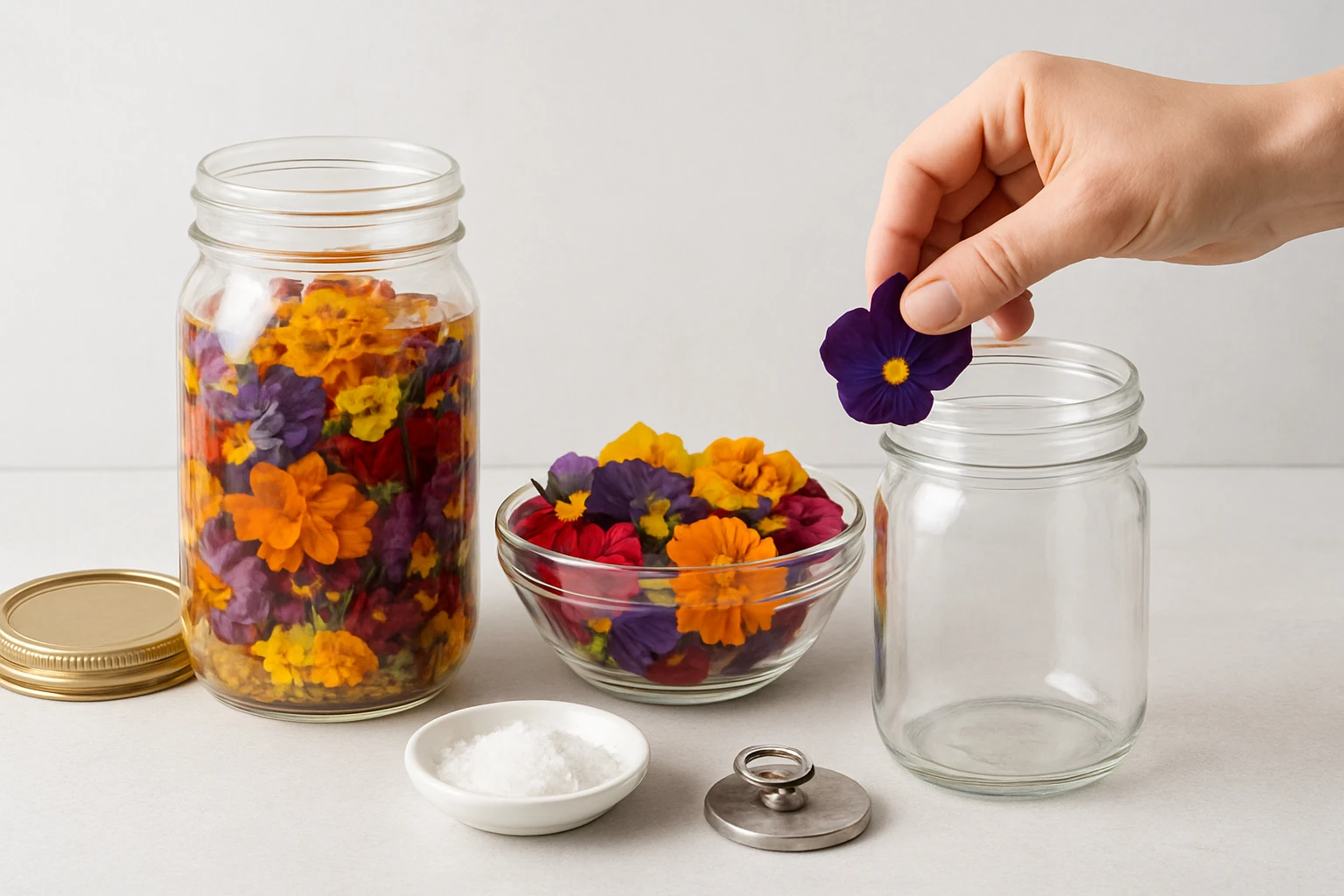

How to Ferment with Edible Flowers Safely: Step-by-Step Guide & Essential Safety Tips
Introduction
Fermenting edible flowers adds vibrant color and delicate flavor to culinary creations while preserving nutritional benefits. This guide explains the complete process from flower selection to final storage, emphasizing safety and quality at each stage. Readers will learn how to avoid common hazards such as unwanted microbes, bitterness, and allergic reactions. By following the structured steps, one can produce fermented flower condiments that enhance salads, beverages, and desserts.
What You’ll Need
- Fresh edible flowers (e.g., nasturtium, violet, calendula) harvested from a pesticide‑free garden.
- Non‑iodized sea salt for brine creation.
- Filtered water free of chlorine and heavy metals.
- Clean cutting board and knife for trimming stems.
- Measuring cups and a kitchen scale for precise ratios.
- Glolaurge Fermentation Jar Set for airtight fermentation.
- Optional spices such as ginger, garlic, or peppercorns for flavor complexity.
Step 1: Select and Verify Edible Flowers
Choose flowers that are confirmed edible and have been grown without synthetic chemicals. One should inspect each blossom for signs of disease, insect damage, or wilting, discarding any compromised specimens. Rinse the flowers gently in cool filtered water to remove dust and pollen that could cloud the brine. Pat them dry with a clean cloth to reduce excess moisture that might dilute the salt concentration.
Step 2: Prepare the Vegetables and Aromatics
If the recipe calls for additional vegetables such as cucumber or carrot, slice them into uniform sticks to promote even fermentation. Combine the vegetables with the cleaned flowers in a large bowl, then sprinkle the measured sea salt over the mixture. The salt draws water from the plant tissues, creating a natural brine and inhibiting undesirable bacteria. Massage the mixture for two to three minutes until the vegetables begin to soften and release their own juices.
Step 3: Set Up the Fermentation Vessel
The Glolaurge Fermentation Jar Set provides a wide‑mouth, 64‑ounce glass container that accommodates generous batches of flowers and vegetables. Its airtight lid with silicone seal, stainless‑steel clamp, and three‑piece airlock prevents oxygen ingress while allowing carbon dioxide to escape automatically. The hands‑free gas release eliminates the need for daily “burping,” reducing the risk of contamination. Because the jar is made from lead‑free glass, it does not react with acidic brines, preserving flavor integrity.
Step 4: Add Brine and Seal the Jar
Prepare a brine by dissolving one tablespoon of sea salt in one cup of filtered water; adjust the volume to fully submerge the flower mixture. Pour the brine over the contents in the jar, ensuring that all solids are covered by at least one inch of liquid. Use a fermentation weight or a clean stone to keep the flowers beneath the surface, preventing mold formation. Attach the lid and engage the airlock, then tighten the stainless‑steel clamp for a secure seal.
Step 5: Ferment at Controlled Temperature
Place the sealed jar in a cool, dark area where the temperature remains between 60°F and 70°F (15°C‑21°C). This range encourages lactic‑acid bacteria to dominate, producing the tangy flavor characteristic of safe fermentations. Allow the mixture to ferment for three to seven days, checking the airlock daily for steady gas release. If the brine becomes cloudy or an off‑odor develops, one should discard the batch to avoid health risks.
Step 6: Taste, Adjust, and Finish
After the initial fermentation period, open the jar briefly to taste the flowers. The desired level of acidity should be bright but not overpowering; if the flavor is too mild, continue fermenting for an additional day or two. Adjust seasoning at this stage by adding a pinch of salt or a splash of vinegar if needed. Once the preferred taste is achieved, replace the airlock with a regular lid and transfer the jar to the refrigerator to halt further fermentation.
Step 7: Store and Use the Fermented Flowers
Refrigerated fermented flowers keep well for up to three months, maintaining their crisp texture and probiotic benefits. They can be incorporated into vinaigrettes, cocktail garnishes, or as a topping for cheese plates. Because the fermentation process reduces the risk of pathogenic microbes, the product remains safe for consumption as long as it is stored at or below 40°F (4°C). Always use clean utensils when removing portions to prevent cross‑contamination.
Tips & Pro Tips
- Use only flowers that are positively identified as edible; many ornamental varieties are toxic.
- Maintain a salt concentration of 2 % by weight for optimal lactic‑acid bacterial activity.
- Cover the jar with a clean cloth during the first 24 hours if the airlock is not yet attached, allowing excess gases to escape safely.
- For enhanced aroma, add a small piece of fresh ginger or a few crushed garlic cloves to the brine.
- Document the fermentation start date and temperature to replicate successful batches.
Troubleshooting
| Problem | Possible Cause | Solution |
|---|---|---|
| White film on surface | Yeast or harmless mold | Remove film with a sterile spoon; ensure flowers remain submerged. |
| Foul odor | Contamination by unwanted bacteria | Discard batch; sterilize equipment before next attempt. |
| Insufficient gas release | Airlock blockage | Clean airlock components with warm water; re‑assemble securely. |
Conclusion
Fermenting edible flowers safely requires careful selection, proper brine formulation, and reliable airtight storage. By following the step‑by‑step process outlined above, one can create flavorful, probiotic‑rich condiments that enhance a wide range of dishes. The use of a high‑quality vessel such as the Glolaurge Fermentation Jar Set simplifies the process and reduces the likelihood of spoilage. One is encouraged to experiment with different flower varieties and spices, always prioritizing safety and hygiene.
Products Mentioned in This Guide
Glolaurge Fermentation Jar Set
Price: Not listed
Rating: Not listed
Features: 64 oz glass jars, wide 3.3‑inch mouth, airtight silicone seal, stainless‑steel clamp, three‑piece airlock, dishwasher‑safe components.
Frequently Asked Questions
Which edible flowers are safe to ferment?
Common safe choices include nasturtium, violet, calendula, rose petals, and borage, provided they are pesticide‑free and properly identified.
What salt-to-water ratio should I use for the brine?
Use 2‑3% non‑iodized sea salt by weight (about 20‑30 g salt per liter of filtered water) for optimal fermentation.
How long does the fermentation process take?
Ferment the flowers at room temperature for 3‑7 days, tasting daily until they reach the desired tang and texture.
How can I avoid unwanted microbes and bitterness?
Keep everything sanitized, submerge flowers fully in brine, use fresh flowers, and discard any that turn slimy or develop off‑flavors.
What is the best way to store fermented edible flowers?
Transfer the finished ferment to a sealed jar and refrigerate; it will stay safe and flavorful for 1‑2 months.