
Introduction
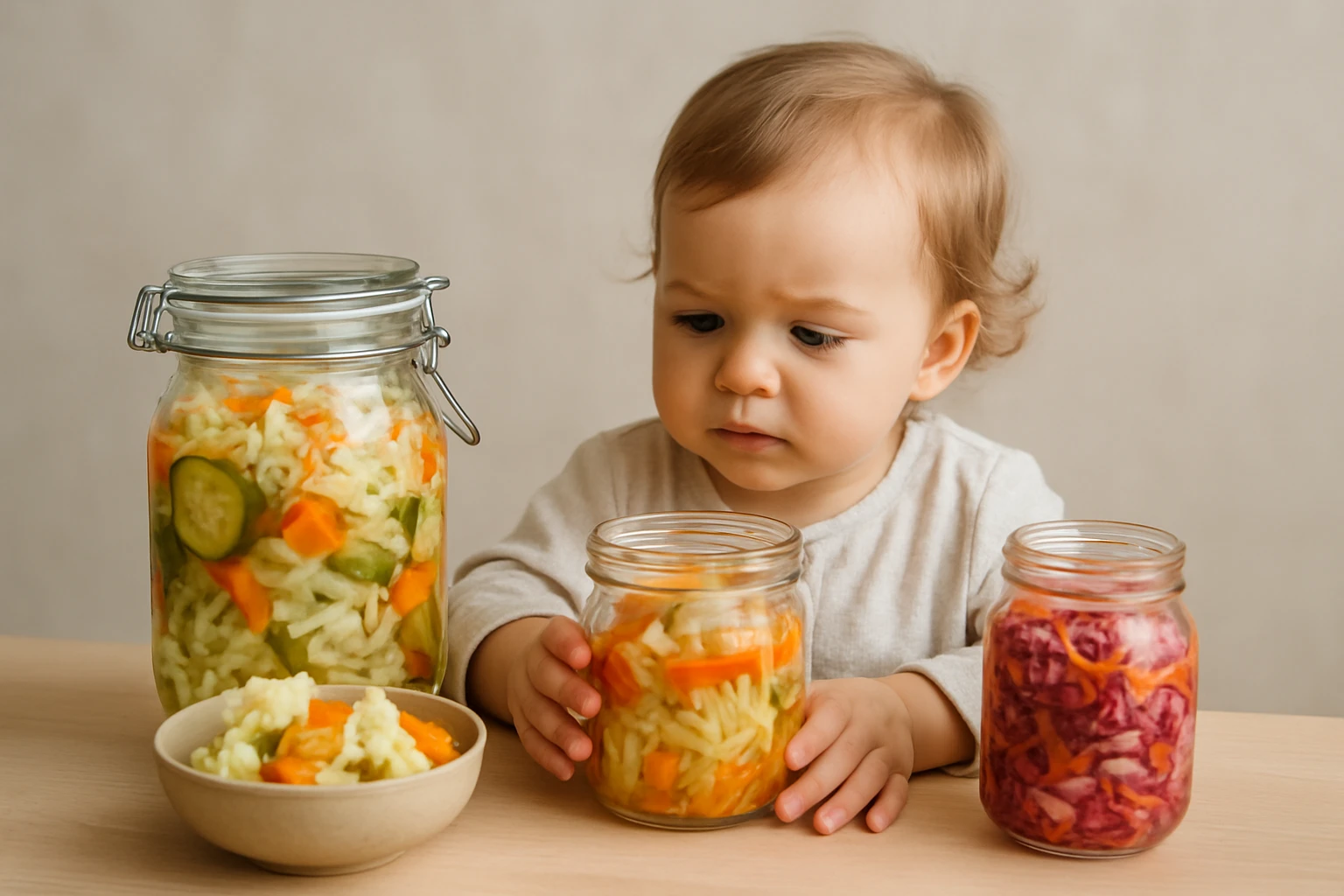
This guide examines the safety and nutritional value of fermented vegetables for toddlers. Readers will discover scientific evidence supporting probiotic benefits, potential risks, and practical strategies for gradual introduction. The article also highlights a high‑quality fermented sauerkraut product that aligns with toddler nutrition goals. By the end of the guide, caregivers will possess confidence to incorporate gut‑friendly foods into a balanced early‑childhood diet.
Background and Context
Fermentation is an ancient preservation method that relies on beneficial microorganisms to transform sugars into acids, gases, and vitamins. The process creates live cultures, commonly referred to as probiotics, which can influence the gastrointestinal microbiome. In early childhood, the microbiome plays a crucial role in immune development, digestion, and even mood regulation. Understanding these mechanisms provides a foundation for evaluating whether fermented vegetables are appropriate for toddlers.
Key Considerations for Introducing Fermented Vegetables
When evaluating fermented foods for young children, three primary factors must be assessed: microbial safety, sodium content, and individual tolerance. Commercially produced fermented vegetables that are third‑party tested for colony‑forming units (CFUs) typically meet safety standards, reducing the risk of pathogenic contamination. Sodium levels are modest in naturally fermented products, yet caregivers should monitor total daily intake to remain within pediatric recommendations. Finally, gradual exposure allows the child's digestive system to adapt, minimizing the likelihood of bloating or mild gastrointestinal upset.
Probiotic Benefits
- Supports a diverse gut microbiome, which is linked to stronger immune responses.
- Enhances digestion of complex carbohydrates and fibers found in vegetables.
- May reduce the frequency of minor colic episodes and improve stool regularity.
Sodium Management
Natural brine fermentation typically uses 2%–3% salt by weight, resulting in a product that contains approximately 300 mg of sodium per quarter‑cup serving. For toddlers, the American Academy of Pediatrics recommends limiting sodium to less than 1,200 mg per day. Therefore, a serving size of ¼ cup of fermented sauerkraut fits comfortably within daily limits when balanced with low‑sodium meals.
Allergy and Sensitivity Screening
Before offering any fermented vegetable, caregivers should conduct a brief observation period. Begin with a teaspoon of plain, unflavored sauerkraut and watch for signs of rash, excessive gas, or changes in behavior. If adverse reactions occur, discontinue use and consult a pediatrician.
Product Recommendation: Olive My Pickle Sauerkraut Variety Pack
Among the many options available, Olive My Pickle Sauerkraut Variety Pack stands out for its rigorous quality controls and diverse flavor profile. This 96‑ounce, six‑pack bundle delivers four distinct varieties—Carrot & Dill, Red Ginger, Caraway, and Turmeric—each naturally fermented without vinegar, sugar, or artificial dyes. The product provides 14 billion CFUs per serving, verified by third‑party laboratory testing, ensuring a reliable probiotic dose for young children.
Key attributes include:
- Non‑GMO, kosher certified, and 100 % plant‑based ingredients.
- Compatible with Whole30, Paleo, Keto, vegan, and gluten‑free dietary protocols.
- Manufactured by a family‑owned business operating since 2010 in Jacksonville, Florida.
With a price of $69.99 and a rating of 4.6 out of 5 stars from 28 verified reviews, the variety pack offers both value and credibility. Caregivers can select a milder flavor such as Carrot & Dill for initial trials, then progress to bolder options like Red Ginger as tolerance improves.
Comparison and Selection Guide
When choosing a fermented vegetable product for toddlers, consider the following criteria:
- Live Culture Count: Aim for at least 5 billion CFUs per serving to achieve meaningful probiotic effects.
- Ingredient Transparency: Products should list all ingredients and avoid hidden sugars or preservatives.
- Third‑Party Testing: Independent lab verification confirms the presence of beneficial bacteria and the absence of contaminants.
- Flavor Variety: Multiple flavors allow caregivers to identify the most acceptable taste for a particular child.
- Price per Serving: Evaluate cost relative to the amount of product needed for regular toddler consumption.
Based on these benchmarks, the Olive My Pickle Sauerkraut Variety Pack excels in live culture density, ingredient simplicity, and third‑party testing. While other brands may offer lower price points, they often lack comprehensive lab verification or provide limited flavor options.
Best Practices & Tips for Safe Introduction
To maximize benefits and minimize risks, caregivers should follow a structured approach:
- Start Small: Offer a teaspoon of finely chopped sauerkraut mixed into a familiar dish such as mashed sweet potato.
- Observe for 48 Hours: Monitor the child for any signs of discomfort, rash, or changes in stool consistency.
- Gradually Increase: If tolerated, increase the portion to ¼ cup over a two‑week period, incorporating the sauerkraut into salads, sandwiches, or rice bowls.
- Pair with Prebiotic Foods: Combine fermented vegetables with fiber‑rich foods like bananas or oats to nourish the probiotic bacteria.
- Maintain Consistency: Regular daily intake supports stable colonization of beneficial microbes.
It is advisable to store the sauerkraut in the refrigerator after opening to preserve live cultures and prevent spoilage. Always use clean utensils to avoid cross‑contamination.
Frequently Asked Questions
- 1. At what age can toddlers safely consume fermented vegetables?
- Most pediatric nutritionists recommend introducing small amounts after the child reaches twelve months, provided there are no known allergies.
- 2. How much fermented sauerkraut is appropriate for a toddler?
- A serving of ¼ cup per day is generally acceptable, but initial trials should start with a teaspoon and increase gradually.
- 3. Will the natural salt in sauerkraut affect a toddler’s blood pressure?
- When consumed within recommended serving sizes, the sodium contribution is modest and does not pose a risk to healthy toddlers.
- 4. Can fermented vegetables replace other probiotic sources such as yogurt?
- Fermented vegetables provide a complementary probiotic profile; they should not replace dairy‑based probiotics if the child tolerates them.
- 5. Are there any contraindications for children with chronic gastrointestinal conditions?
- Children with severe inflammatory bowel disease should only consume fermented foods under medical supervision, as excessive fermentation may exacerbate symptoms.
- 6. How long does the probiotic benefit last after a serving?
- Live cultures can colonize the gut for several days; consistent daily intake yields the most sustained effect.
- 7. Is it necessary to rinse sauerkraut before serving to toddlers?
- Rinsing reduces surface salt but also removes some beneficial bacteria; it is preferable to serve the product as packaged.
Conclusion
Fermented vegetables, when selected carefully and introduced gradually, can be a safe and nutritious addition to a toddler’s diet. The probiotic content supports gut health, while the natural flavors encourage acceptance of diverse vegetables. By adhering to best practices—starting with small portions, monitoring tolerance, and choosing a reputable product such as the Olive My Pickle Sauerkraut Variety Pack—caregivers can harness the benefits of fermentation without compromising safety.
Products Featured in This Guide
Olive My Pickle Sauerkraut Variety Pack
Price: $69.99
Rating: 4.6/5.0 (28 reviews)
Why it is featured: This product offers a high probiotic count, diverse flavor options, and third‑party lab verification, making it ideal for safely introducing fermented vegetables to toddlers.