Introduction
One will discover how to construct a systematic sensory evaluation template that captures appearance, aroma, texture, and flavor of fermented vegetables. The guide explains why a structured approach improves consistency, supports product development, and enhances communication among culinary teams. Readers will gain practical worksheets, printable checklists, and recommendations for tools that streamline the process. By the end, one can evaluate sauerkraut, kimchi, or pickles with the confidence of a trained sensory analyst.
What You'll Need
- Freshly fermented vegetable samples (homemade or store‑bought)
- Wide‑mouth mason jars for storage
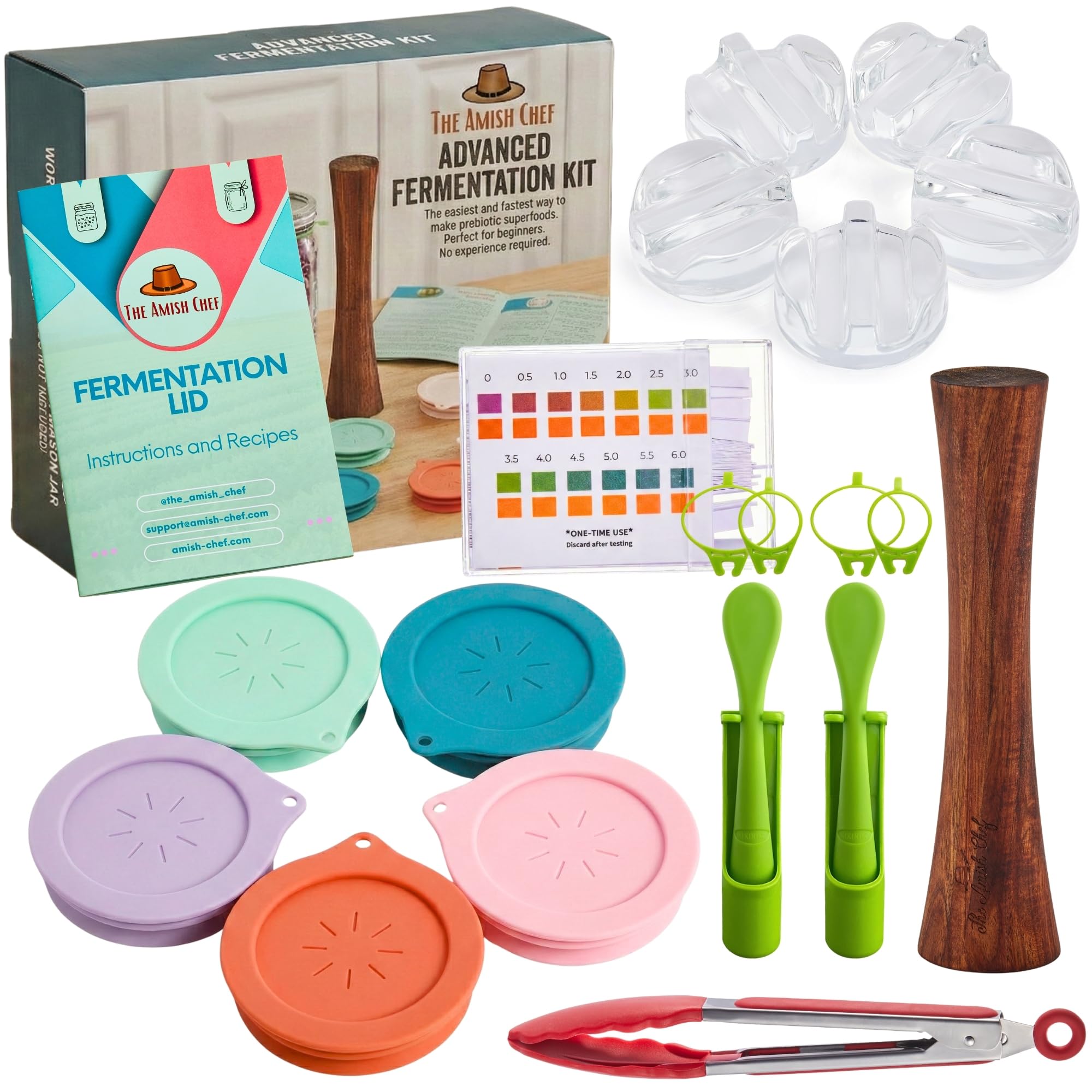
- Patented fermentation lids, glass weights, and a pickle pounder – Amish Chef Fermentation Kit
- pH test strips for acidity verification
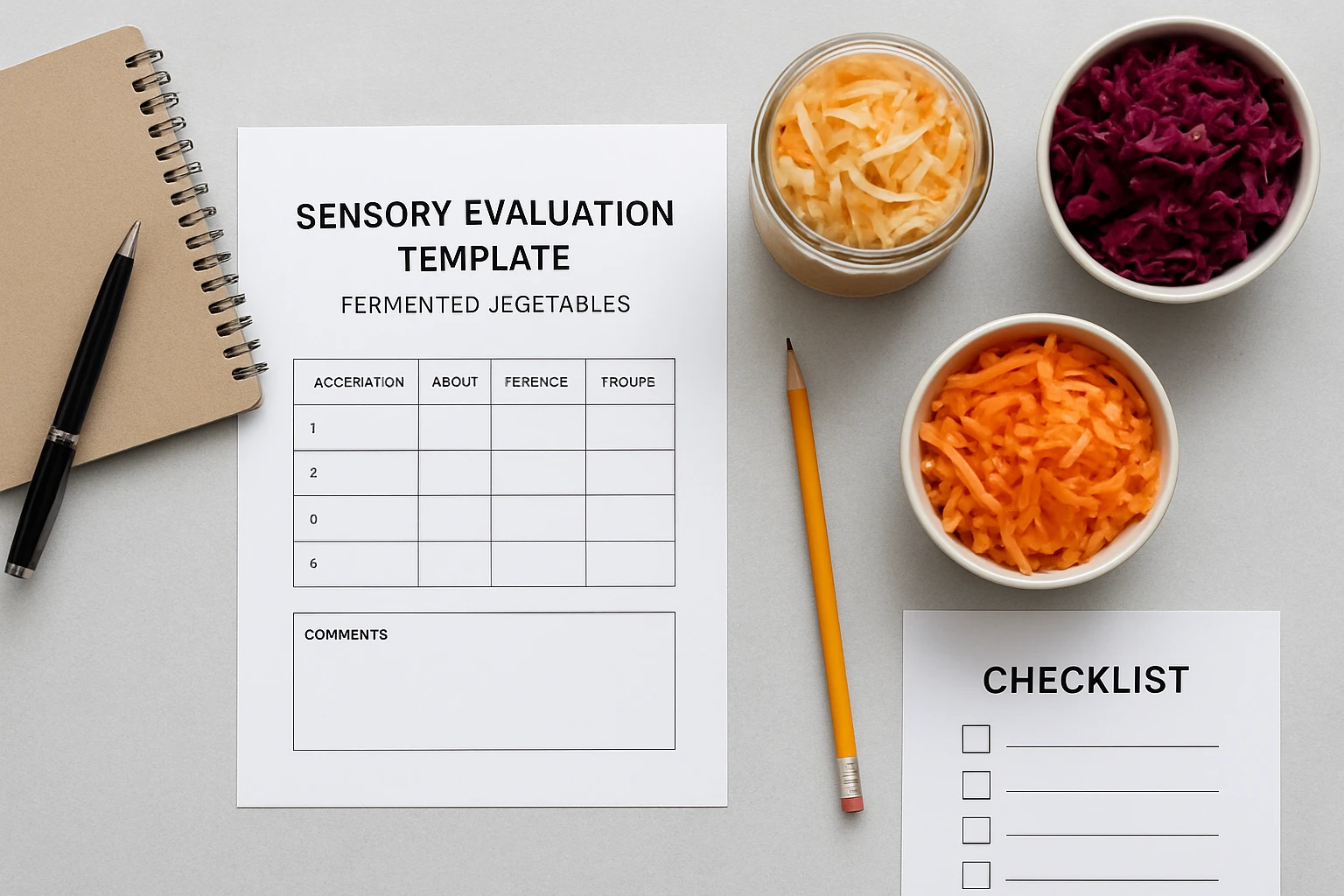
- Standardized scoring sheets (downloadable PDF)
- Quiet, well‑lit evaluation space with neutral décor
- Writing utensils and a digital camera for visual records
Step 1: Define Evaluation Criteria
One should begin by outlining the sensory attributes that matter most for fermented vegetables. Typical categories include visual appeal, aroma intensity, texture firmness, crunchiness, and flavor balance of sour, salty, and umami notes. Create a rubric that assigns a numeric scale (for example, 1 to 9) to each attribute, with clear descriptors for low, medium, and high scores. Document the rubric in a template that can be printed and distributed to all panelists.
Step 2: Produce Consistent Samples
Consistent samples are the foundation of reliable data; therefore, one must control the fermentation process. Using the Amish Chef Fermentation Kit ensures that each batch is produced with identical conditions. The kit includes premium fermentation lids that fit wide‑mouth mason jars perfectly, preventing leaks and pressure buildup, which could otherwise alter texture and flavor. Glass weights keep vegetables fully submerged, while the pickle pounder packs produce a uniform brine coverage, both of which contribute to reproducible acidity levels measured with the included pH test strips.
Step 3: Prepare the Sensory Environment
One must set up a neutral environment that minimizes external influences on perception. Choose a room with natural daylight or consistent artificial lighting, and remove strong odors such as coffee or perfume. Arrange evaluation stations so that each panelist receives the same amount of sample (approximately 30 g) in identical containers. Provide distilled water and unsalted crackers as palate cleansers between samples to avoid carry‑over effects.
Step 4: Conduct the Sensory Evaluation
During the session, each panelist follows the rubric and records observations on the printable checklist. Begin with visual assessment, noting color uniformity and any surface bloom. Proceed to aroma, encouraging the panelist to inhale gently and describe intensity using the provided scale. Texture is evaluated by biting a standardized piece, focusing on crunch and mouthfeel. Finally, assess flavor, noting the balance of sourness, saltiness, and any secondary notes such as garlic or ginger. The Amish Chef Fermentation Kit aids this step by delivering samples with consistent brine concentration, reducing variability caused by under‑ or over‑fermentation.
Step 5: Record, Analyze, and Report Results
After the tasting, collect all checklists and enter the scores into a spreadsheet. Calculate average scores for each attribute and identify outliers that may indicate sample inconsistency. Visualize the data with radar charts to compare multiple batches at a glance. Include photographs of each sample taken during Step 3 to provide a visual reference alongside the sensory data. Summarize findings in a concise report that highlights strengths, weaknesses, and actionable recommendations for recipe refinement.
Tips & Pro Tips
- Allow fermented samples to equilibrate to room temperature before evaluation; cold temperatures can mute aroma and flavor.
- Use a timer to standardize the duration of each tasting segment, typically 60 seconds per attribute.
- Encourage panelists to write brief descriptive notes in addition to numeric scores; qualitative data often reveals insights that numbers alone cannot capture.
- For large panels, consider digital data capture tools that automatically aggregate scores, reducing transcription errors.
- Maintain a clean, sanitized workspace; cross‑contamination can introduce off‑flavors that skew results.
Troubleshooting
Problem: Samples appear overly soft or mushy.
Solution: Verify that the glass weights kept vegetables fully submerged and that the brine concentration was adequate. Adjust salt levels in the next batch and ensure the fermentation lid sealed properly to avoid excess gas buildup.
Problem: Inconsistent aroma intensity among panelists.
Solution: Standardize the sample size and temperature, and provide a brief training session on aroma descriptors before the official evaluation.
Conclusion
One now possesses a complete, reproducible method for creating a sensory evaluation template tailored to fermented vegetables. By following the five steps—defining criteria, producing consistent samples, preparing the environment, conducting the tasting, and analyzing data—any culinary professional can generate reliable insights that drive product improvement. The inclusion of the Amish Chef Fermentation Kit simplifies sample preparation, ensuring that the sensory data reflects true product quality rather than process variability. Implement this framework in the next product development cycle and observe measurable enhancements in flavor consistency and consumer satisfaction.
Products Mentioned in This Guide
Frequently Asked Questions
What is a sensory evaluation template for fermented vegetables?
It is a structured worksheet that records appearance, aroma, texture, and flavor scores to ensure consistent analysis.
Which tools are essential for conducting a sensory evaluation?
You need fermented samples, wide‑mouth mason jars, a fermentation kit (lids, weights, pounder), pH test strips, standardized scoring sheets, a quiet well‑lit space, writing utensils, and a digital camera.
How do I define evaluation criteria for fermented vegetables?
Identify key attributes—visual (color, clarity), olfactory (aroma intensity, off‑notes), tactile (crispness, firmness), and gustatory (sourness, saltiness, overall balance)—and assign a rating scale.
Why use pH test strips during sensory evaluation?
pH strips verify acidity levels, confirming safety and helping correlate taste perception with actual acidity.
Where can I download a printable sensory scoring sheet?
A downloadable PDF scoring sheet is provided in the guide and can be accessed via the article’s resources section.