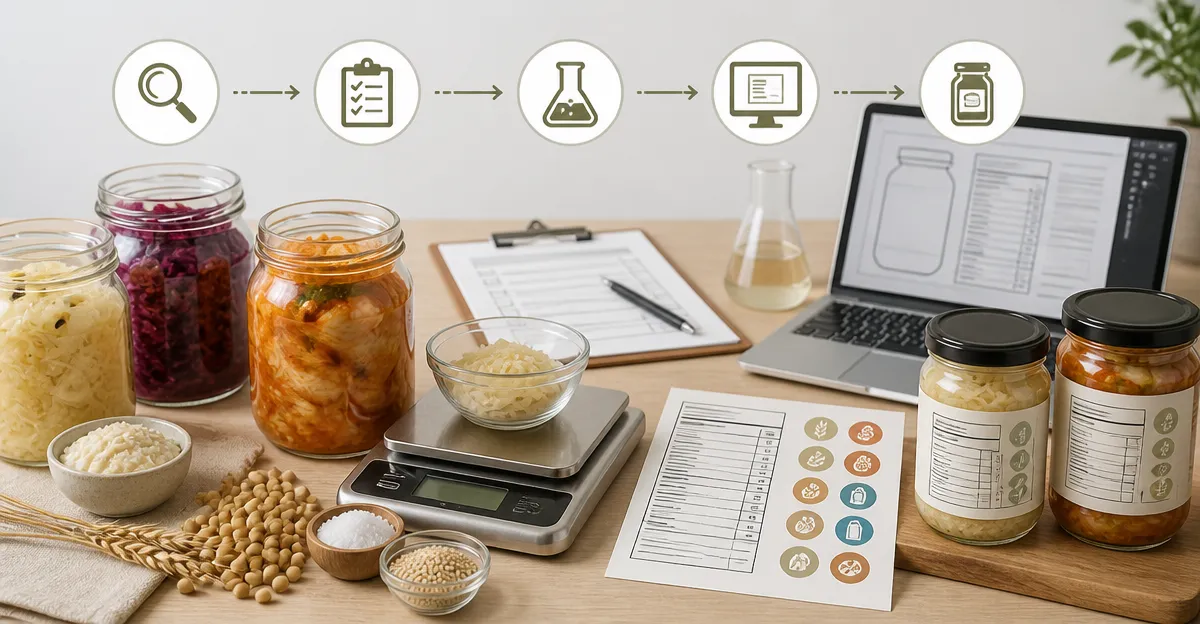
How to Create Accurate Allergen and Nutrition Labels for Fermented Foods: A Step‑by‑Step Guide for Small Producers
Introduction
Small producers of fermented foods often face the challenge of providing clear allergen and nutrition information to consumers. This guide explains how one can develop accurate labels that meet regulatory expectations while maintaining brand integrity. Readers will learn the essential data collection methods, label design principles, and practical tools that simplify the process. By following the steps, producers can enhance consumer trust and reduce the risk of compliance violations.
What You’ll Need
- Ingredient inventory spreadsheet or notebook
- Nutrition analysis software or reliable online calculator
- Graphic design program (e.g., Adobe Illustrator, Canva)
- High‑resolution printer or professional printing service
- Allergy Sticker for Cake – 1.5 inch pink allergen labels
Step 1: Compile a Complete Ingredient List
The first step requires documenting every ingredient used in the fermentation process, including spices, cultures, and processing aids. One should record the source, batch number, and any sub‑ingredients that may contain hidden allergens such as soy, nuts, or gluten. This information forms the basis for both allergen declaration and nutritional calculation. Maintaining a digital spreadsheet allows quick updates when recipes change.
Step 2: Identify Allergenic Components
After the ingredient list is complete, the producer must cross‑reference each item with the major allergen categories recognized by local regulations. Common allergens include milk, egg, fish, crustacean shellfish, tree nuts, peanuts, wheat, and soy. If an ingredient is derived from any of these sources, it must be highlighted on the label. Using a simple colour‑coding system in the spreadsheet can help visualise allergen presence at a glance.
Step 3: Calculate Nutritional Values
Accurate nutrition facts require a reliable analysis of macronutrients, micronutrients, and caloric content per serving. Producers may use specialised nutrition analysis software that imports the ingredient spreadsheet and applies standard food composition databases. For small batches, reputable online calculators can provide comparable results when the correct serving size is entered. It is advisable to verify the output with a certified laboratory if the product will be marketed broadly.
Step 4: Design the Label Layout
With allergen and nutrition data in hand, the next phase involves creating a clear and compliant label design. The label should include the product name, net weight, ingredient list, allergen statement, nutrition facts panel, and any required barcode or certification logos. A professional graphic design program enables precise alignment, legible typography, and consistent branding. When the label design is finalised, producers must print a test copy to assess readability and colour accuracy.
Applying allergen stickers is an efficient way to ensure that allergen information remains visible even if the primary label is damaged or removed. The Allergy Sticker for Cake provides a 1.5 inch pink label that adheres securely to glass, plastic, and paper surfaces. Each sticker prints clear, non‑blurry text and bright colour, which aids consumer recognition. The pack contains 300 stickers at a price of $8.99, and it holds a rating of 4.8 out of 5 stars based on 107 reviews, indicating high user satisfaction. Using these stickers reduces the need for re‑printing full labels when allergen information changes, thereby saving time and cost.
Step 5: Apply Labels and Verify Compliance
Once the primary label and allergen stickers are printed, the producer should apply them to each product container in a clean, dry environment to ensure optimal adhesion. It is important to place the allergen stickers in a consistent location, such as the upper right corner, so that consumers can locate them quickly. After labeling, a final inspection should confirm that all required information is present, legible, and conforms to the jurisdiction’s font‑size and placement rules. Maintaining a checklist of compliance items can streamline this verification process.
Tips & Pro Tips
- Maintain a master template for the nutrition facts panel to avoid redesigning for each batch.
- Store allergen stickers in a cool, dry place to preserve adhesive strength over time.
- Consider using QR codes on the label to link to a detailed online ingredient and allergen database.
- When possible, source ingredients from suppliers who provide allergen‑free certificates.
- Perform a mock purchase test by asking a friend to read the label and note any ambiguities.
Troubleshooting
Sticker does not adhere properly: Ensure the surface is free of oil or moisture; lightly wipe with an alcohol‑based wipe before application.
Nutrition facts appear inaccurate: Re‑check ingredient weights and serving size; verify that the analysis software uses the correct food database version.
Allergen statement is missing a hidden source: Conduct a supplier audit and request full ingredient disclosures for each raw material.
Conclusion
Creating accurate allergen and nutrition labels for fermented foods requires diligent data collection, careful calculation, and thoughtful design. By following the five steps outlined in this guide, small producers can produce labels that protect consumers, satisfy regulators, and reinforce brand credibility. The recommended Allergy Sticker for Cake serves as a practical tool for maintaining visible allergen information throughout the product’s shelf life. One should continue to monitor regulatory updates and refine labeling practices as the business grows.
Products Mentioned in This Guide
Frequently Asked Questions
What information must be included on allergen labels for fermented foods?
Allergen labels must list any of the major allergens present, such as milk, soy, nuts, or gluten, using clear, legible text that complies with local regulations.
How can small producers accurately calculate nutrition facts for fermented products?
Use a reliable nutrition analysis software or an online calculator, inputting the exact ingredient weights from your inventory spreadsheet to generate the nutrient profile.
What tools are essential for designing compliant food labels?
A graphic design program (e.g., Adobe Illustrator or Canva) and a high‑resolution printer or professional printing service are key for creating clear, compliant labels.
Why is a complete ingredient inventory important for label accuracy?
A detailed ingredient list ensures every component, including hidden allergens, is accounted for, preventing labeling errors and regulatory violations.
Can pre‑made allergen stickers be used on fermented food packaging?
Yes, pre‑made allergen stickers, such as 1.5‑inch pink labels, can be applied to packaging to quickly meet allergen disclosure requirements.