Introduction
Fermenting pickles at home transforms ordinary cucumbers into probiotic‑rich, crunchy snacks that support digestive health. This guide explains the essential equipment, precise techniques, and common pitfalls, enabling one to achieve consistently crisp results. Readers will learn how to select vegetables, prepare a balanced brine, control temperature, and use specialized tools that simplify the process. By the end of the article, one will be equipped to produce restaurant‑quality pickles without costly commercial equipment.
What You'll Need
- Fresh cucumbers (preferably pickling varieties)
- Non‑iodized salt (e.g., kosher or sea salt)
- Filtered water
- Spices such as dill, garlic, peppercorns, and mustard seeds
- Wide‑mouth mason jars
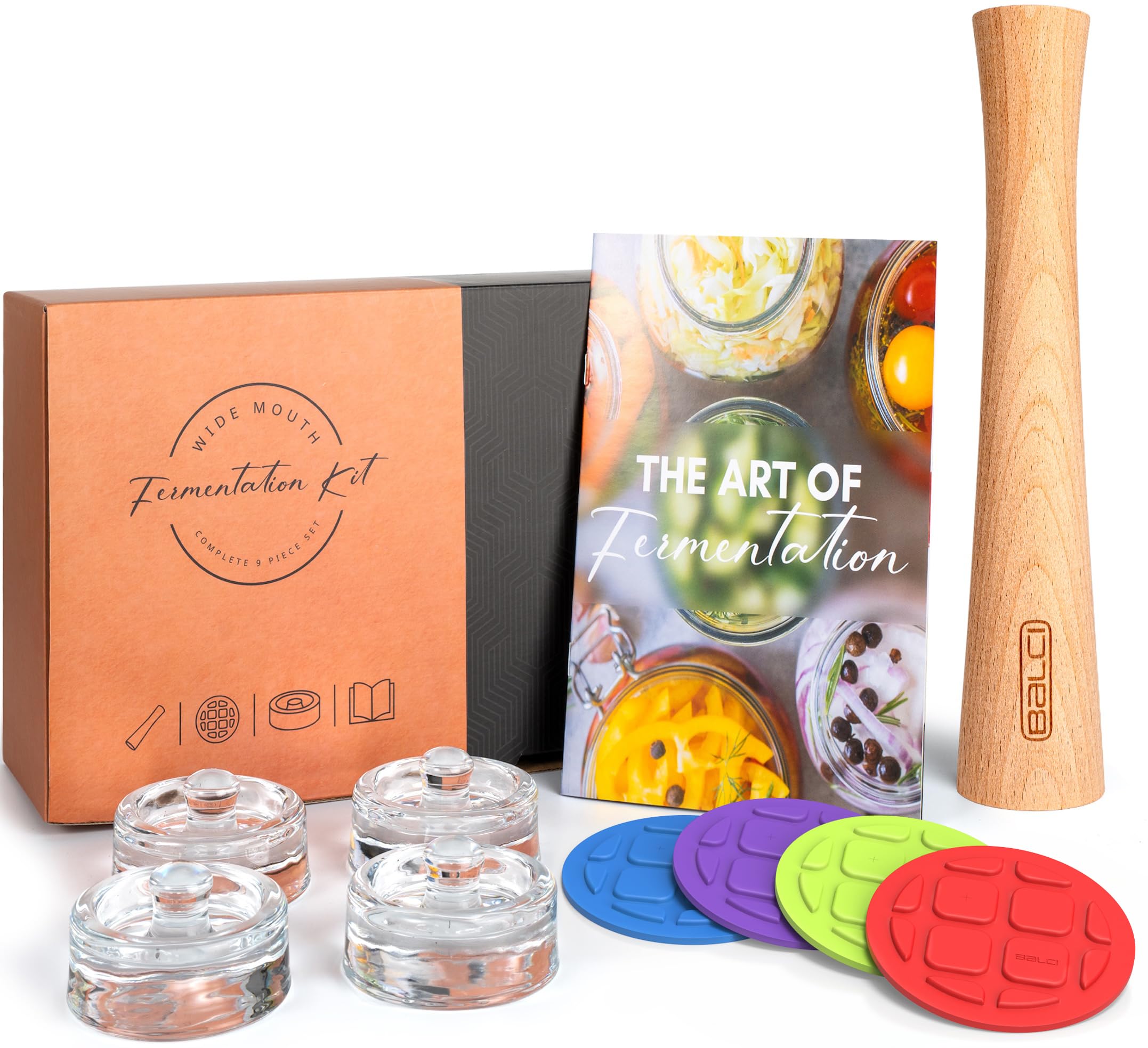
- Fermentation weights and air‑tight, venting lids – recommended: BALCI Mason Jar Fermentation Kit
- Wooden tamper (included in the kit) for packing vegetables
- Measuring cups and a kitchen scale
Step‑by‑Step Instructions
1. Select and Prepare the Cucumbers
Choose cucumbers that are firm, uniformly sized, and free of blemishes. Smaller cucumbers (4‑6 inches) tend to stay crisper because their skin is thinner and they absorb brine more evenly. Wash them thoroughly under cold water, then trim the ends to remove the blossom tip, which can release enzymes that soften the flesh. For extra crunch, soak the cucumbers in a cold water bath with a pinch of salt for two hours; this draws out excess moisture and strengthens cell walls.
2. Create a Balanced Brine
A classic brine ratio of 5% salt by weight (50 g salt per 1 L water) provides the ideal osmotic pressure for lactic‑acid bacteria while preserving texture. Dissolve the salt in filtered water, stirring until fully dissolved. Optional flavor enhancers—such as a tablespoon of sugar, a splash of apple cider vinegar, or a few crushed peppercorns—can be added without compromising fermentation. Remember that any additional acidic ingredients will accelerate the sourness, so adjust to taste.
3. Pack the Jars
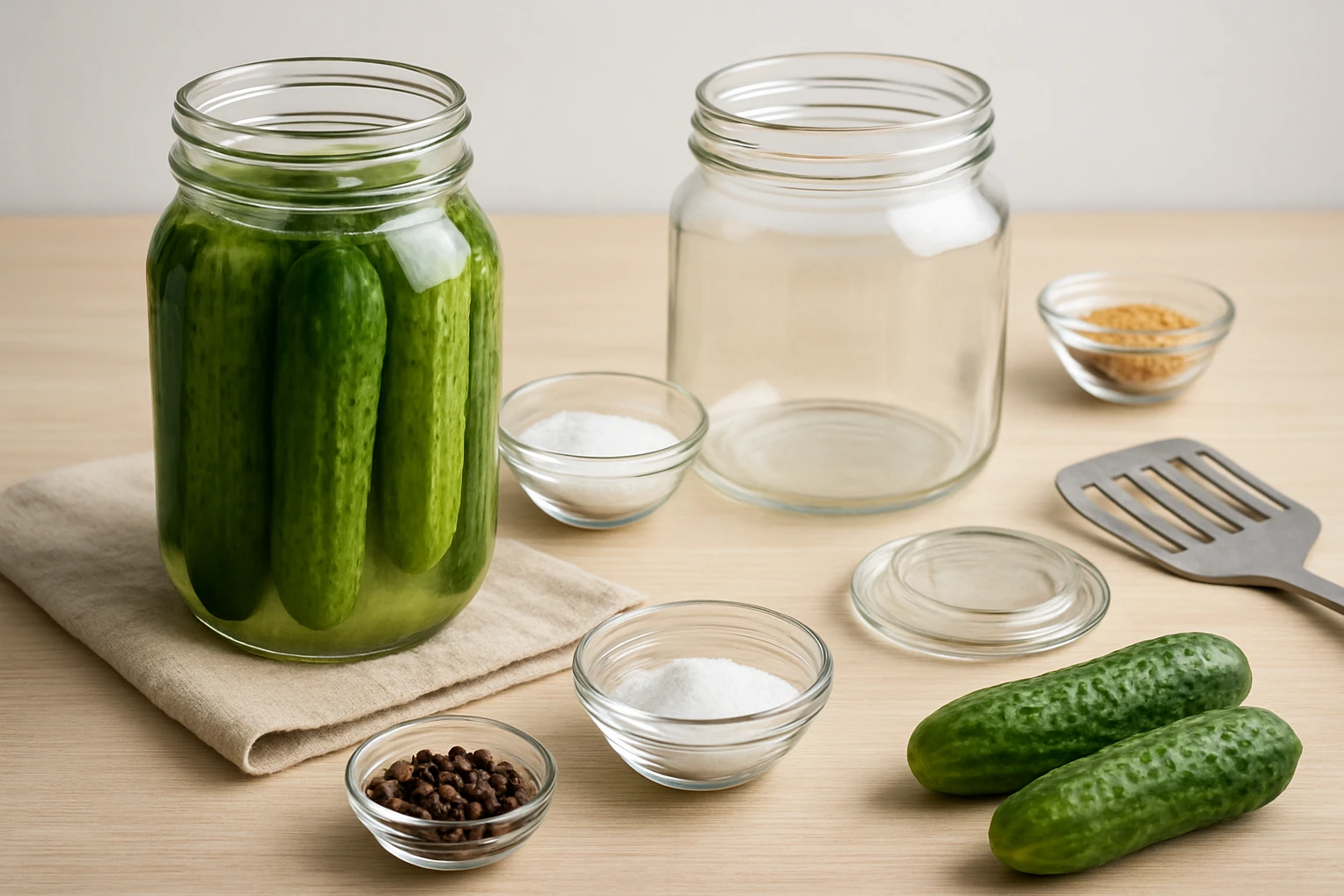
Arrange the cucumbers vertically in a wide‑mouth mason jar, leaving approximately 2‑3 cm of headspace at the top. Add aromatics—fresh dill sprigs, garlic cloves, and mustard seeds—between the cucumbers. Use the wooden tamper from the BALCI Mason Jar Fermentation Kit to gently press the vegetables down, ensuring they remain fully submerged when the brine is added. Over‑packing can restrict airflow, while under‑packing may leave too much headspace for excess gas.
4. Add Fermentation Weights and Secure the Lids
Pour the brine over the packed cucumbers until they are completely covered, leaving the recommended headspace. Place the glass fermentation weights—provided in the BALCI Mason Jar Fermentation Kit—directly on top of the vegetables. The weights prevent the cucumbers from floating, which would expose them to oxygen and increase the risk of mold. Finally, seal the jar with the venting fermentation lid from the same kit. These lids feature an airlock that releases carbon dioxide while blocking oxygen, eliminating the need for manual “burping” and maintaining an anaerobic environment essential for crisp, safe fermentation.
5. Ferment at the Correct Temperature
Store the sealed jars in a cool, dark area with a temperature range of 18‑22 °C (64‑72 °F). This range encourages the growth of Lactobacillus bacteria, which produce lactic acid and preserve the cucumbers’ crunch. Fermentation time varies from three to seven days, depending on ambient temperature and personal taste. Warmer conditions accelerate acid production but may also soften the texture, whereas cooler environments prolong the process and often yield crisper results.
6. Monitor Crispness and Flavor Development
Begin tasting the pickles after three days. Open the jar briefly, allowing any released gas to escape, then sample a cucumber slice. If the flavor is not yet tangy enough, reseal the lid and continue fermenting. To preserve maximum crunch, stop the fermentation once the desired sourness is reached and transfer the jars to the refrigerator. Cold storage slows bacterial activity, effectively “locking in” the texture and flavor for several months.
7. Store and Enjoy
Refrigerated pickles can be consumed immediately or stored for up to six months. For optimal texture, keep the jars upright and avoid shaking them. When serving, remove the cucumbers with clean tongs to prevent contamination. The brine itself can be used as a flavorful base for salad dressings, marinades, or as a probiotic sip.
Tips & Pro Tips
- Use cold water for the brine. Warm water can dissolve salt faster but may also encourage unwanted microbes.
- Add a grape leaf or a pinch of calcium chloride. The tannins in grape leaves and calcium ions reinforce pectin, helping cucumbers stay firm.
- Keep the jars away from direct sunlight. Light can degrade the color of the pickles and promote spoilage.
- Do not over‑salt. Excessive salt inhibits bacterial activity, leading to a flat flavor and longer fermentation.
- Use the venting lids from the BALCI kit. They eliminate the need for daily burping, reducing the risk of accidental exposure to oxygen.
Troubleshooting
| Problem | Possible Cause | Solution |
|---|---|---|
| Mushy texture | Insufficient salt or warm fermentation temperature | Increase salt to 5% and store jars at 18 °C (64 °F) or lower. |
| White mold on surface | Exposure to oxygen | Ensure cucumbers are fully submerged; add additional fermentation weight and reseal with the venting lid. |
| Off‑flavors (yeasty or sour beyond preference) | Over‑fermentation | Transfer jars to refrigerator as soon as desired taste is reached. |
Conclusion
Fermenting crunchy pickles combines science and art, but with the right equipment and clear procedures, anyone can achieve reliable, probiotic‑rich results. By selecting firm cucumbers, maintaining a 5% salt brine, using the BALCI Mason Jar Fermentation Kit for weights and venting lids, and controlling temperature, one creates a safe anaerobic environment that preserves crispness and develops complex flavors. Experiment with spices, adjust fermentation time, and enjoy the health benefits of homemade pickles for months to come.
Products Mentioned in This Guide
BALCI Mason Jar Fermentation Kit
Price: $39.99
Rating: 4.5/5.0 (38 reviews)
Includes four burping lids, four glass fermentation weights, a wooden tamper, and a recipe booklet—everything required to ferment sauerkraut, kimchi, pickles, and other probiotic foods.
Frequently Asked Questions
What type of cucumbers should I use for the crispiest fermented pickles?
Choose small, firm pickling cucumbers or Kirby varieties, as they retain texture better than larger slicing cucumbers.
Why is non‑iodized salt recommended for the brine?
Non‑iodized salts like kosher or sea salt don’t contain anti‑caking agents that can inhibit the beneficial lactobacillus fermentation.
How do fermentation weights and venting lids keep pickles crunchy?
Weights keep vegetables fully submerged, preventing mold, while venting lids release excess CO₂, avoiding pressure that can soften the cucumbers.
What temperature range yields consistent crunch during fermentation?
Maintain the jar at 60‑70 °F (15‑21 °C); cooler temps slow fermentation, and higher temps can make pickles mushy.
How long should I ferment pickles before they’re ready to eat?
Typical fermentation takes 3‑7 days, but taste‑test daily and stop when the desired tang and crunch are achieved.