
Introduction
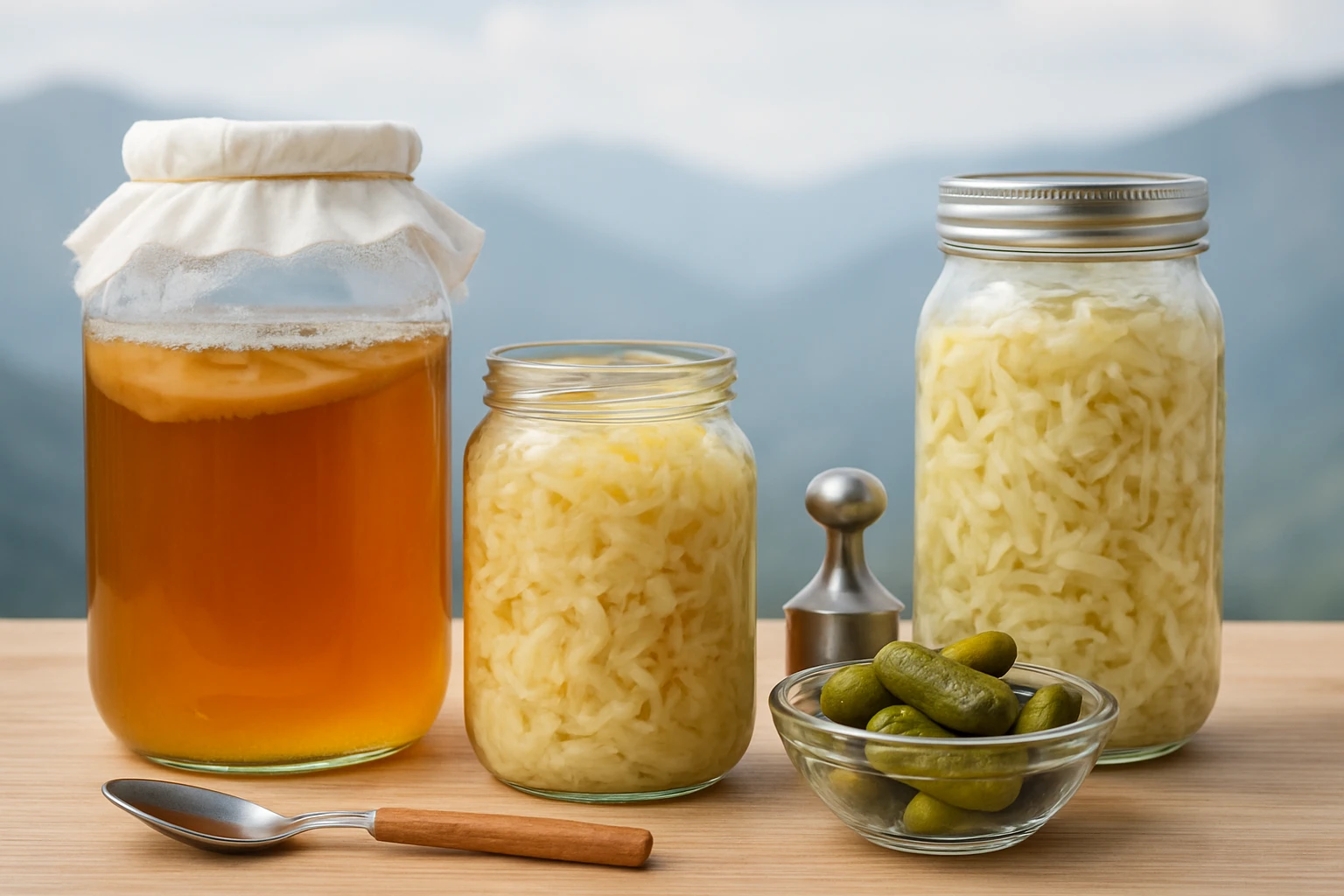
Fermentation is a time‑honored method for preserving food while enhancing flavor and nutrition. At high altitude the reduced atmospheric pressure alters gas exchange, which can cause over‑fermentation or slow development of the desired microorganisms. This guide will teach the reader how to ferment kombucha, sauerkraut, and pickles safely and consistently above 4,000 feet. By following the procedures and using the recommended tools, one can achieve reliable results without compromising the health benefits of probiotic foods.
What You’ll Need
- Klemon Fermentation Kit – 6 stainless‑steel lids, silicone grommets, and BPA‑free airlocks. Price $19.96, rating 4.4/5 (1,375 reviews). Ideal for sealing wide‑mouth jars used for sauerkraut and pickles.
- Fermentaholics Kombucha SCOBY Kit – Organic SCOBY with 12 oz starter tea. Rating 4.5/5 (8,406 reviews). Provides a robust culture for the first gallon of kombucha.
- The Kombucha Co. Brewing Starter Kit – 5‑inch SCOBY, starter tea, loose‑leaf tea blend, sugar, jar, and test strips. Price $48.99, rating 4.6/5 (315 reviews). Offers a complete solution for repeat brewing.
- Urban Kitchen Organic SCOBY 2‑Pack – Two organic SCOBYs with starter liquid. Price $24.99, rating 4.3/5 (1,671 reviews). Provides backup cultures for continuous kombucha production.
- Non‑reactive glass jars (4 oz‑64 oz wide‑mouth), clean kitchen towels, non‑metallic stirring utensils, and a digital thermometer.
Step 1: Prepare Your Work Area and Equipment
The first step is to establish a clean, temperature‑controlled environment. At altitude temperatures can fluctuate more rapidly, so a dedicated counter space away from drafts is advisable. Wash all glass jars, lids, and utensils with hot, soapy water, then rinse thoroughly. Sanitize by immersing the items in a solution of one tablespoon bleach per gallon of water for five minutes, then allow them to air dry on a clean towel.
The Klemon Fermentation Kit is particularly useful for this stage because its silicone grommets create an airtight seal while the water‑filled airlock permits the safe release of carbon dioxide. The stainless‑steel lids are resistant to corrosion and do not impart metallic flavors to the ferment.
Step 2: Adjust Recipes for High Altitude
Reduced atmospheric pressure at altitude accelerates the release of gases, which can cause a faster drop in pH. To compensate, increase the amount of salt in sauerkraut by 10 % (e.g., 2 % of vegetable weight becomes 2.2 %). For pickles, add an extra half‑teaspoon of pickling salt per quart of brine. In kombucha, extend the initial fermentation by 12‑24 hours to allow the SCOBY to adapt to lower oxygen levels.
When preparing the brine, use filtered water to avoid chlorine, which can inhibit beneficial bacteria. Dissolve the adjusted salt quantity completely before adding vegetables or tea. Maintaining a consistent brine concentration is essential for preventing unwanted mold growth.
Step 3: Inoculate and Seal the Ferment
For sauerkraut and pickles, pack the prepared vegetables tightly into the sanitized wide‑mouth jars, leaving a one‑inch headspace. Pour the brine until the vegetables are fully submerged. Insert the silicone grommet from the Klemon Fermentation Kit into the lid, then fill the water chamber of the airlock halfway with filtered water. Screw the lid securely; the silicone ring ensures a 100 % airtight seal while the airlock releases excess carbon dioxide.
For kombucha, begin by brewing a sweet tea using the loose‑leaf blend and cane sugar from the The Kombucha Co. Brewing Starter Kit. Cool the tea to 75 °F, then add the organic SCOBY and starter liquid from the Fermentaholics Kombucha SCOBY Kit. Cover the jar with a breathable cloth secured with a rubber band to keep out insects while allowing airflow.
Step 4: Monitor Temperature and pH
Ideal fermentation temperatures range from 70‑78 °F. At high altitude, indoor heating may be required during cooler nights. Use a digital thermometer to keep the environment within this range. For kombucha, test the acidity after 7‑10 days using the pH strips supplied in the The Kombucha Co. Brewing Starter Kit. A pH of 3.2‑3.5 indicates a safe, tangy brew.
For sauerkraut and pickles, visual cues such as the formation of bubbles, a sour aroma, and a firm texture are primary indicators of progress. The airlock will bubble more vigorously during the first 48 hours, then slow as the fermentation stabilizes.
Step 5: Harvest and Store the Finished Products
When the desired flavor is achieved, remove the airlock and gently press the sauerkraut or pickles to release any trapped gases. Transfer the ferment to clean jars, seal with standard lids, and store in the refrigerator. Refrigeration slows further fermentation, preserving the intended taste and texture.
Kombucha is ready for a second fermentation (flavoring) once the initial pH is stable. Add fruit, herbs, or ginger, then seal the bottle with a swing‑top cap and allow it to carbonate for 2‑5 days at room temperature. Use the Urban Kitchen Organic SCOBY 2‑Pack as a backup culture if the original SCOBY shows signs of stress.
Tips & Pro Tips
- Maintain a consistent temperature; fluctuations of more than 5 °F can cause off‑flavors.
- Use non‑metallic utensils when handling fermenting vegetables to avoid disrupting the protective acid layer.
- At altitude, increase the headspace in jars by 0.5 inch to accommodate greater gas expansion.
- For kombucha, cover the brewing jar with a double layer of cheesecloth to prevent dust while still allowing oxygen diffusion.
- Periodically taste the ferment; a balanced sourness indicates proper microbial activity.
Troubleshooting
| Problem | Possible Cause | Solution |
|---|---|---|
| Excessive bubbling and pressure | High altitude gas expansion | Increase headspace, vent airlock daily, or use a larger jar. |
| Mold growth on surface | Insufficient brine or contaminated equipment | Ensure vegetables remain submerged, sanitize all tools, and discard affected batch. |
| Flat kombucha with little carbonation | Low temperature or insufficient sugar | Raise ambient temperature to 75‑78 °F and verify sugar concentration of 5 % w/v. |
| Off‑flavor (yeasty or vinegar‑like) | Over‑fermentation due to high altitude | Shorten fermentation time by 12‑24 hours and increase salt slightly. |
Conclusion
Fermenting kombucha, sauerkraut, and pickles at high altitude requires careful adjustment of salt, temperature, and gas management. By using reliable tools such as the Klemon Fermentation Kit and quality SCOBY kits, the home fermenter can achieve consistent, flavorful results. The techniques outlined in this guide empower the reader to create probiotic foods that support digestion, immunity, and culinary creativity, regardless of elevation.
Products Mentioned in This Guide
Frequently Asked Questions
How does high altitude affect the fermentation of kombucha, sauerkraut, and pickles?
Reduced atmospheric pressure at elevations above 4,000 ft can speed up gas exchange, leading to faster over‑fermentation or slower microbial activity, so timing and temperature adjustments are needed.
What adjustments should I make to fermentation times at high altitude?
Increase the fermentation time by 25‑30 % for kombucha and sauerkraut, and monitor taste daily; pickles may need a slightly longer brine soak before sealing.
Can I use the Klemon Fermentation Kit for high‑altitude fermenting?
Yes, its airtight stainless‑steel lids and silicone grommets help maintain consistent pressure, which is especially important at high elevations.
Do I need a different SCOBY for kombucha at high altitude?
No special SCOBY is required, but use a robust starter like the Fermentaholics kit and keep the brew at a stable temperature to counteract altitude‑related variability.
What temperature range is ideal for fermenting at 4,000 ft and above?
Maintain 68‑75 °F (20‑24 °C) for kombucha and sauerkraut; for pickles, 65‑70 °F (18‑21 °C) works best to ensure steady fermentation.


