How to Leave Kombucha and Pickles While on Vacation: Expert Tips to Keep Your Ferments Safe and Fresh
Introduction
One often wonders how to preserve the delicate balance of flavors in kombucha and pickles while away from home for several days. This guide explains the science behind fermentation stability, the importance of temperature control, and the role of proper sealing. Readers will learn a systematic approach that reduces the risk of over‑fermentation, mold growth, and loss of carbonation. By following the steps, one can travel with confidence, knowing that the fermented foods will be ready to enjoy upon return.
What You’ll Need
- Wide‑mouth mason jars or fermentation containers
- Air‑tight sealing lids with built‑in airlock valves
- Cool, dark storage space such as a pantry or refrigerator
- Thermometer to monitor ambient temperature
- Optional: swing‑top bottles for secondary carbonation
Each item can be sourced from the product list below, but the guide also works with equivalent kitchen tools.
Step 1: Prepare the Ferment for Travel
Before departing, one should verify that the kombucha or pickle batch has reached the desired level of acidity. Taste a small sample; the flavor should be tangy without excessive sourness, indicating that the fermentation has stabilized. If the batch is still actively bubbling, allow it to finish for another 24‑48 hours to avoid over‑pressurization during travel. Once satisfied, remove any visible foam or surface mold with a clean utensil, as this will improve the seal later.
Step 2: Select the Appropriate Container
For kombucha, a wide‑mouth glass jar of at least one liter capacity works best because it allows easy access to the SCOBY and reduces the chance of breakage. For pickles, a similar jar with a capacity matching the volume of vegetables is ideal. The E‑Jen Kimchi Fermentation Container offers a durable polyprolene body, dishwasher‑safe construction, and an inner vacuum lid that minimizes oxygen exposure. Priced at $17.99 with a rating of 4.7/5 from 4,081 reviews, it provides a reliable, food‑safe environment for both kombucha and pickles during a vacation.
Step 3: Seal with a Smart Airlock Lid
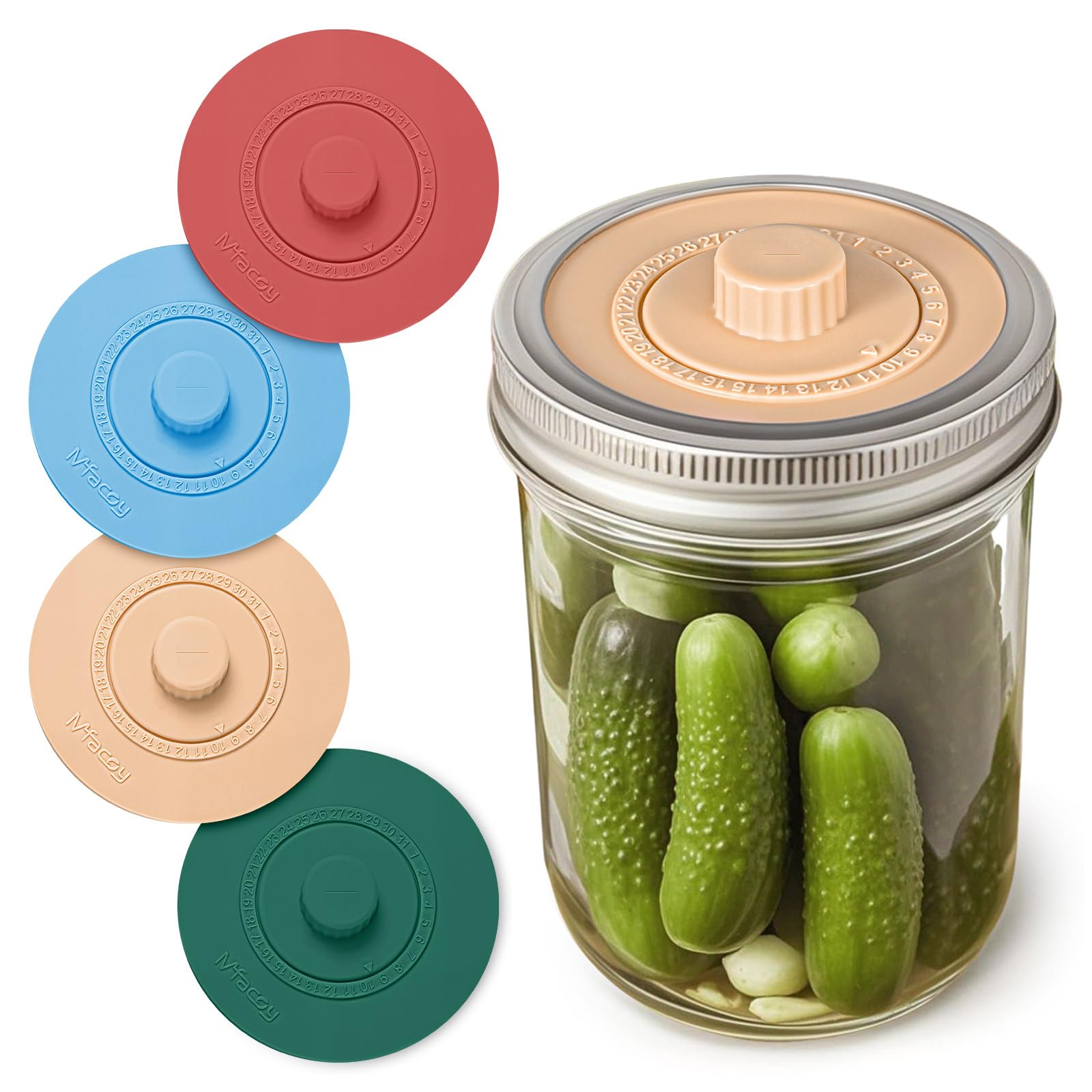
Sealing the jar correctly is the most critical step for safe travel. An airlock lid permits carbon dioxide to escape while preventing oxygen and contaminants from entering. The Mfacoy Airlock Fermentation Lids feature a patented one‑way valve, a silicone seal that is BPA‑free, and a built‑in date‑tracking ring. At $8.99 and a rating of 4.6/5 from 178 reviews, these lids are inexpensive yet highly effective for preventing jar explosions and maintaining probiotic quality. After placing the lid, set the date tracker to the day of departure; this visual cue helps one remember how long the ferment has been unattended.
Step 4: Store in a Cool, Dark Environment
Temperature fluctuations accelerate fermentation, so the jars should be placed where the temperature remains between 60 °F and 70 °F (15 °C‑21 °C). A pantry shelf away from direct sunlight or a refrigerator set to a mild cooling mode works well. If the vacation lasts longer than a week, consider moving the jars to the refrigerator after the first 48‑hour period; this slows microbial activity dramatically. For added protection, the Klemon Fermentation Lid Set includes stainless‑steel lids, silicone rings, and water‑filled airlocks that can be adjusted to maintain a stable internal pressure, making it suitable for longer storage periods. The set costs $19.96 and holds a rating of 4.4/5 from 1,377 reviews, reflecting its popularity among home fermenters.
Step 5: Prepare for Re‑Carbonation (Optional)
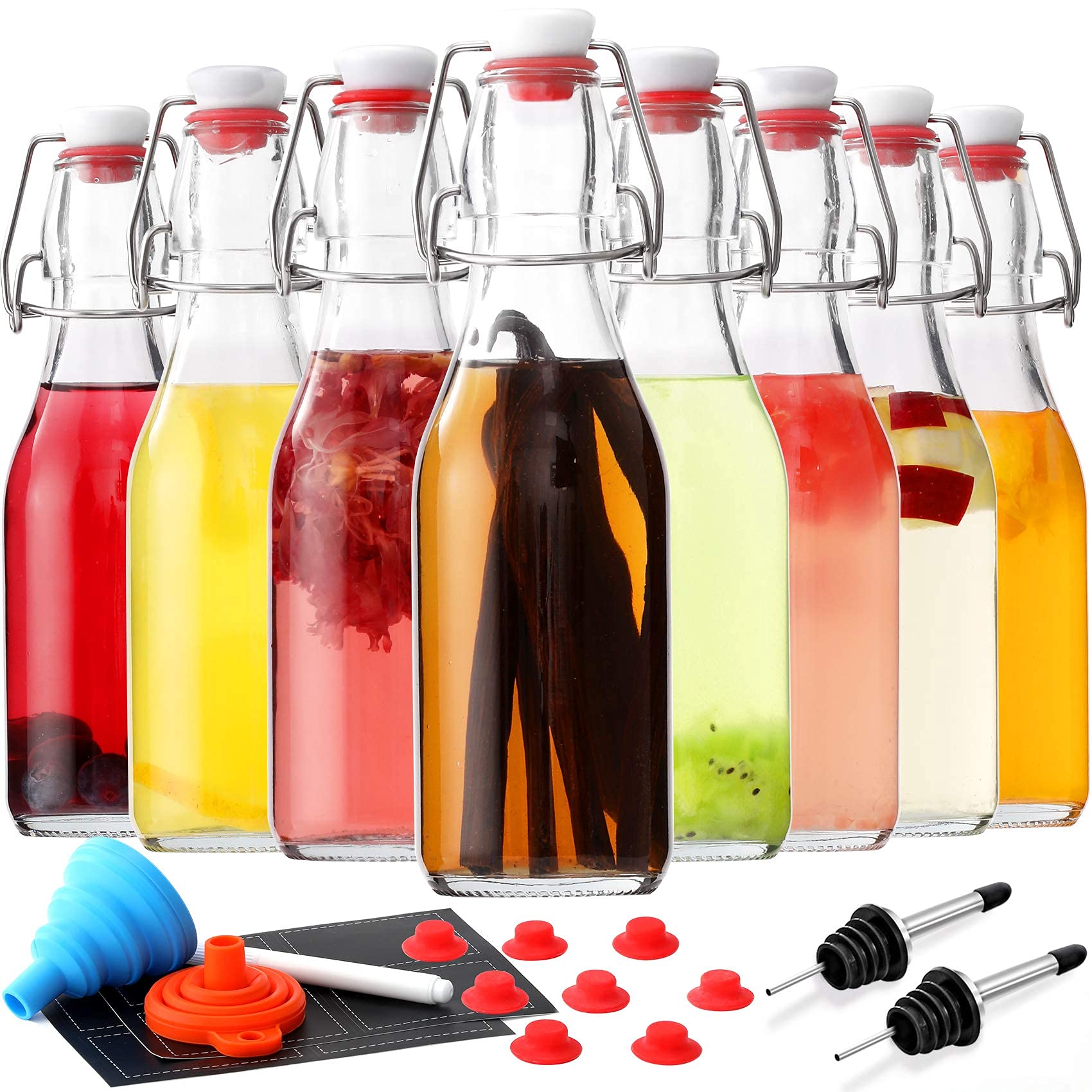
Upon return, many enthusiasts wish to add a burst of carbonation to kombucha or to seal pickles for a crisp finish. Transferring the ferment to the Aozita 8‑Pack Swing Top Bottles allows secondary fermentation under controlled pressure. Each 8.5 oz glass bottle features a stainless‑steel swing top and silicone stopper that creates an airtight seal, ideal for carbonated beverages. Priced at $20.99 with a rating of 4.8/5 from 4,870 reviews, this pack provides a convenient way to bottle the ferment for immediate consumption or gifting. Fill each bottle leaving a one‑inch headspace, secure the swing top, and store at room temperature for 24‑48 hours before refrigerating.
Tips & Pro Tips
- Label each jar with the preparation date and expected return date; this reduces the chance of forgetting a batch.
- Use a digital thermometer to verify that the storage area does not exceed 75 °F; higher temperatures can cause off‑flavors.
- If the airlock valve becomes clogged, gently tap the lid to release trapped gas before departure.
- For extended trips, consider a small insulated cooler with a reusable ice pack to maintain a lower temperature without electricity.
- Do not open the jars while away; each opening introduces oxygen that can spoil the ferment.
Troubleshooting
Problem: Excessive pressure causing the lid to pop off.
Solution: Verify that the airlock valve is not blocked and that the date tracker is set correctly. If the pressure continues to build, move the jar to a cooler location or release a small amount of gas by briefly opening the valve.
Problem: Development of mold on the surface.
Solution: Remove the mold with a clean spoon, increase the acidity by adding a small amount of starter kombucha, and ensure the lid is sealed tightly. Consider using a stainless‑steel lid from the Klemon set, which provides a more robust seal.
Conclusion
By following the systematic approach outlined above, one can leave kombucha and pickles on vacation without fear of spoilage or loss of flavor. The combination of proper sealing, temperature control, and vigilant monitoring ensures that the ferments remain probiotic‑rich and ready to enjoy upon return. The recommended tools—Mfacoy Airlock Fermentation Lids, Klemon Fermentation Lid Set, E‑Jen Fermentation Container, and Aozita Swing Top Bottles—offer reliable performance and are backed by strong customer ratings. With these strategies, travel and fermentation can coexist harmoniously.
Products Mentioned in This Guide
Frequently Asked Questions
How should I seal kombucha jars before a vacation?
Use airtight lids with built‑in airlock valves or swing‑top bottles to prevent oxygen ingress while allowing CO₂ release.
What temperature is ideal for storing kombucha and pickles while away?
Keep them in a cool, dark place around 55‑65°F (13‑18°C); refrigeration is best for longer trips.
Can I prevent over‑fermentation during a short trip?
Yes, start with a fully fermented batch and store it at lower temperatures to slow yeast activity.
Do I need a thermometer for my ferment storage?
A simple thermometer helps monitor ambient temperature and ensures it stays within the safe range.
Is it safe to leave pickles in a pantry instead of a fridge?
Pickles can stay in a cool, dark pantry for a few days, but refrigerate for longer periods to maintain crispness and prevent spoilage.