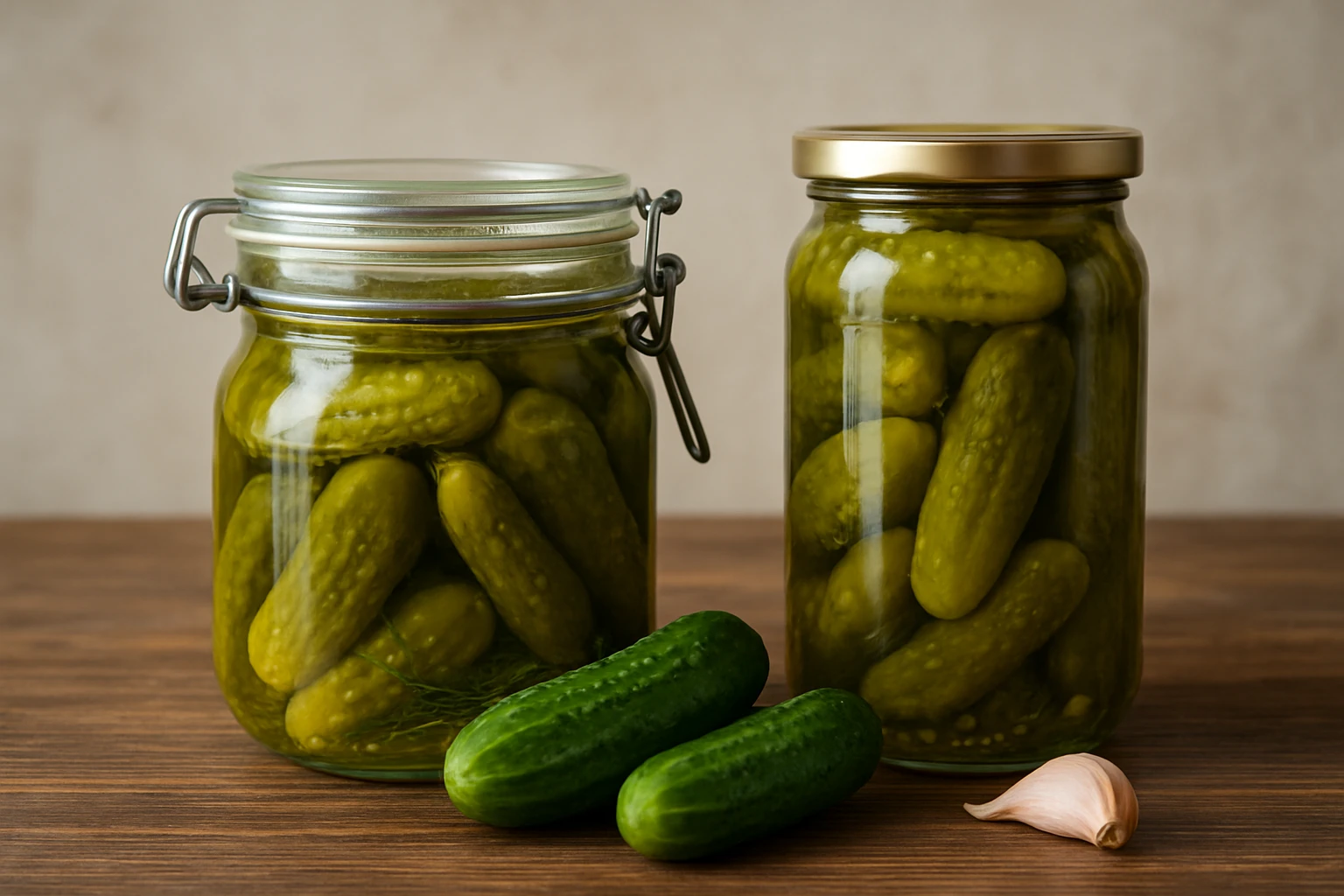
Seller’s Guide to Fermented Pickles Shelf Life: How to Ensure Safe, Shelf‑Stable Products for Sale
Introduction
Fermented pickles represent a lucrative niche for artisanal food sellers, yet the profitability of this segment depends on maintaining product safety and shelf stability. This guide explains the scientific principles behind fermentation, outlines regulatory requirements, and demonstrates how to leverage appropriate storage containers to extend shelf life. Readers will learn how to evaluate product quality, select optimal equipment, and implement best‑practice protocols that protect both consumers and brand reputation. By the end of the article, sellers will possess a clear roadmap for delivering safe, shelf‑stable pickles to market.
Background and Context
Fermentation is a microbiological process in which lactic‑acid bacteria convert sugars into lactic acid, creating the characteristic tang of pickles while inhibiting pathogenic growth. The resulting acidic environment, typically a pH below 4.6, is the primary barrier against spoilage organisms. However, external factors such as temperature fluctuations, oxygen exposure, and inadequate sealing can compromise this barrier, leading to off‑flavors, texture loss, or hazardous microbial proliferation.
In the United States, the Food and Drug Administration (FDA) mandates that commercially sold fermented vegetables meet specific labeling, pH, and processing standards. State health departments may impose additional requirements, including regular microbial testing and record‑keeping. Understanding these regulations is essential for sellers who wish to avoid costly recalls and maintain consumer trust.
Beyond compliance, the choice of storage container plays a pivotal role in preserving the organoleptic qualities of fermented pickles. Containers must provide an airtight seal, resist thermal shock, and facilitate easy separation of brine from solid ingredients when desired. The following sections explore these considerations in depth.
Key Concepts for Shelf‑Stable Fermentation
Acidification and pH Control – The target pH for safe pickles is 4.2 or lower. Sellers should measure pH at the end of fermentation using a calibrated meter, and adjust with additional vinegar or salt brine if necessary. Maintaining a consistent pH throughout distribution prevents the growth of Clostridium botulinum and other pathogens.
Temperature Management – Fermentation proceeds most predictably between 18 °C and 22 °C (64 °F‑72 °F). After the desired acidity is reached, rapid cooling to 4 °C (39 °F) or lower halts bacterial activity, effectively “locking in” the flavor profile. Cold‑chain logistics are therefore critical for long‑term shelf stability.
Oxygen Exclusion – Exposure to oxygen encourages the growth of molds and yeasts that can spoil pickles. Airtight containers equipped with silicone gaskets prevent gas exchange, while the use of a headspace‑reducing design minimizes the volume of air trapped above the brine.
Separation of Liquid and Solids – Some sellers prefer to keep brine separate from the pickles during display to avoid soggy textures. A container that allows a simple flip‑over action to drain liquid without disturbing the solids can enhance both visual appeal and product integrity.
Product Recommendation: Homnoble Pickle & Olive Hourglass Jar
One product that addresses many of the above requirements is the Homnoble Pickle & Olive Hourglass Jar. This hourglass‑style container features two compartments that separate brine from pickles with a simple flip action, eliminating the need for manual straining. The jar is constructed from lead‑free high‑borosilicate glass (3.3 mm thickness), offering excellent thermal resistance from –20 °C to 560 °C, which ensures durability during refrigeration and occasional hot‑water cleaning.
The lid incorporates a food‑grade silicone ring that creates an airtight seal, while the base includes a nonskid silicone case to prevent movement on countertops or refrigerator shelves. These design elements collectively reduce oxygen ingress and accidental spills, both of which are common causes of premature spoilage.
Key specifications include an upper capacity of 700 ml (23.7 oz) and a lower capacity of 310 ml (10.5 oz), allowing sellers to display olives, jalapeños, or mixed pickles while keeping each ingredient in its optimal moisture environment. The wide mouth (8.5 cm/3.4 in) facilitates easy cleaning and the addition of fresh produce, a practical advantage for small‑batch operations that require frequent turnover.
Customer feedback reflects a rating of 4.4 out of 5 stars based on 1,986 reviews, with praise for the jar’s innovative flip‑mechanism, leak‑proof performance, and aesthetic appeal. The price point of $18.99 positions the jar as an affordable yet premium‑grade storage solution for sellers seeking to differentiate their product presentation.
Comparison and Selection Guide
When evaluating containers for fermented pickles, sellers should consider the following criteria:
- Material Safety – Glass or food‑grade plastic that is BPA‑free and lead‑free.
- Seal Integrity – Silicone gaskets or comparable mechanisms that prevent gas exchange.
- Temperature Tolerance – Ability to withstand refrigeration and occasional hot‑water sanitation.
- Ease of Use – Features such as flip‑over drainage, wide mouths, or removable strainer components.
- Capacity – Sufficient volume for commercial display while maintaining manageable weight.
Compared with traditional mason jars, the Homnoble Hourglass Jar offers a built‑in liquid‑separation system, reducing the need for separate colanders or siphoning tools. While specialty fermentation crocks provide larger volumes, they often lack airtight lids and can be cumbersome to clean. Plastic containers may be lightweight but frequently suffer from odor retention and reduced durability over time.
For sellers prioritizing visual merchandising, the crystal‑clear glass of the Homnoble jar showcases the vibrant colors of pickled vegetables, enhancing shelf appeal. For those focused on operational efficiency, the dishwasher‑safe components and flip‑drain mechanism streamline daily workflows.
Best Practices & Tips for Maintaining Shelf Stability
1. Standardize Brine Formulation – Use a consistent salt concentration (typically 2‑3 % by weight) and incorporate a measured amount of vinegar to achieve the target pH. Document the recipe for each batch to ensure repeatability.
2. Monitor pH Regularly – Test the brine at the start, midpoint, and end of fermentation. Record values in a batch log and adjust as needed before sealing the product for sale.
3. Employ the Flip‑Drain Technique – With the Homnoble jar, flip the container to separate excess brine after fermentation. This reduces the moisture content surrounding the pickles, slowing any residual microbial activity during storage.
4. Implement a Cold‑Chain Protocol – Transfer finished jars to refrigeration within 24 hours of sealing. Maintain a consistent temperature of 4 °C or lower throughout distribution to inhibit post‑fermentation bacterial growth.
5. Label Accurately – Include the production date, best‑by date, and pH value on each label. Clear labeling assists retailers in inventory rotation and assures consumers of product safety.
6. Conduct Periodic Microbial Testing – Perform quarterly tests for total viable counts, yeast, mold, and pathogens such as Listeria monocytogenes. Use accredited laboratories to validate compliance.
7. Maintain Clean Equipment – Sanitize all containers, lids, and utensils with a food‑grade sanitizer before each use. The removable silicone strainer of the Homnoble jar can be placed in a dishwasher for thorough cleaning.
Frequently Asked Questions
- What is the ideal pH for safe fermented pickles? A pH of 4.2 or lower is considered safe, as it prevents the growth of most pathogens.
- Can I reuse the Homnoble jar for multiple batches? Yes, the glass and silicone components are dishwasher safe and can be reused indefinitely provided they are inspected for cracks or wear.
- How long can pickles remain shelf‑stable after sealing? When stored at 4 °C, properly fermented pickles can retain quality for up to 12 months, though flavor may evolve over time.
- Is the flip‑drain mechanism hygienic? The silicone strainer is flexible and can be fully removed for cleaning, ensuring no residual brine harbors unwanted microbes.
- Do I need to add preservatives? No additional preservatives are required if the fermentation process achieves the target acidity and the product is kept refrigerated.
- What temperature range can the jar withstand? The high‑borosilicate glass tolerates –20 °C to 560 °C, making it safe for both freezer storage and hot‑water sanitation.
- How does the nonskid base benefit commercial use? It prevents jars from sliding on display shelves, reducing the risk of breakage and product loss during handling.
Conclusion
Ensuring the shelf life of fermented pickles requires a combination of scientific rigor, regulatory awareness, and practical equipment choices. By controlling pH, temperature, and oxygen exposure, sellers can produce safe, high‑quality products that satisfy consumers and comply with food safety standards. The Homnoble Pickle & Olive Hourglass Jar exemplifies a well‑designed container that supports these goals through its airtight seal, flip‑drain functionality, and durable construction. Implementing the best practices outlined in this guide will enable sellers to confidently bring shelf‑stable fermented pickles to market.
Products Featured in This Guide
Homnoble Pickle & Olive Hourglass Jar
Price: $18.99
Rating: 4.4/5 (1,986 reviews)
Featured for its airtight silicone seal, flip‑drain design, high‑borosilicate glass durability, and wide mouth that simplifies cleaning—features that directly support safe, shelf‑stable fermented pickles.