Introduction
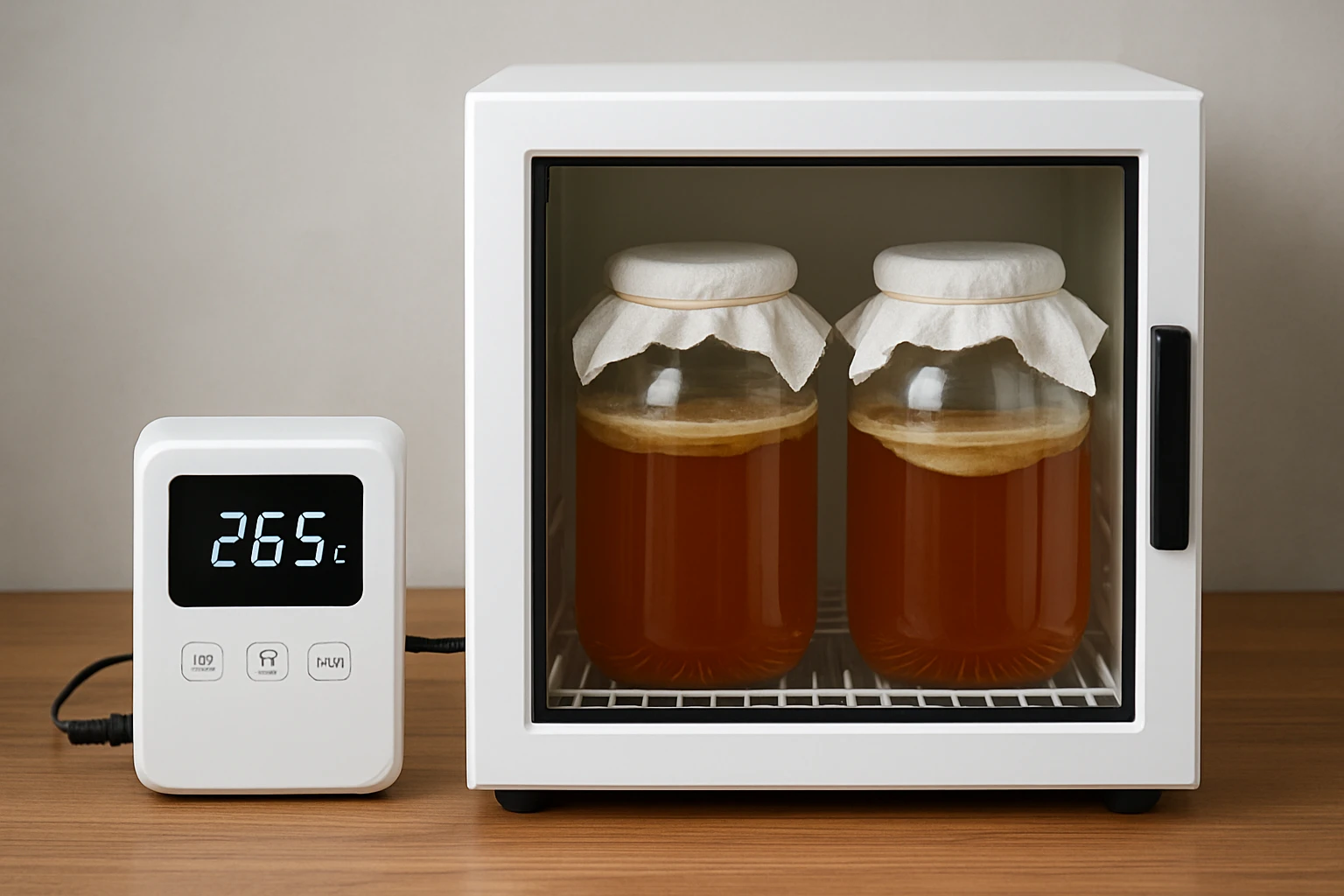
This guide explains how to construct a reliable temperature‑controlled fermentation chamber for kombucha, how to calibrate the system, and how to maintain consistent brews over months of use. Readers will learn essential microbiology concepts, evaluate heating and cooling accessories, and follow a detailed build plan that integrates proven commercial products. By the end of the article, one will possess the knowledge to design a chamber that reduces batch‑to‑batch variation and maximizes probiotic quality.
Background and Context
Kombucha fermentation relies on a symbiotic culture of bacteria and yeast (SCOBY) that produces acids, gases, and trace alcohols. The metabolic rate of the SCOBY is highly temperature dependent; optimal activity occurs between 75°F and 85°F (24°C‑29°C). Temperatures below this range slow acid production, while temperatures above 90°F (32°C) can promote undesirable yeast overgrowth. Consequently, a controlled environment is essential for reproducible flavor, carbonation, and health benefits.
Traditional home brewers use basements, insulated cabinets, or simple heating mats, but these methods often lack precision and safety features. Modern temperature controllers, such as digital thermostats with dual relays, allow users to switch heating and cooling devices automatically, preserving the target range without manual intervention. Integrating these controllers with a sturdy fermentation vessel creates a chamber that functions like a laboratory incubator while remaining affordable.
Designing the Fermentation Chamber
The chamber consists of three core components: an insulated enclosure, a heating element, and a temperature controller. The enclosure can be a spare refrigerator, a chest freezer, or a custom wooden box lined with reflective foam. Insulation reduces heat loss and stabilizes temperature fluctuations caused by ambient changes. The heating element supplies gentle warmth; a heating pad or wrap designed for kombucha is ideal because it distributes heat evenly around the vessel.
Below are recommended products for each component. The first mention of each product is linked to its Amazon page using the friendly name.
- TOMO Fermentation Crock – a 7‑liter stoneware vessel with a wide water‑lock seal, premium glaze, and included weights. Price $14.99, rating 4.6/5 from 534 reviews.
- Saillong Kombucha Heating Pad – an 11.8" x 11.8" PVC heating pad with digital temperature control, adjustable from 45‑113°F, consuming only 15W. Price $29.99, rating 4.4/5 from 46 reviews.
- SENSTREE Digital Temp Controller – a plug‑and‑play thermostat supporting °C/°F, with a waterproof silicone sensor and a 1100W load capacity. Price $26.99, rating 4.3/5 from 232 reviews.
- Inkbird ITC-308 – a dual‑stage controller with separate heating and cooling relays, buzzer alarm, and smartphone connectivity. Price $35.00, rating 4.5/5 from 14,028 reviews.
- Hemlock Kombucha Heating Wrap – a 1‑gallon‑specific heating mat with three preset temperatures, safe for liquid environments. Price $28.00, rating 4.5/5 from 1,170 reviews.
When selecting a heating element, prioritize a product that offers precise temperature control, low power consumption, and a design that leaves space for temperature strips or digital probes. Both the Saillong and Hemlock heating pads satisfy these criteria, but the Saillong pad provides a broader temperature range, which can be useful for experimental brews that require cooler phases.
For temperature regulation, the Inkbird ITC‑308 stands out due to its dual‑relay architecture, allowing simultaneous heating and cooling. This capability is valuable when ambient temperature exceeds the upper target range, as a small fan or portable AC unit can be engaged automatically. The SENSTREE controller offers similar functionality at a lower price point but lacks Wi‑Fi integration.
Step‑by‑Step Construction
1. Prepare the enclosure. Measure the interior dimensions of the chosen cabinet and cut foam board panels to line the walls, floor, and lid. Seal seams with heat‑resistant tape to prevent drafts. Install a small vent on the top to allow excess moisture to escape, but cover it with a fine mesh to keep contaminants out.
2. Position the fermentation vessel. Place the TOMO Fermentation Crock on a raised rack inside the chamber. The rack keeps the crock off the floor, improves air circulation, and simplifies cleaning. Ensure the water‑lock seal remains upright and that the weights are seated properly.
3. Install the heating element. Wrap the Saillong Kombucha Heating Pad around the crock, following the manufacturer’s instructions. The pad’s 11.8" square size fits most 5‑gallon glass carboys, but for the 7‑liter stoneware, a single wrap is sufficient. Connect the pad to the power outlet that will be controlled by the thermostat.
4. Connect the temperature controller. Attach the waterproof silicone sensor of the SENSTREE Digital Temp Controller to the interior of the crock, positioning it near the SCOBY but away from direct contact with the heating pad. Set the desired range (e.g., 78°F low, 82°F high). Plug the controller into the chamber’s main outlet and then plug the heating pad into the controller’s heating relay.
5. Add optional cooling. If the ambient temperature frequently exceeds 85°F, connect a small desktop fan to the cooling relay of the Inkbird ITC‑308. Configure the controller to activate the fan when temperature rises above 85°F, thereby maintaining a stable environment.
6. Calibrate the system. Allow the chamber to reach the target temperature for at least two hours while monitoring with an independent digital thermometer. Adjust the controller’s offset settings until the probe reading matches the external thermometer within ±0.5°F. Record the calibration values for future reference.
Comparison and Selection Guide
| Feature | Saillong Heating Pad | Hemlock Heating Wrap | SENSTREE Controller | Inkbird ITC‑308 |
|---|---|---|---|---|
| Temperature Range | 45‑113°F | Three preset settings (≈70‑85°F) | ±0.5°F accuracy | Dual‑stage heating/cooling |
| Power Consumption | 15W | Low (unspecified) | 15W sensor, negligible load | 15W sensor, relays up to 1100W |
| Connectivity | Digital display only | None | Standalone | Wi‑Fi app, Google Home integration |
| Price | $29.99 | $28.00 | $26.99 | $35.00 |
| Rating | 4.4/5 (46 reviews) | 4.5/5 (1,170 reviews) | 4.3/5 (232 reviews) | 4.5/5 (14,028 reviews) |
For brewers who require precise temperature modulation across a wide range, the Saillong pad combined with the Inkbird controller offers the most flexibility. Hobbyists seeking a simple, low‑cost solution may prefer the Hemlock wrap paired with the SENSTREE controller, which still provides reliable control for typical kombucha temperatures.
Best Practices and Tips
- Maintain a clean environment: sanitize the crock, heating pad, and sensor before each batch to prevent contamination.
- Monitor humidity: excess moisture can encourage mold growth; use a hygrometer and vent the chamber if humidity exceeds 80%.
- Document each batch: record start date, temperature set points, and any adjustments; this data aids in troubleshooting and flavor consistency.
- Use a secondary safety shut‑off: connect a plug‑in timer or smart plug to cut power after 48 hours of continuous operation, preventing overheating.
- Periodically recalibrate sensors: temperature probes drift over time; verify accuracy monthly with a calibrated thermometer.
Frequently Asked Questions
- What is the ideal temperature range for kombucha? The optimal range is 75°F‑85°F (24°C‑29°C). Staying within this window promotes balanced acid and ethanol production.
- Can I use a regular kitchen oven as a fermentation chamber? An oven can provide heat but lacks precise control and ventilation, making it unsuitable for consistent kombucha brewing.
- Do I need both heating and cooling? In most climates, heating alone suffices. Cooling becomes necessary only when ambient temperatures regularly exceed 85°F.
- How often should I replace the heating pad? Heating pads have a typical lifespan of three to five years when used within their specified power range. Replace if the pad shows uneven heating or physical wear.
- Is it safe to run the controller continuously? Yes, provided the controller is rated for the load and is placed in a well‑ventilated area. The Inkbird and SENSTREE models include overload protection.
- Can I control the chamber remotely? The Inkbird ITC‑308 offers Wi‑Fi connectivity and can be managed via a smartphone app, allowing remote adjustments and alerts.
- What cleaning method is recommended for the stoneware crock? Wash with warm soapy water, rinse thoroughly, and allow to air dry. Avoid abrasive cleaners that could damage the glaze.
Conclusion
Building a temperature‑controlled fermentation chamber empowers kombucha enthusiasts to produce consistent, high‑quality brews while minimizing the influence of seasonal temperature swings. By selecting an appropriate insulated enclosure, integrating a reliable heating pad such as the Saillong Kombucha Heating Pad, and employing a precise controller like the Inkbird ITC‑308, one can achieve stable fermentation conditions that rival commercial operations. Regular calibration, diligent sanitation, and careful documentation complete the system, ensuring long‑term success and flavorful kombucha for years to come.
Products Featured in This Guide
TOMO Fermentation Crock
Price: $14.99 | Rating: 4.6/5 (534 reviews)
Featured for its durable stoneware construction, wide water‑lock seal, and included fermentation weights, making it an ideal primary vessel.
Saillong Kombucha Heating Pad
Price: $29.99 | Rating: 4.4/5 (46 reviews)
Featured for its broad temperature range, low power draw, and digital control, providing precise heat for the fermentation chamber.
SENSTREE Digital Temp Controller
Price: $26.99 | Rating: 4.3/5 (232 reviews)
Featured for its plug‑and‑play design, waterproof sensor, and reliable temperature regulation at an affordable price.
Inkbird ITC-308
Price: $35.00 | Rating: 4.5/5 (14,028 reviews)
Featured for its dual‑relay capability, Wi‑Fi integration, and extensive user base, enabling both heating and cooling control.
Hemlock Kombucha Heating Wrap
Price: $28.00 | Rating: 4.5/5 (1,170 reviews)
Featured for its three preset temperature settings specifically tuned for kombucha, and its safe design for use around liquids.