Introduction
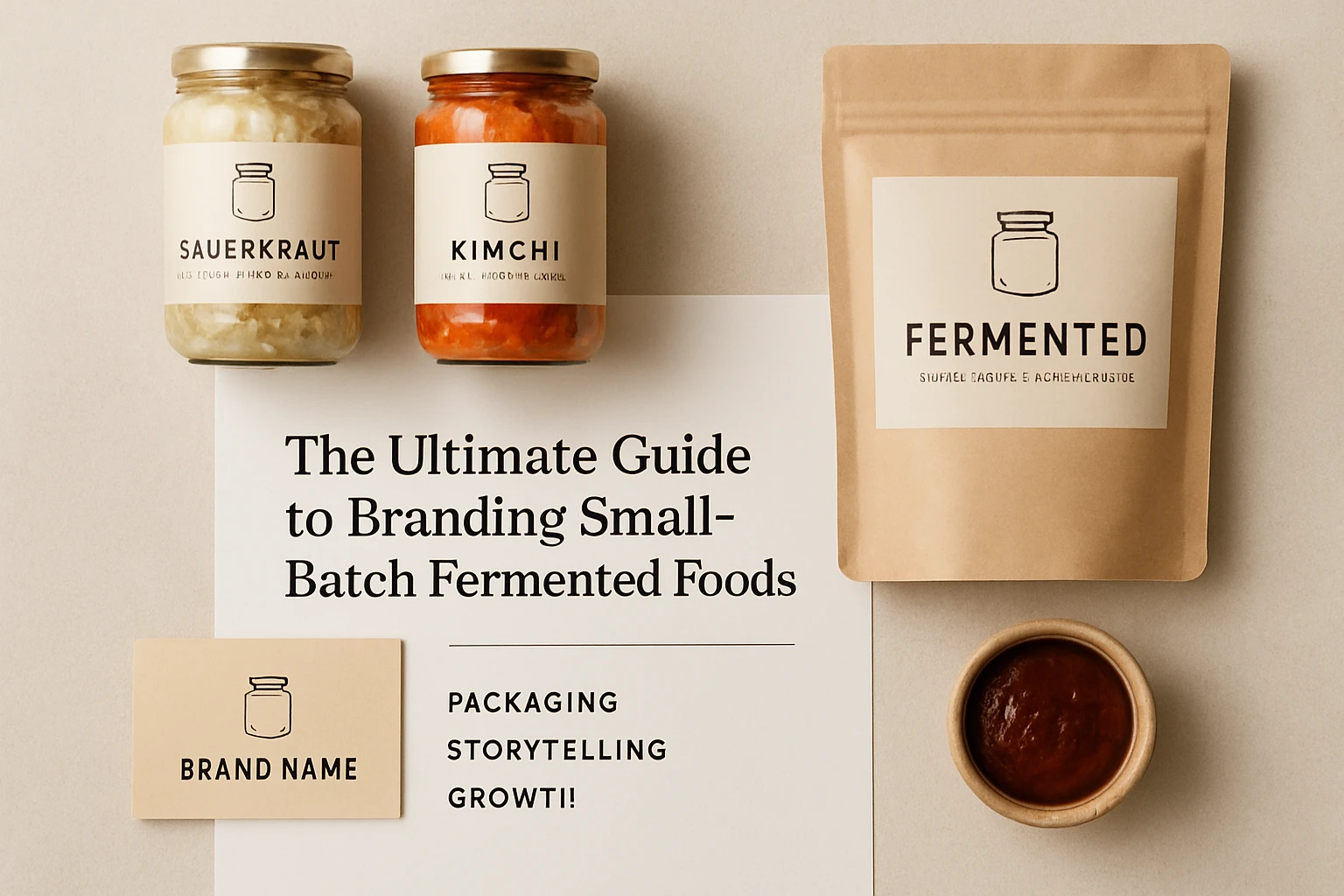
Branding small-batch fermented foods demands a blend of culinary authenticity and visual storytelling. In this guide, one will explore how to craft compelling packaging, convey the heritage of fermentation, and scale a niche brand without compromising quality. Readers will learn foundational branding concepts, actionable design strategies, and how to leverage a specialized resource—the Iconic Branding Guide—to accelerate growth.
Background and Context
Fermented products such as kimchi, kombucha, and sauerkraut have surged in popularity due to their health benefits and artisanal appeal. However, the market is crowded, and consumers often rely on visual cues to assess quality and trustworthiness. Effective branding therefore rests on three pillars: visual identity, narrative authenticity, and regulatory compliance. Visual identity includes logo design, color palettes, and typography that signal freshness and tradition. Narrative authenticity involves sharing the story of the fermentation process, the source of ingredients, and the maker’s philosophy. Finally, compliance ensures that labeling meets food safety standards while still being attractive.
Core Strategies for Small-Batch Fermented Food Brands
1. Develop a Distinct Visual Identity
Begin by defining a logo that reflects the micro‑flora culture and the handcrafted nature of the product. Simple, timeless designs tend to age well and resonate with consumers seeking authenticity. Choose colors that evoke the natural ingredients—deep greens for brined vegetables, amber for fermented teas, and earthy reds for pickled roots. Typography should be legible yet characterful; hand‑drawn typefaces can convey a personal touch while maintaining professionalism.
2. Craft a Compelling Brand Narrative
A strong story differentiates a small-batch brand from mass‑produced competitors. One should articulate the origin of the recipe, the cultural heritage behind the fermentation method, and the sustainable practices employed. Use the packaging surface to include brief anecdotes, QR codes linking to video tours of the kitchen, or infographics that explain the health benefits of lactic‑acid bacteria.
3. Optimize Packaging for Shelf Impact
Packaging must protect the product, comply with food safety regulations, and stand out on retail shelves. Consider glass jars for premium positioning, as they convey durability and recyclability. For portable offerings, matte‑finished kraft bottles with minimalist labeling can attract eco‑conscious shoppers. Ensure that label dimensions are consistent across product lines to reinforce brand cohesion.
4. Leverage Professional Resources
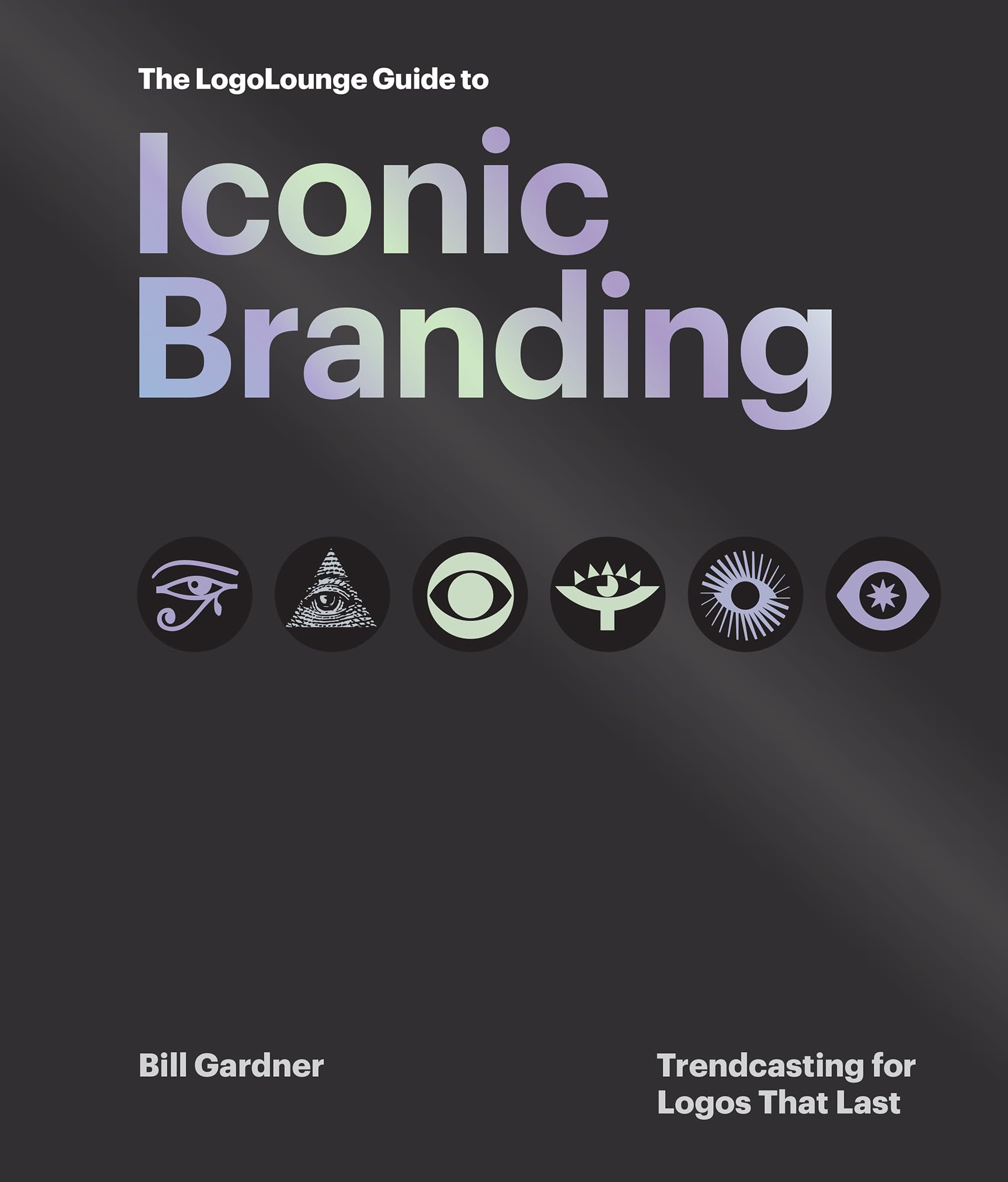
One of the most effective ways to accelerate brand development is to study proven frameworks. The Iconic Branding Guide by Bill Gardner offers trend‑casting insights that help creators anticipate visual directions that will endure. The Kindle edition, priced at $26.10, holds a 4.6‑star rating from 29 reviewers, indicating that it provides actionable guidance for logo creation and brand storytelling.
Comparison and Selection Guide
When selecting resources to support branding efforts, consider the following criteria:
- Depth of Content: Does the resource cover both visual design and narrative development?
- Practical Examples: Are there case studies relevant to food brands?
- User Feedback: What do readers say about the applicability of the advice?
- Format: Is the material available in a portable format such as Kindle?
The Iconic Branding Guide excels in depth and practicality, offering trend analyses that are directly applicable to small‑batch food brands. While other general branding books may provide broad concepts, this guide focuses on logo longevity, a critical factor for products that rely on visual trust. For creators who prioritize a concise, digital‑first resource, the Kindle edition aligns perfectly with on‑the‑go research habits.
Best Practices & Tips for Sustainable Growth
- Maintain Consistency Across Touchpoints: Ensure that logo, color scheme, and tone of voice are uniform on packaging, website, and social media.
- Iterate Based on Consumer Feedback: Conduct small focus groups to gauge reactions to label designs before full production runs.
- Highlight Fermentation Benefits: Use clear, science‑backed statements about probiotics and gut health to build credibility.
- Leverage Limited Editions: Release seasonal flavors with unique packaging to create urgency and collectability.
- Invest in High‑Quality Photography: Visuals of the product’s texture and color enhance perceived value.
Frequently Asked Questions
1. How important is a logo for a small‑batch fermented food brand?
A logo serves as the visual anchor of the brand, communicating quality and authenticity at a glance. Even for niche markets, a memorable logo differentiates the product on crowded shelves.
2. What packaging material best preserves the flavor of fermented foods?
Glass jars provide an airtight seal that protects the probiotic culture while allowing consumers to see the product. For portable items, food‑grade PET bottles with UV‑blocking properties are recommended.
3. Can I use the same branding for both kombucha and sauerkraut?
While a unified visual system is beneficial, subtle variations—such as different accent colors—can signal distinct product categories without fragmenting the overall brand identity.
4. How often should I update my packaging design?
Major redesigns should be spaced by at least five years to maintain brand equity. Minor updates, such as seasonal label sleeves, can be introduced annually.
5. Does the Iconic Branding Guide cover food‑specific regulations?
The guide focuses primarily on visual strategy and storytelling. For regulatory compliance, one should consult food‑labeling guidelines from the FDA or local authorities.
6. What is the best way to tell my fermentation story?
Combine concise copy on the label with QR codes that link to video content showing the fermentation process, the source of ingredients, and the maker’s philosophy.
7. How can I measure the effectiveness of my branding?
Track metrics such as repeat purchase rate, social media engagement, and shelf‑eye visibility surveys. A/B testing different label designs can also provide quantitative insights.
Conclusion
Branding small‑batch fermented foods requires a harmonious blend of visual design, authentic storytelling, and packaging that protects the product while captivating consumers. By applying the strategies outlined above and consulting specialized resources like the Iconic Branding Guide, creators can build resilient brands that stand out in a competitive market and foster sustainable growth.
Products Featured in This Guide
Iconic Branding Guide
Price: $26.10
Rating: 4.6/5.0 (29 reviews)
Why it is featured: This Kindle edition provides trend‑casting insights and practical steps for creating logos that endure, making it an essential reference for entrepreneurs seeking to build strong visual identities for fermented food brands.