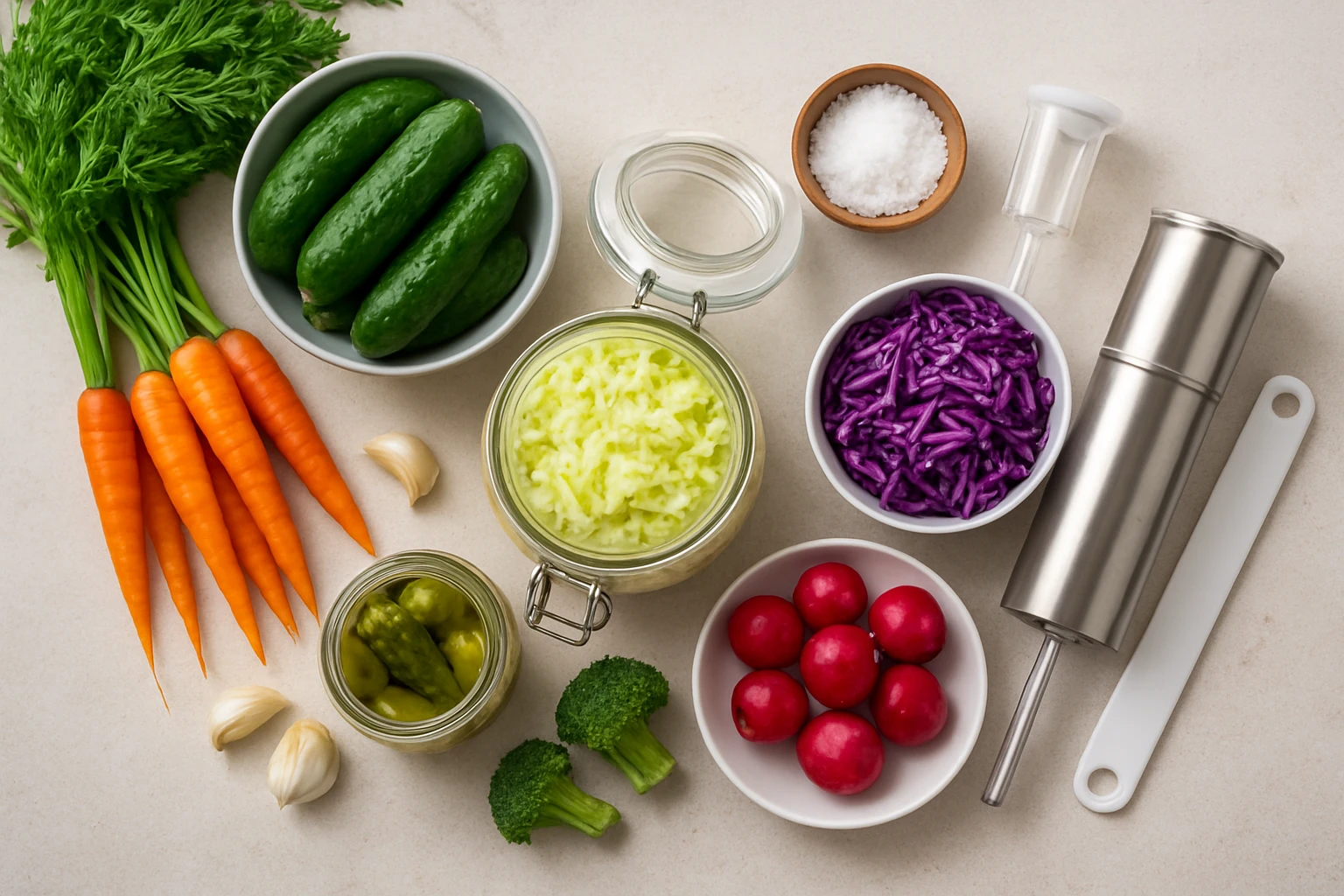

Introduction
This guide presents a month‑by‑month roadmap for fermenting fresh vegetables throughout the year. Readers will learn which crops peak in each season, how to adjust brine ratios for temperature changes, and which tools streamline the process. By the end of the article, one will be equipped to create tangy kimchi in winter, crisp sauerkraut in spring, and vibrant summer pickles with confidence. The information combines scientific principles with practical product recommendations to support both novice and experienced fermenters.
Background and Context
Fermentation is a controlled microbial process in which lactic‑acid bacteria convert sugars into acids, preserving food and enhancing flavor. The key variables are temperature, salt concentration, and oxygen exposure; each influences the speed and character of the final product. Seasonal considerations matter because ambient temperature dictates the optimal fermentation window: cooler months slow activity, while warm months accelerate it. Understanding these fundamentals allows the fermenter to select appropriate containers, lids, and weights that maintain an anaerobic environment.
Month‑by‑Month Fermentation Calendar
January – February (Winter)
Root vegetables such as carrots, beets, and turnips store well in cold months. Because indoor temperatures often hover between 60‑68°F (15‑20°C), fermentation proceeds slowly, producing milder flavors. Use a heavy glass weight to keep vegetables submerged and prevent surface mold. The LKMSWW Fermentation Kit includes 7 oz glass weights that are ideal for dense root batches.
March – May (Spring)
Early spring brings fresh cabbage, radishes, and early‑season greens. Temperatures rise to 65‑72°F (18‑22°C), encouraging brisk lactic‑acid activity. For cabbage, a classic sauerkraut brine of 2 % salt (20 g per litre) yields crisp texture. The dual‑channel airlock in the LKMSWW kit releases CO₂ while keeping oxygen out, a feature that reduces the risk of unwanted yeasts during the rapid spring fermentation.
June – August (Summer)
Summer harvests include cucumbers, tomatoes, peppers, and beans. Ambient heat can push fermentation to 78‑85°F (25‑29°C), which may cause over‑acidification if not monitored. Consider reducing salt to 1.5 % and ferment in a shaded pantry or a temperature‑controlled basement. The VSAPRDT Fermentation Kit provides BPA‑free water airlocks that tolerate higher temperatures without warping, making them suitable for summer batches.
September – November (Autumn)
Autumn delivers pumpkins, squash, and late‑season kale. Cooler evenings (55‑65°F / 13‑18°C) slow fermentation, allowing complex flavor development. This is an excellent time to experiment with spice blends, such as ginger‑garlic or smoked paprika, because the extended fermentation preserves aromatic compounds. The stainless‑steel lids in both kits resist rust from acidic brines, ensuring a reliable seal throughout the longer autumn process.
Comparison and Selection Guide
| Feature | LKMSWW Fermentation Kit | VSAPRDT Fermentation Kit |
|---|---|---|
| Components | 4 wide‑mouth 32 oz mason jars, 4 glass weights, 4 stainless lids, airlocks, silicone stoppers, marker, stickers, rope, brush | 4 glass weights, 4 stainless lids, 4 BPA‑free water airlocks, 5 silicone grommets, 5 silicone stoppers (no jars) |
| Glass Weights | High‑density glass, ~7 oz each | High‑density glass, ~7 oz each |
| Lid Material | 304 stainless steel with silicone gaskets | 304 stainless steel with silicone gaskets |
| Airlock Type | Dual‑channel metal airlock | Dual‑channel BPA‑free water airlock |
| Additional Tools | Marker, stickers, jute rope, tag papers, jar brush | None (focus on core accessories) |
| Price | $24.96 | Price not listed (use Amazon for current price) |
| Rating | 4.4/5 (74 reviews) | 4.5/5 (269 reviews) |
| Best For | Beginners who appreciate organization and visual tracking | Experienced fermenters who already own jars and need core accessories |
Best Practices & Tips
- Maintain a consistent salt concentration; adjust by weight of vegetables and volume of brine.
- Always keep produce fully submerged; use glass weights or a clean stone to eliminate air exposure.
- Label each jar with the date, vegetable type, and any added spices; the marker and stickers in the LKMSWW kit simplify this task.
- Monitor temperature daily; if the room becomes too warm, move jars to a cooler area or use a fermentation fridge set to 60°F (15°C).
- When fermentation is complete, replace the airlock with a silicone stopper for airtight storage; both kits include compatible stoppers.
- Perform a quick taste test after 3‑5 days; if the flavor is satisfactory, transfer to the refrigerator to slow further fermentation.
Frequently Asked Questions
- What is the ideal salt percentage for most vegetables? A 2 % salt solution (20 g per litre of water) works for cabbage, carrots, and beets, while a 1.5 % solution is preferable for delicate cucumbers and summer pickles.
- Can I reuse the fermentation weights? Yes; glass weights are non‑porous and can be rinsed with hot water between batches without losing effectiveness.
- Do I need a special lid for each jar? The stainless‑steel lids supplied in both kits fit standard wide‑mouth mason jars (32 oz) and create an airtight seal when paired with silicone gaskets.
- How long should I ferment sauerkraut? Typical fermentation lasts 2‑4 weeks at 65‑70°F (18‑21°C). Taste after two weeks; if the desired sourness is reached, move the jar to the refrigerator.
- Is it safe to ferment at temperatures above 85°F (29°C)? High temperatures accelerate bacterial activity and can produce off‑flavors. If ambient temperature exceeds 85°F, consider a water‑bath cooling method or ferment in a cooler basement.
- What is the purpose of the dual‑channel airlock? One channel releases CO₂ while the other prevents oxygen ingress, maintaining an anaerobic environment essential for lactic‑acid bacteria.
- Do I need to sterilize the jars and lids? Rinse jars with hot water and briefly soak lids in a dilute bleach solution (1 % sodium hypochlorite), then rinse thoroughly. This reduces unwanted microbes without affecting the fermentation culture.
Conclusion
The seasonal fermentation calendar empowers anyone to turn fresh, locally sourced vegetables into probiotic‑rich foods year round. By aligning crop availability with optimal temperature windows, adjusting brine ratios, and employing reliable tools such as the LKMSWW and VSAPRDT kits, fermenters can achieve consistent quality and explore creative flavor profiles. Whether one is a beginner seeking organized kits or an experienced hobbyist focusing on core accessories, the principles outlined here provide a solid foundation for successful, delicious fermentations.
Products Featured in This Guide
LKMSWW Fermentation Kit
Price: $24.96
Rating: 4.4/5 (74 reviews)
Featured because it offers a complete 41‑piece starter set, including mason jars, glass weights, stainless lids, dual‑channel airlocks, and labeling tools that simplify tracking seasonal batches.
VSAPRDT Fermentation Kit
Rating: 4.5/5 (269 reviews)
Featured for its focus on core fermentation accessories, high‑quality glass weights, and BPA‑free water airlocks that perform reliably in warm summer conditions, making it ideal for experienced fermenters who already own jars.
