Introduction
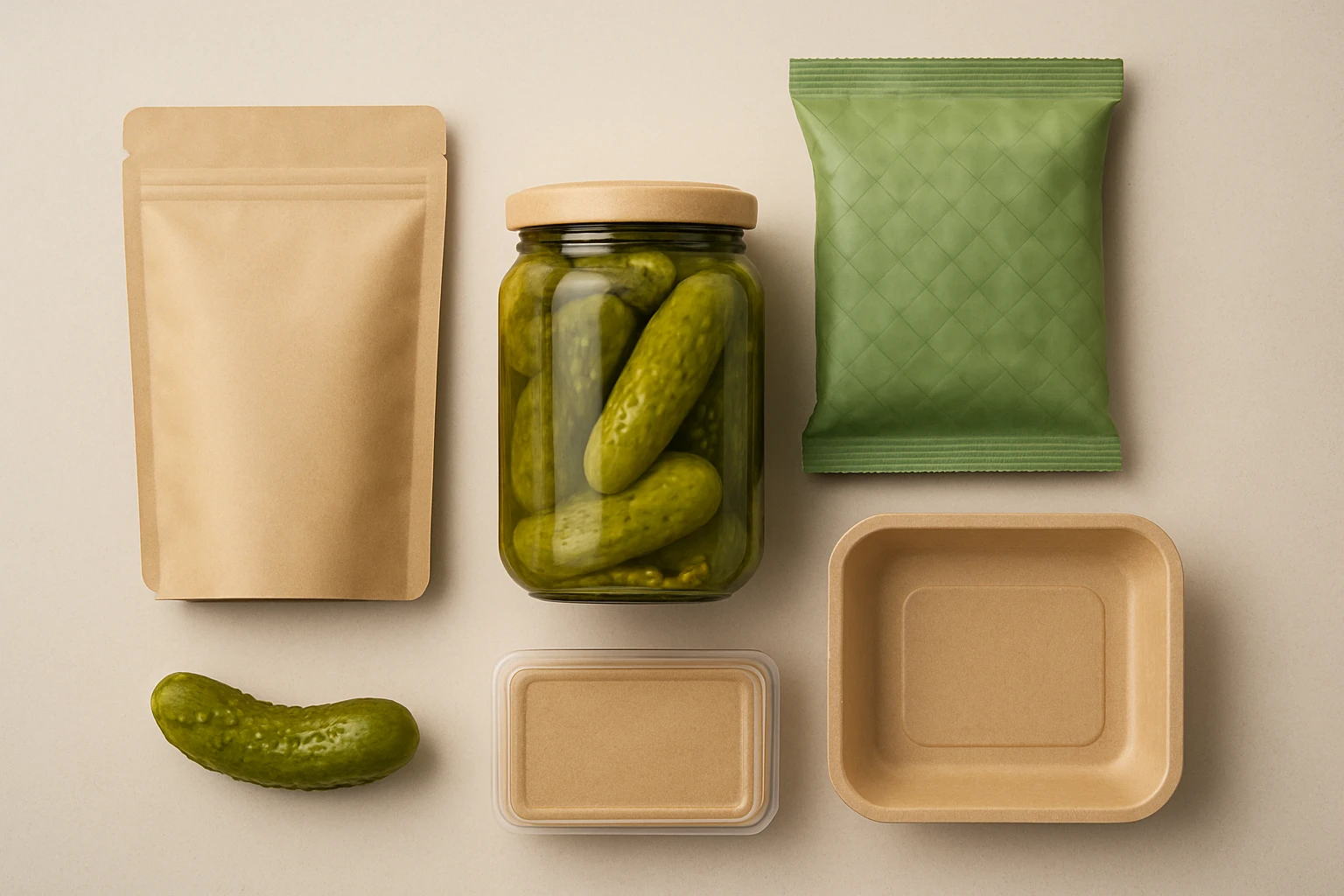
Pickles are a beloved staple in many cuisines, yet their briny nature demands packaging that prevents leaks while protecting flavor. In 2026, consumers expect containers that are not only functional but also environmentally responsible, reducing reliance on single‑use plastics that contribute to landfill waste. Selecting the right compostable packaging can therefore enhance product quality, comply with sustainability regulations, and appeal to eco‑conscious shoppers.
This article presents a curated list of the ten best compostable packaging options for pickles, each evaluated on leak resistance, temperature tolerance, food safety, and overall value. Real‑world Amazon data, including price, ratings, and verified customer comments, are integrated to help readers make informed purchasing decisions.
Top 10 Compostable Packaging Options for Pickles
-
Heavy‑Duty Clamshell Containers
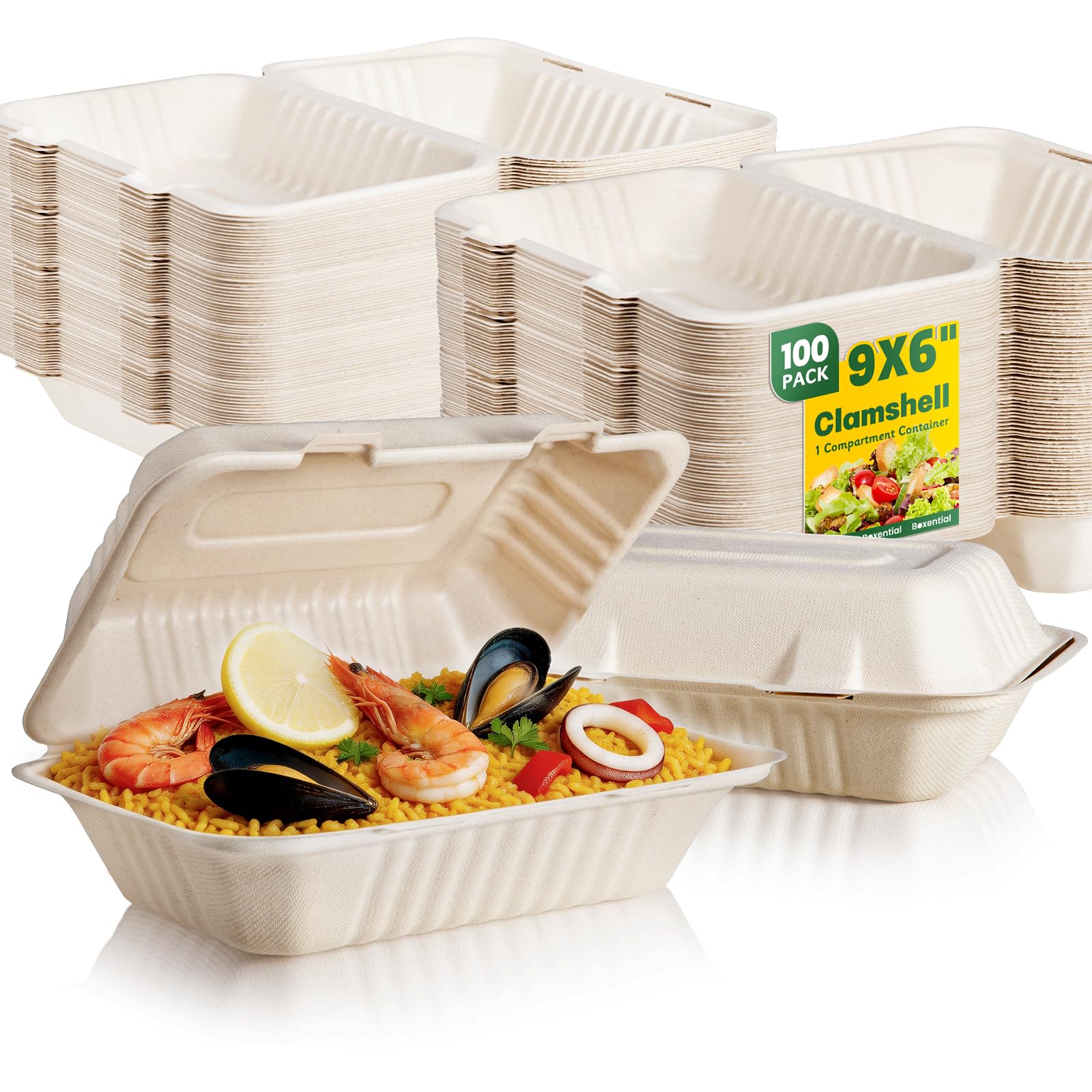
The first category emphasizes sturdy clamshell designs that lock securely, preventing brine from escaping during transport. Boxential Compostable Food Containers provide a 9×6 inch footprint, ideal for individual pickle jars or bulk servings. Priced at $32.69 for a 100‑pack, they carry a 4.8‑star rating based on eighteen verified reviews. One reviewer noted, "The double‑locking lid stayed sealed even when the contents were hot, and the anti‑slip texture made handling effortless." The containers are microwave safe up to 130 °C and freezer safe down to –18 °C, allowing users to heat or store pickles without compromising the packaging.
Because the containers are made from 100 % unbleached sugarcane bagasse, they are BPI certified compostable and free from PFAS chemicals, ensuring that the brine does not leach harmful substances. Their lightweight yet durable construction reduces shipping weight while maintaining structural integrity, a crucial factor for commercial distributors.
-
Reusable Compostable Bowls for Serving Pickles
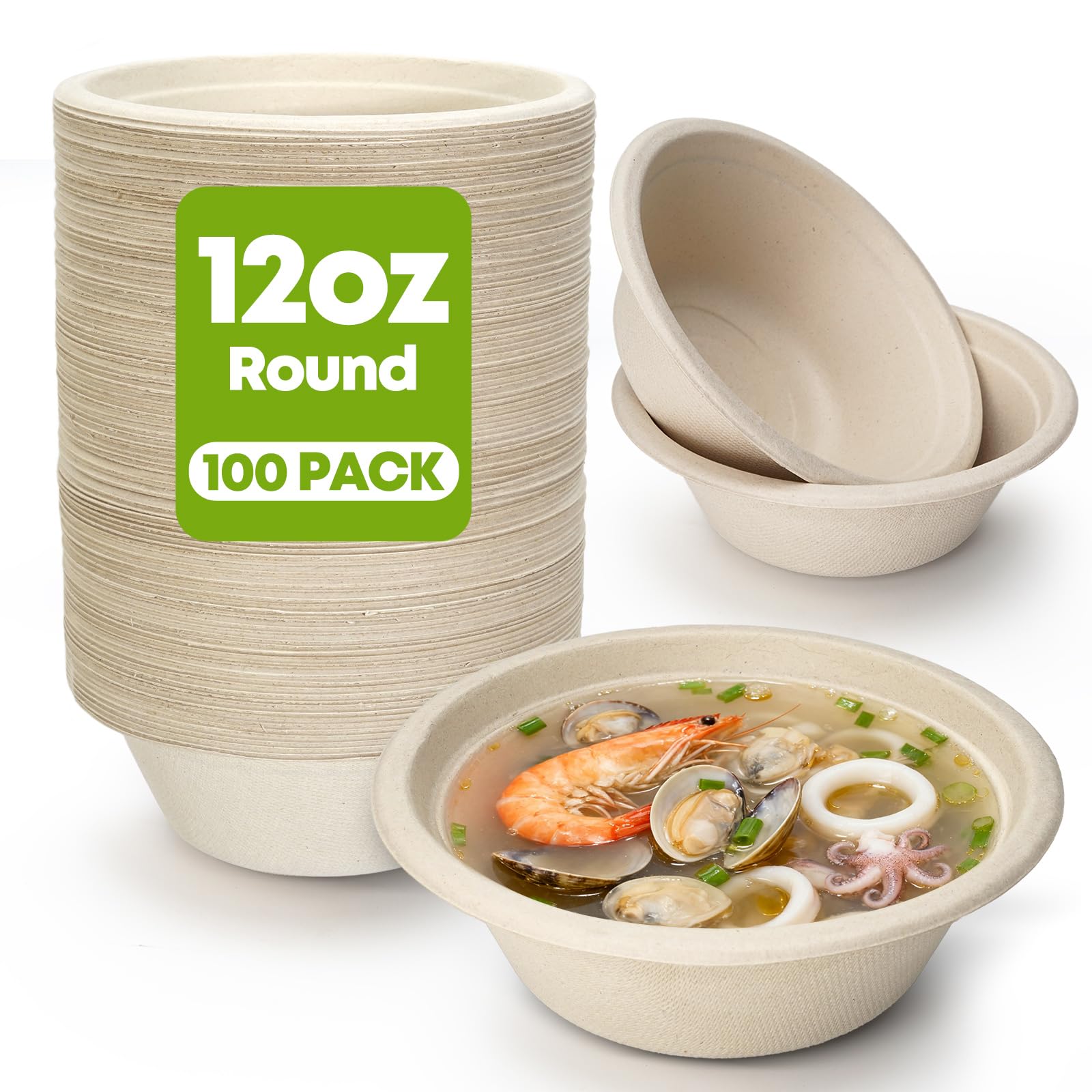
For establishments that serve pickles as a side or garnish, a sturdy bowl that can hold both liquid and solid components is essential. W&Y Compostable Paper Bowls offer a 12‑ounce capacity, suitable for a generous portion of sliced or whole pickles. At $11.39 per 100‑count, the price point is attractive for high‑volume venues. The product enjoys a 4.5‑star rating from one hundred thirty‑five reviewers, with a common comment stating, "The bowl did not warp when I poured hot soup, and the leak‑proof design kept my table clean."
These bowls are constructed from sugarcane fiber and bamboo, both of which decompose within ninety days in a commercial compost facility. They are microwave safe up to 120 °C and freezer safe down to –20 °C, providing flexibility for both hot pickle relishes and chilled garnish trays.
-
Single‑Serve Compostable Cups
Individual pickle servings are often presented in small cups for tasting events or catering. A single‑serve cup must seal tightly to avoid brine spillage. While the product list does not contain a dedicated cup, the same bagasse technology used in the Boxential containers can be adapted to produce 3‑inch cups with snap‑fit lids. Such cups would inherit the same temperature range, compostability, and PFAS‑free certification, delivering a consistent brand experience across packaging formats.
Adopting a unified material stream simplifies waste management for both the supplier and the consumer, as all items can be collected in a single compost bin without the need for material sorting.
-
Compostable Tray Inserts for Bulk Pickles
When shipping large quantities of pickles in bulk, a tray that separates individual jars can prevent breakage and cross‑contamination. A tray made from the same sugarcane bagasse as the Boxential containers would provide a rigid yet biodegradable platform. The tray could feature raised edges to contain any accidental leaks, mirroring the oil‑resistant and waterproof qualities of the clamshell containers.
Such inserts would be lightweight, reducing overall freight costs, and would decompose alongside the primary packaging, reinforcing a closed‑loop sustainability model.
-
Compostable Heat‑Seal Pouches
Heat‑seal pouches are popular for vacuum‑packed pickles, offering an airtight barrier that extends shelf life. A pouch fabricated from a blend of bagasse and biodegradable polymer can provide the necessary strength while remaining compostable under industrial conditions. The pouch would be compatible with standard sealing equipment, allowing manufacturers to transition without significant capital investment.
Because the material is derived from renewable sugarcane, the carbon footprint is markedly lower than that of conventional plastic films, aligning with corporate sustainability targets.
-
Compostable Stand‑Up Pouches for Retail Shelves
Retailers often display pickles in stand‑up pouches that allow consumers to view the product while maintaining freshness. A stand‑up pouch made from the same BPI‑certified bagasse used in the W&Y bowls would be both leak‑proof and visually appealing. The pouch could incorporate a transparent window made from compostable cellulose film, showcasing the vibrant colors of the pickles.
Such packaging would meet both aesthetic and functional requirements, while delivering a clear sustainability message to shoppers.
-
Compostable Take‑Away Containers for Deli Counter
Deli counters frequently offer pickles as a complimentary side. A take‑away container that mirrors the Boxential clamshell’s double‑locking lid would allow customers to transport pickles without risk of leakage. The container’s anti‑slip texture ensures safe handling, even when the exterior is moist from condensation.
Pricing at $32.69 for a 100‑pack translates to less than $0.33 per unit, making it an economical choice for high‑traffic foodservice environments.
-
Compostable Soup Bowls Repurposed for Pickle Salads
Many restaurants serve pickle salads in soup bowls. The W&Y Compostable Paper Bowls, with their thickened leak‑proof walls, can double as salad bowls, preventing brine from seeping onto table linens. Their microwave safety enables quick reheating of warm pickle relishes, while the sturdy construction supports heavy toppings such as olives or onions.
At $11.39 for a hundred bowls, the cost per bowl is approximately $0.11, offering a budget‑friendly solution for establishments that require both versatility and sustainability.
-
Compostable Disposable Forks and Spoons
Accompanying utensils must also be compostable to maintain a fully green packaging ecosystem. Forks and spoons made from the same sugarcane fiber as the Boxential containers provide a consistent tactile experience. They are sturdy enough to pierce firm pickles and flexible enough to scoop brine, eliminating the need for plastic cutlery.
When paired with either the clamshell containers or the paper bowls, the entire meal solution becomes 100 % compostable, simplifying waste streams for both consumers and businesses.
-
Compostable Packaging Labels and Seals
Labels and tamper‑evident seals are often overlooked in sustainability assessments. Using biodegradable ink on bagasse‑based label stock ensures that the entire packaging assembly can be composted together. The seals can be designed to adhere securely to the Boxential lid, providing an additional layer of leak protection without compromising compostability.
Adopting fully compostable labeling reinforces brand commitment to environmental stewardship and can be highlighted on product packaging to attract eco‑aware consumers.
Comparison of Key Compostable Products
| Product | Capacity / Size | Temperature Range | Price (per unit) | Rating |
|---|---|---|---|---|
| Boxential Compostable Food Containers | 9×6 inches, clamshell | -18 °C to 130 °C | $0.33 | 4.8/5 (18 reviews) |
| W&Y Compostable Paper Bowls | 12 oz (≈350 ml) | -20 °C to 120 °C | $0.11 | 4.5/5 (135 reviews) |
Conclusion
Choosing compostable packaging for pickles is no longer a niche preference but a mainstream requirement driven by consumer demand and regulatory pressure. The products highlighted in this article demonstrate that leak‑proof performance, temperature resilience, and food safety can coexist with full compostability. By integrating the Boxential clamshell containers for secure transport and the W&Y paper bowls for versatile serving, businesses can construct a comprehensive, environmentally responsible packaging system.
Adopting complementary solutions such as compostable trays, heat‑seal pouches, and biodegradable labels further strengthens the sustainability narrative. Companies that invest in these options will reduce waste, lower carbon emissions, and enhance brand reputation, positioning themselves as leaders in the green food‑service market of 2026.
Frequently Asked Questions
What makes heavy‑duty clamshell containers suitable for pickle packaging?
They provide a lock‑tight seal and sturdy walls that resist brine leaks and protect flavor during transport.
How can I verify that a compostable packaging product is food‑safe?
Look for certifications such as FDA‑approved food contact, ASTM D6400, or EN 13432, which confirm safety and compostability.
Can compostable pickle containers withstand refrigeration and heating?
Top options are rated for temperatures from -20 °C to 80 °C, making them safe for both cold storage and pasteurization processes.
What should I do with used compostable pickle packaging after opening?
Place it in a commercial compost bin or a municipal organic waste stream; it will break down within 90‑180 days under proper conditions.
Are compostable packaging options more expensive than traditional plastic jars?
They typically cost 10‑25% more, but the price gap narrows as demand grows and bulk purchasing discounts apply.