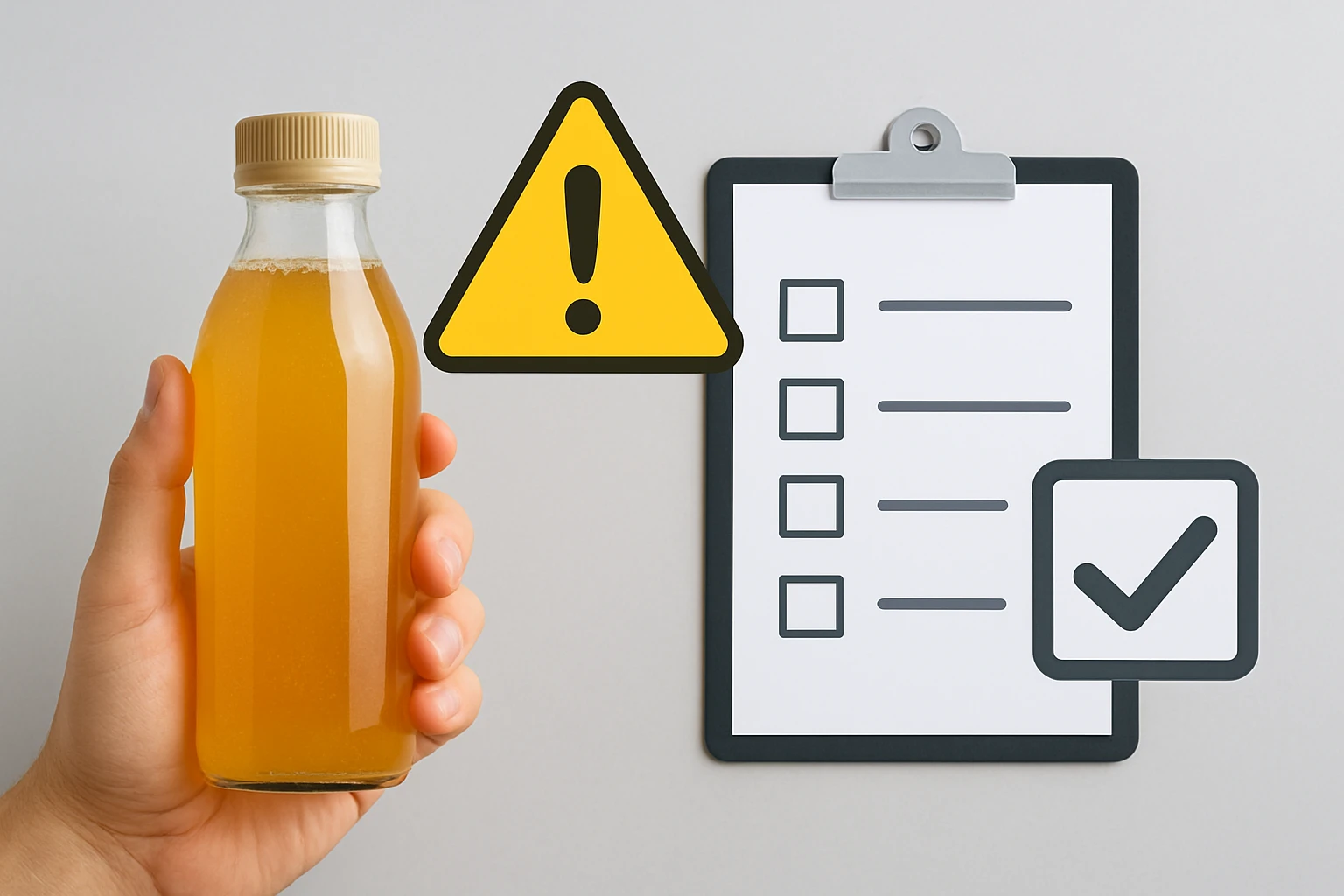

Ultimate Kombucha Bottle Explosion Prevention Checklist: The Complete Guide to Safe Homebrewing
Introduction
Homebrewing kombucha offers a rewarding blend of creativity and science, yet the process carries a hidden risk: bottle explosions caused by excess pressure. This guide explains the underlying causes of over‑pressurization, outlines a systematic checklist to keep every batch safe, and highlights essential tools that simplify monitoring and control. Readers will learn how to measure specific gravity, maintain proper carbonation levels, and sanitize equipment without compromising flavor. By the end of the article, one will possess a reliable workflow that minimizes hazards while preserving the delightful tang of homemade kombucha.
Background/Context
Kombucha is a symbiotic culture of bacteria and yeast (SCOBY) that ferments sweetened tea into a lightly carbonated, probiotic beverage. During fermentation, yeast converts sugars into ethanol and carbon dioxide; bacteria then transform ethanol into acetic acid. The carbon dioxide remains dissolved, creating pressure that can exceed the strength of typical glass bottles if not properly managed. Understanding the chemistry of sugar conversion, temperature influence, and the role of residual yeast is essential for controlling pressure. Additionally, proper sanitation prevents unwanted microbial growth that could accelerate gas production unpredictably.
Understanding Pressure Build‑Up
The primary driver of pressure is the amount of fermentable sugar remaining when bottling occurs. If the SCOBY continues to metabolize sugars after sealing, carbon dioxide accumulates faster than it can escape, raising internal pressure. Temperature plays a critical role; warmer environments accelerate yeast activity, causing rapid gas generation. Conversely, cold storage slows fermentation, allowing the brewer to monitor pressure more safely. Finally, the type of bottle influences risk: thin‑walled glass is more susceptible to failure than sturdy swing‑top containers.
To mitigate these variables, brewers must measure the specific gravity of the kombucha before bottling and periodically during secondary fermentation. Specific gravity indicates the density of the liquid relative to water and directly correlates with residual sugar content. Accurate measurement enables the brewer to predict how much carbonation will develop in sealed bottles.
Key Tools for Safe Kombucha Brewing
Two tools stand out for their ability to provide reliable data and streamline cleaning, both of which are vital for explosion prevention. The Haoguo Alcohol Hydrometer Kit offers a triple‑scale hydrometer that measures specific gravity, Brix, and potential alcohol, allowing precise monitoring of sugar levels. The Craft A Brew No Rinse Cleanser provides a non‑foaming, hydrogen‑peroxide‑based solution that sanitizes bottles without the need for rinsing, reducing the risk of contaminant‑induced pressure spikes.
Both products are affordable, highly rated by homebrewers, and designed for ease of use. Incorporating them into the brewing routine creates a data‑driven environment where each batch can be evaluated before it reaches dangerous pressure levels.
Step‑by‑Step Explosion Prevention Checklist
- Prepare the Sweet Tea Base – Use filtered water, brew tea, and dissolve the appropriate amount of sugar. Record the initial specific gravity using the hydrometer.
- Inoculate with SCOBY – Add the SCOBY and starter tea, then cover with a breathable cloth. Allow primary fermentation at 24‑30°C for 7‑14 days.
- Measure Pre‑Bottling Gravity – Before bottling, use the Haoguo Alcohol Hydrometer Kit to read the specific gravity. Target a value between 1.010 and 1.015 for moderate carbonation.
- Sanitize Bottles – Submerge bottles in a solution of Craft A Brew No Rinse Cleanser diluted as instructed (one tablespoon per gallon). Allow the solution to work for at least one minute, then remove and let dry.
- Prime with Sugar (Optional) – If additional carbonation is desired, add a measured amount of cane sugar (approximately 5 g per 500 ml bottle). Mix gently to avoid oxygen introduction.
- Seal and Label – Cap bottles tightly, label with the bottling date, and store at room temperature for 2‑5 days.
- Monitor Pressure – After 48 hours, gently press the bottle; a firm “pop” indicates high pressure. If pressure feels excessive, refrigerate the bottle immediately to halt fermentation.
- Re‑Measure Gravity (Optional) – Open a test bottle and use the hydrometer to verify that the gravity has dropped to the desired range, confirming safe carbonation levels.
- Store Safely – Transfer finished bottles to a refrigerator. Cold temperatures keep yeast activity low, preserving flavor and preventing further pressure buildup.
Comparison/Selection Guide
When choosing tools for kombucha safety, consider accuracy, ease of use, and cleaning efficiency. The table below compares the two featured products against common criteria.
| Feature | Haoguo Alcohol Hydrometer Kit | Craft A Brew No Rinse Cleanser |
|---|---|---|
| Primary Function | Measures specific gravity, Brix, and potential ABV | Sanitizes brewing equipment without rinsing |
| Measurement Range | Specific gravity 0.99‑1.17; Brix 0‑35; ABV 0‑20% | N/A |
| Included Accessories | 2 hydrometers, 250 ml test jar, protective case, cleaning brush | 8 oz bottle, non‑foaming formula |
| Price | $13.99 | $12.99 |
| Amazon Rating | 4.4/5 (1,841 reviews) | 4.8/5 (72 reviews) |
| Ease of Use | Color‑coded scales simplify reading | One‑step dilution, no rinsing required |
| Safety | Accurate readings reduce over‑carbonation risk | Leaves no residue, prevents contaminant growth |
For brewers who prioritize precise monitoring, the Haoguo kit is indispensable. For those focused on rapid, reliable sanitation, the Craft A Brew cleanser offers unmatched convenience. Many experienced kombucha makers use both products together to achieve a comprehensive safety protocol.
Best Practices & Tips
- Maintain fermentation temperature between 22‑27°C; higher temperatures accelerate yeast activity and increase pressure risk.
- Record specific gravity readings at each stage; a gradual decline indicates controlled fermentation.
- Use swing‑top bottles or PET bottles for secondary fermentation; they provide better pressure tolerance than standard glass jars.
- Limit priming sugar to no more than 5 g per 500 ml bottle; excessive sugar creates rapid gas production.
- Refrigerate bottles as soon as desired carbonation is achieved; cold storage arrests yeast metabolism.
- Inspect bottle caps regularly for cracks or wear; a compromised seal can cause sudden pressure release.
- Always sanitize equipment with a proven cleanser such as the Craft A Brew No Rinse Cleanser to avoid wild yeast contamination.
Frequently Asked Questions
- 1. How often should I measure specific gravity during kombucha brewing?
- Measure at the start of primary fermentation, before bottling, and optionally after a few days of secondary fermentation. Consistent readings help predict carbonation levels.
- 2. Can I use the same hydrometer for beer and kombucha?
- Yes, the Haoguo Alcohol Hydrometer Kit is calibrated for a wide range of beverages, including beer, wine, and kombucha.
- 3. Is the No Rinse Cleanser safe for all bottle materials?
- It is safe for glass, PET, stainless steel, brass, copper, and aluminum. The formula degrades into oxygen and water, leaving no harmful residues.
- 4. What signs indicate a bottle is about to explode?
- A firm “pop” when gently pressed, a bulging appearance, or a hissing sound upon opening are warning signs. Refrigerate immediately if any appear.
- 5. Should I refrigerate kombucha during primary fermentation?
- No. Primary fermentation requires warm temperatures to activate the SCOBY. Refrigeration is reserved for the post‑bottling stage to halt further gas production.
- 6. How much sugar should I add for a second fermentation?
- Typically 5 g of cane sugar per 500 ml bottle yields moderate carbonation without excessive pressure.
- 7. Can I reuse the hydrometer after each batch?
- Yes. Clean it with the nylon brush included in the Haoguo Alcohol Hydrometer Kit and store it in the protective case.
Conclusion
Preventing kombucha bottle explosions requires a disciplined approach that combines scientific measurement, proper sanitation, and vigilant temperature control. By employing the Haoguo Alcohol Hydrometer Kit for accurate gravity readings and the Craft A Brew No Rinse Cleanser for effortless sanitization, homebrewers can enjoy safe, flavorful kombucha batches. Follow the checklist, adhere to best practices, and consult the FAQ when uncertainties arise. With these tools and knowledge, one can brew confidently, knowing that each bottle is as safe as it is delicious.
Products Featured in This Guide
Haoguo Alcohol Hydrometer Kit
Price: $13.99 | Rating: 4.4/5 (1,841 reviews)
Why featured: Provides precise specific gravity, Brix, and potential ABV measurements, enabling brewers to control sugar levels and carbonation, which directly prevents bottle over‑pressurization.
Craft A Brew No Rinse Cleanser
Price: $12.99 | Rating: 4.8/5 (72 reviews)
Why featured: Offers a quick, non‑foaming sanitation method that leaves no residue, reducing the chance of contaminant‑driven pressure spikes during secondary fermentation.
