Introduction
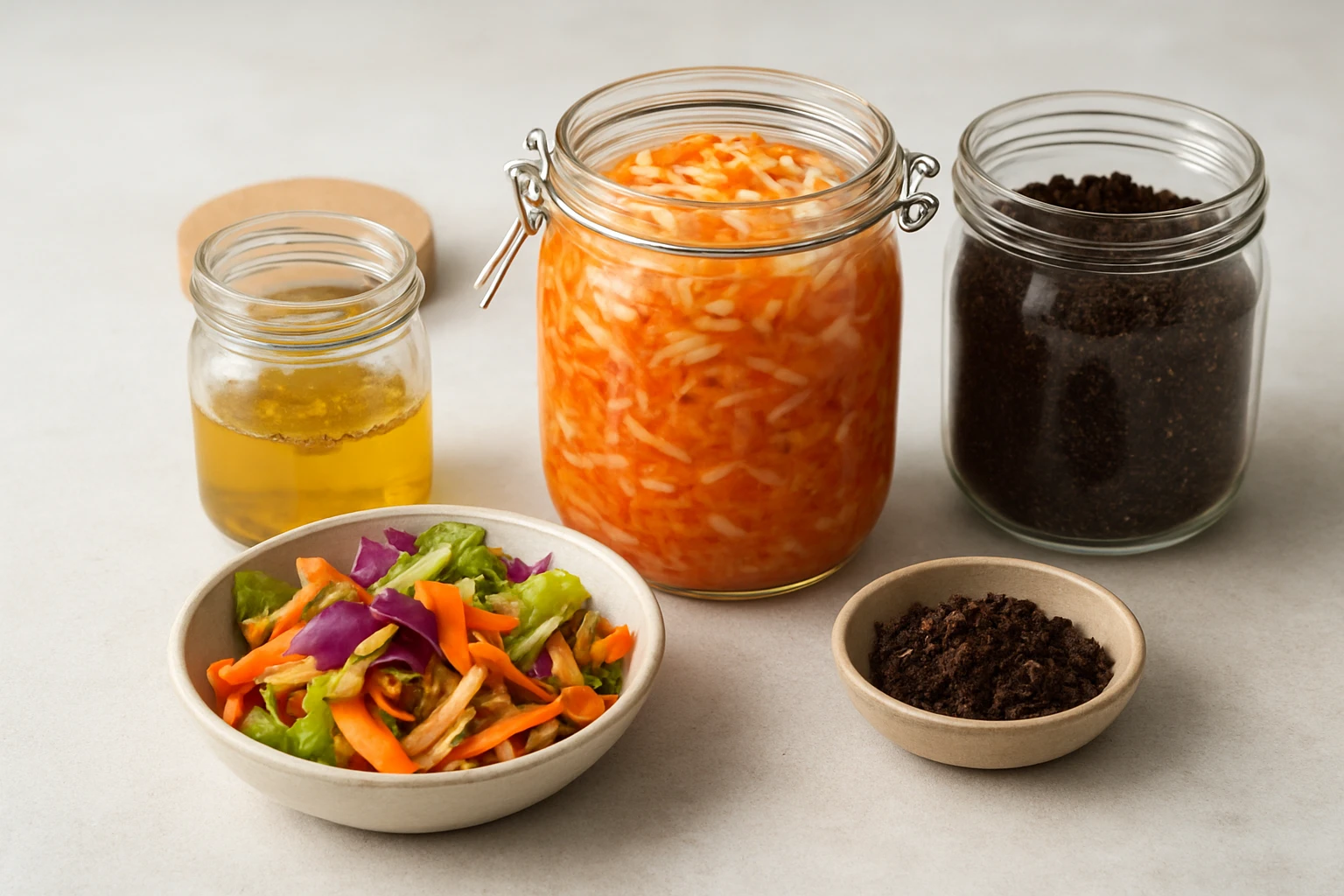
Zero‑waste fermentation combines the ancient art of preserving food with modern sustainability principles. Readers will learn how to extend the life of fermentation containers, transform spent brine into valuable resources, and compost organic residues responsibly. The guide also presents three high‑quality fermentation products that simplify the process while reducing environmental impact.
By the end of this article, one will understand the science behind fermentation, master practical waste‑reduction strategies, and be equipped to select the optimal tools for home‑based fermenting projects.
Background / Context
Fermentation is a metabolic process in which microorganisms convert sugars into acids, gases, or alcohol. The resulting acidic environment preserves vegetables, fruits, dairy, and beverages while enhancing flavor and probiotic content. Traditional methods relied on simple earthenware or glass vessels, making reuse an inherent part of the practice.
In contemporary kitchens, disposable plastics and single‑use accessories have increased waste streams. Adopting zero‑waste habits restores the original ethos of fermentation: reuse, recycle, and compost. Understanding the role of airtight seals, airlocks, and proper sanitation is essential for safe, waste‑minimal fermentations.
Reusing Jars for Fermentation
Glass jars provide a durable, non‑reactive environment for lactic‑acid and alcoholic fermentations. Their transparency allows visual monitoring of brine levels, while thick walls resist pressure from carbon dioxide buildup. When reusing jars, it is crucial to inspect for cracks, retain original lids with functional seals, and sterilize thoroughly before each batch.
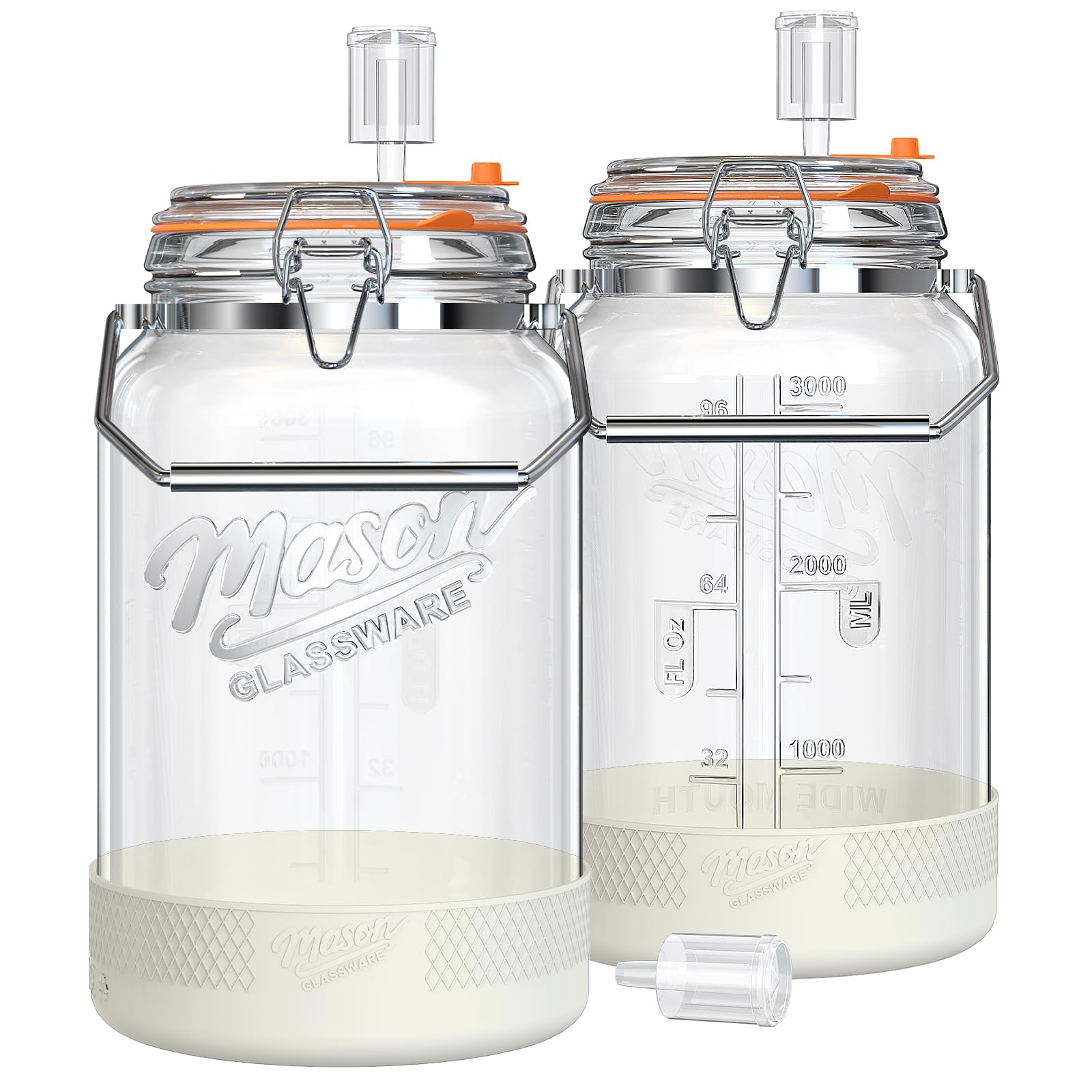
For beginners seeking a ready‑made solution, the Qianfenie 1 Gallon Fermentation Jars include airtight lids, automatic airlocks, stainless steel handles, and non‑slip silicone bases. At $45.99 each, they hold a generous one‑gallon capacity, feature measurement markings, and have earned a 4.9‑star rating from 27 reviewers. The built‑in airlock releases CO₂ while preventing oxygen ingress, eliminating the need for daily pressure checks.
When repurposing jars for storage after fermentation, the same set offers a 2‑in‑1 design: remove the airlock and insert the sealing plug to create an airtight container for dry goods such as oats or coffee. This dual functionality reduces the number of separate storage containers required in a kitchen.
Recycling Brine
Brine, the salty liquid that forms during vegetable fermentation, is rich in electrolytes, organic acids, and beneficial microbes. Rather than discarding it, brine can be reused as a seasoning base, a starter culture for new batches, or a natural preservative for pickles.
The Sovietiep 2 Gallon Fermentation Jar provides ample volume (2 gallons) for large‑scale brine recycling projects. Priced at $28.49 and backed by a 4.8‑star rating from 111 reviews, the jar includes a heavy‑duty screw lid with a silicone gasket and a removable airlock. Its clear scale markings in both ounces and milliliters enable precise tracking of brine concentration during reuse cycles.
To recycle brine safely, filter it through a fine‑mesh sieve, adjust salt content if necessary, and store it in a sterilized container for up to two weeks. The jar’s airtight seal prevents contamination, while the included airlock maintains anaerobic conditions that preserve probiotic activity.
Composting Fermentation Scraps
Vegetable trimmings, spent whey, and spent kombucha SCOBY are valuable compost inputs. Their high nitrogen content accelerates microbial breakdown, producing nutrient‑rich humus for garden beds. However, composting must be balanced with carbon‑rich materials such as dried leaves or shredded newspaper to avoid odor and excess acidity.
Although the Trellis + Co. Fermentation Jar Kit is primarily a lid and weight system for mason jars, it encourages the use of standard wide‑mouth mason jars that are ideal for small‑scale composting of fermentable waste. The kit, priced at $40.70 with a 4.4‑star rating from 396 reviews, features stainless‑steel waterless airlocks that eliminate the need for water‑filled bungs, reducing the risk of mold in composting containers.
Place a layer of fermentable scraps in a clean mason jar, seal with a Trellis + Co. lid, and store in a cool, dark pantry for one to three days. The sealed environment encourages anaerobic breakdown, producing a liquid that can be diluted and used as a foliar feed. After the active phase, transfer the solid residue to a compost bin to complete the decomposition cycle.
Comparison / Selection Guide
| Feature | Qianfenie 1 Gallon Set | Sovietiep 2 Gallon Jar | Trellis + Co. Kit |
|---|---|---|---|
| Capacity | 1 gal per jar (2 pack) | 2 gal single jar | Uses standard 1‑quart mason jars |
| Airlock Type | Automatic one‑way airlock | Reusable silicone airlock | Waterless silicone airlock |
| Material | BPA‑free glass, stainless steel handles | Crystal‑clear glass, lead‑free | 316 medical‑grade stainless steel lids |
| Additional Features | Measurement marks, sealing plug for storage | Scale markings in oz & ml, heavy‑duty lid | PickleHelix weight coils, recipe eBook |
| Price (USD) | $45.99 | $28.49 | $40.70 |
| Average Rating | 4.9/5 (27 reviews) | 4.8/5 (111 reviews) | 4.4/5 (396 reviews) |
| Best For | Medium‑scale vegetable fermentations with storage needs | Large‑batch brine recycling and bulk fermentations | Professional‑grade lids for mason‑jar fermentations and composting |
Choosing the right product depends on batch size, desired reuse options, and personal preference for material safety. Those who prioritize a complete jar‑and‑lid system should select the Qianfenie set. Fermenters needing extra capacity for brine reuse will benefit from the Sovietiep jar. Users who already own mason jars and desire premium, waterless airlocks should consider the Trellis + Co. kit.
Best Practices & Tips
- Sanitize all containers and accessories by boiling for 10 minutes or using a dishwasher’s high‑heat cycle.
- Label each jar with the fermentation start date, ingredient list, and target pH to track progress.
- When reusing brine, maintain a salt concentration of 2–3 % to inhibit spoilage organisms.
- Rotate compostable scraps with carbon‑rich materials to achieve a C:N ratio of roughly 30:1.
- Store finished ferments in the refrigerator within 24 hours of reaching the desired flavor to halt further fermentation.
- Utilize the measurement markings on the Qianfenie jars to monitor liquid levels without opening the lid.
- Take advantage of the waterless airlocks from Trellis + Co. to stack jars safely, conserving cabinet space.
Frequently Asked Questions
- Can I use plastic containers for zero‑waste fermentation? Plastic may leach chemicals, especially with acidic brines. Glass and stainless steel are recommended for safety and durability.
- How long can I store recycled brine? When kept airtight and refrigerated, brine remains viable for 10‑14 days. Longer storage increases the risk of off‑flavors.
- Is it safe to compost whey from kefir? Yes, whey is high in nitrogen. Dilute it with water if the compost becomes overly acidic.
- Do waterless airlocks require maintenance? They are maintenance‑free; simply ensure the silicone valve remains clean and free of food debris.
- What is the ideal temperature range for vegetable fermentation? Most lactic‑acid fermentations thrive between 65°F and 72°F (18°C‑22°C). Temperatures above 78°F may cause undesirable yeasts.
- Can I reuse the same lid on multiple jars? Yes, provided the seal and airlock are inspected for wear and thoroughly cleaned between uses.
- How do I know when a ferment is finished? Taste testing is the most reliable method. The desired sourness, texture, and aroma indicate readiness.
Conclusion
Zero‑waste fermentation is achievable by reusing sturdy glass jars, recycling nutrient‑rich brine, and composting organic residues. Selecting tools that support these practices—such as the Qianfenie 1 Gallon Fermentation Jars, Sovietiep 2 Gallon Fermentation Jar, and Trellis + Co. Fermentation Jar Kit—enhances efficiency and reduces environmental impact. By applying the best‑practice tips and adhering to the FAQ guidance, home fermenters can produce delicious, probiotic foods while honoring sustainable principles.
Products Featured in This Guide
Qianfenie 1 Gallon Fermentation Jars
Price: $45.99 | Rating: 4.9/5 (27 reviews)
Featured for its complete jar‑and‑lid system, measurement markings, and convertible storage plug, making it ideal for reusable fermentations.
Sovietiep 2 Gallon Fermentation Jar
Price: $28.49 | Rating: 4.8/5 (111 reviews)
Featured for its large capacity, dual‑scale markings, and heavy‑duty airtight lid, which are perfect for brine recycling and bulk fermentations.
Trellis + Co. Fermentation Jar Kit
Price: $40.70 | Rating: 4.4/5 (396 reviews)
Featured for its stainless‑steel waterless airlocks and PickleHelix weights, providing a professional‑grade, low‑waste solution for mason‑jar fermentations and composting.

