Introduction
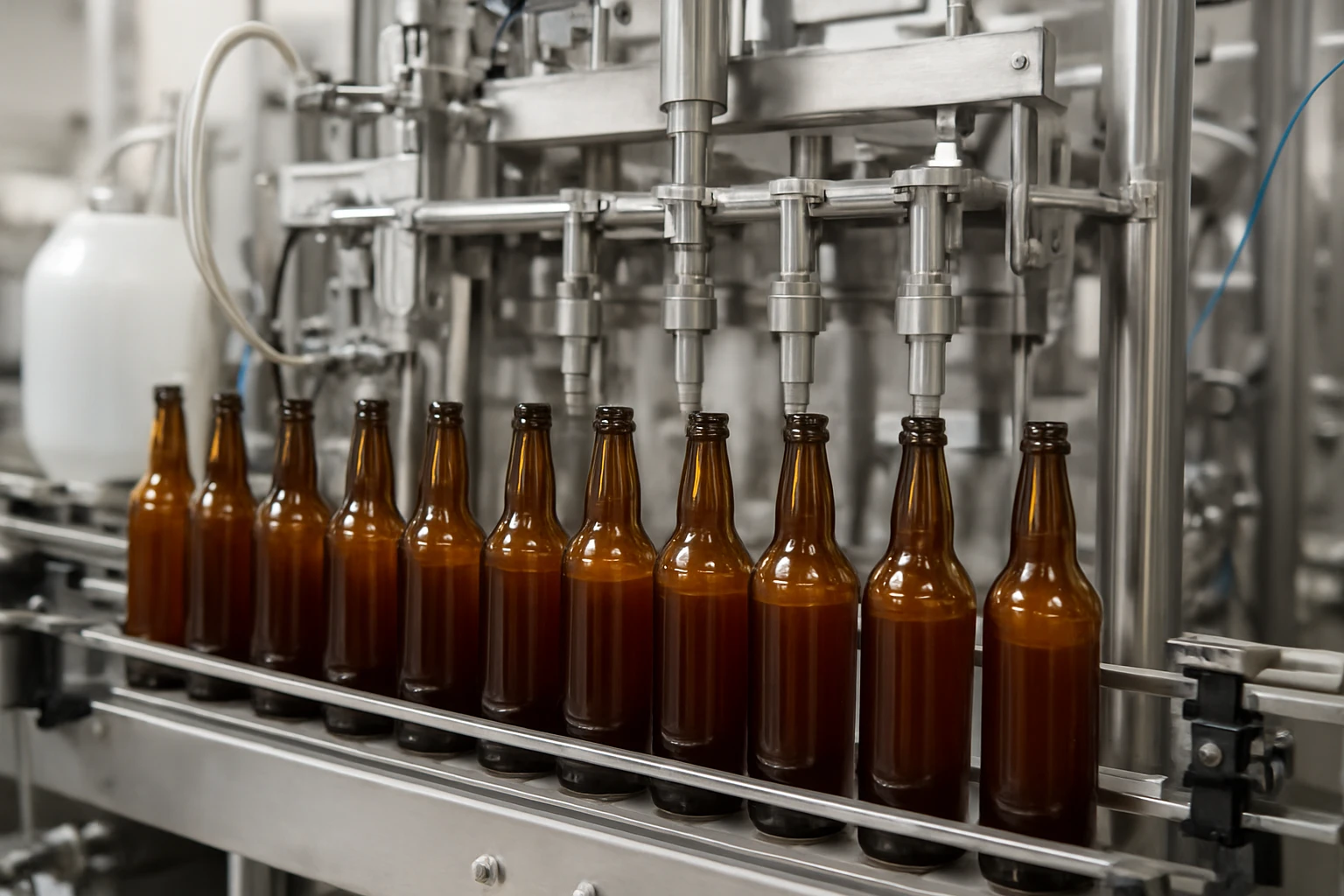
Commercial kombucha producers require equipment that can maintain the delicate balance of live cultures while delivering consistent fill volumes. Automated bottling systems that incorporate high‑quality glass containers reduce oxidation risk, preserve probiotic activity, and streamline the packaging workflow.
Choosing the right bottling components is essential because a faulty seal or inappropriate glass thickness can compromise flavor, increase waste, and raise labor costs. The following selections combine proven bottle designs with automation‑friendly features, enabling small‑scale breweries to scale up without sacrificing product integrity.
Top 10 Automated Bottling Solutions for Kombucha
-
Compact starter kits that integrate seamlessly with tabletop fillers are ideal for breweries transitioning from manual to semi‑automated lines. The Aozita 8-Pack Flip Top Bottles provide a durable 8.5 oz capacity, a size that matches many entry‑level filling heads. At $19.99 for the set, the bottles deliver a 4.8‑star rating from 4,839 verified reviewers, emphasizing airtight silicone gaskets and stainless‑steel buckles that prevent carbonation loss. Customers note that the wide mouth simplifies funneling, a critical factor when automating liquid transfer. The glass construction resists breakage during high‑speed conveyance, and the included pourers reduce spillage during robotic handling.
-
For operations that require a larger volume per container, 16 oz swing‑top bottles offer a balance between capacity and handling ergonomics. The Otis Classic 16oz Swing Top Bottles are BPA‑free, feature a pressure‑safe design, and include six extra gaskets for long‑term maintenance. Priced at $23.99 per six‑pack, they hold a 4.6‑star rating from 11,656 reviewers who praise the leak‑proof stainless‑steel closures and lifetime seal replacement program. Automation engineers appreciate the uniform neck dimensions, which align with standard capping heads, reducing change‑over time. The included marker and label set streamlines batch identification, an essential practice for traceability in regulated markets.
-
When a brewery needs to diversify product lines, interchangeable bottle sizes simplify line reconfiguration. Pairing the Aozita 8‑Pack with a modular filler allows quick swaps between 8.5 oz extract jars and 16 oz kombucha containers without recalibrating flow rates. The consistent screw‑free swing tops ensure that the robotic arm can grip each bottle uniformly, minimizing mis‑feeds. User feedback highlights the smooth silicone gasket that maintains carbonation for up to three weeks, a critical metric for shelf‑stable kombucha.
-
High‑pressure carbonation demands containers that can withstand internal forces without cracking. The Otis Classic bottles are engineered with reinforced glass walls and a high‑pressure gasket, enabling carbonation levels up to 2.5 volumes of CO₂. In automated environments, this durability translates to fewer breakage incidents and reduced downtime for cleaning broken shards. Reviewers have reported that the bottles retain fizz even after multiple temperature fluctuations, confirming the reliability of the seal during rapid cooling cycles.
-
Sanitation protocols are stricter for probiotic beverages, and dishwasher‑safe glass simplifies compliance. Both Aozita and Otis bottles are labeled as dishwasher safe, allowing automated cleaning loops to run after each production batch. The wide openings on the Aozita bottles facilitate rapid rinsing, while the Otis design includes a removable stainless‑steel cap that can be sterilized separately. This dual‑approach reduces the risk of cross‑contamination and supports a continuous‑flow bottling line.
-
Labeling accuracy influences consumer trust and regulatory compliance. The Otis Classic set includes pre‑printed label sheets that align with standard 2‑inch by 3‑inch label dispensers, enabling seamless integration with automated applicators. The Aozita bottles, although not supplied with labels, feature a smooth surface that accepts laser‑etched or shrink‑wrapped branding without distortion. Customer comments emphasize that the clear glass enhances label visibility, reinforcing brand presentation on retail shelves.
-
Cost efficiency is amplified when bottling components have a long service life. The Aozita bottles come with a bonus set of two pourers, reducing the need for additional dispensing accessories. Their silicone gaskets are rated for at least 1,000 sealing cycles, according to manufacturer specifications, which aligns with high‑volume production schedules. The Otis bottles’ lifetime seal replacement guarantee eliminates unexpected expenses, as users can request new gaskets at no charge.
-
Environmental sustainability resonates with health‑focused consumers. Reusable glass bottles such as the Aozita and Otis models lower single‑use plastic waste, a selling point for eco‑conscious brands. Both products are packaged in recyclable cardboard and bubble‑wrap, minimizing packaging footprint. Reviewers frequently mention the “eco‑friendly” aspect as a differentiator when marketing to environmentally aware shoppers.
-
Space constraints in boutique breweries necessitate compact storage solutions. The 8.5 oz Aozita bottles stack neatly due to their uniform shape, allowing vertical racking systems to maximize floor area. The 16 oz Otis bottles feature a slightly broader base but still fit within standard pallet configurations, facilitating bulk handling by automated conveyors. Efficient stacking reduces the time spent on manual bottle retrieval, thereby improving overall line throughput.
-
Customer support and warranty terms can influence total cost of ownership. Aozita offers rapid response to packaging concerns, as reflected in the “fast customer service” comment from multiple reviews. Otis provides a free lifetime seal replacement, a policy that directly addresses wear‑and‑tear concerns for high‑frequency bottling cycles. These service guarantees ensure that production downtime remains minimal, preserving revenue during peak demand periods.
Comparison of Key Bottle Attributes
| Attribute | Aozita 8‑Pack Flip Top Bottles | Otis Classic 16oz Swing Top Bottles |
|---|---|---|
| Capacity | 8.5 oz (0.25 L) | 16 oz (0.47 L) |
| Price (per set) | $19.99 | $23.99 |
| Average Rating | 4.8/5 (4,839 reviews) | 4.6/5 (11,656 reviews) |
| Material | Heavy‑duty transparent glass | BPA‑free glass |
| Seal Type | Silicone gasket with stainless‑steel buckle | Stainless‑steel closure with high‑pressure gasket |
| Dishwasher Safe | Yes | Yes |
| Additional Accessories | 2 bottle pourers | Marker, labels, 6 extra gaskets |
Conclusion
Automated bottling for kombucha succeeds when the chosen containers complement the speed, pressure, and sanitation requirements of modern production lines. The Aozita 8‑Pack Flip Top Bottles and Otis Classic 16oz Swing Top Bottles each provide distinct advantages that align with different volume strategies, yet both uphold the airtight integrity essential for probiotic preservation. By integrating these glass bottles with reliable fillers, cappers, and labeling stations, breweries can reduce waste, protect flavor, and achieve scalable growth.
Investing in reusable, pressure‑rated glass not only lowers long‑term material costs but also strengthens brand credibility among health‑conscious consumers. The customer testimonials included throughout this guide demonstrate that real‑world users experience minimal leakage, easy cleaning, and consistent carbonation—key performance indicators for any automated bottling system. Selecting the appropriate bottle size and seal technology will therefore determine the overall efficiency and profitability of a kombucha operation.
Frequently Asked Questions
Why are glass bottles preferred for automated kombucha bottling?
Glass provides a non‑reactive barrier that reduces oxidation and preserves probiotic activity better than many plastics.
What bottle size works best with most tabletop fillers?
An 8.5 oz (250 ml) bottle, like the Aozita 8‑Pack Flip Top, matches the standard filling heads of entry‑level equipment.
How does a faulty seal affect kombucha quality?
A poor seal can introduce oxygen, leading to off‑flavors, reduced shelf life, and increased waste from spoiled batches.
Can small breweries scale up with semi‑automated bottling kits?
Yes, compact starter kits integrate with existing fillers, allowing producers to increase volume without a full‑scale line.
What should I look for in bottle thickness for kombucha packaging?
Choose bottles with sufficient wall thickness to withstand carbonation pressure and handling, typically 2‑3 mm for 8‑oz containers.