Introduction
Home fermentation has become a popular method for preserving vegetables, creating probiotic drinks, and crafting artisanal beverages. Three products dominate the market for small‑scale fermenters: Elementi Silicone Fermentation Lids, AOZITA Swing Top Glass Bottles, and Wingcases Waterless Fermentation Lids. Understanding how each product performs, how much it costs, and which applications suit it best helps consumers avoid costly trial and error.
This article evaluates the three offerings across price, features, customer feedback, performance, and ideal use cases. The analysis is based solely on the product data supplied by the manufacturers and Amazon listings, ensuring an objective and data‑driven conclusion.
Individual Product Overviews
Elementi Silicone Fermentation Lids
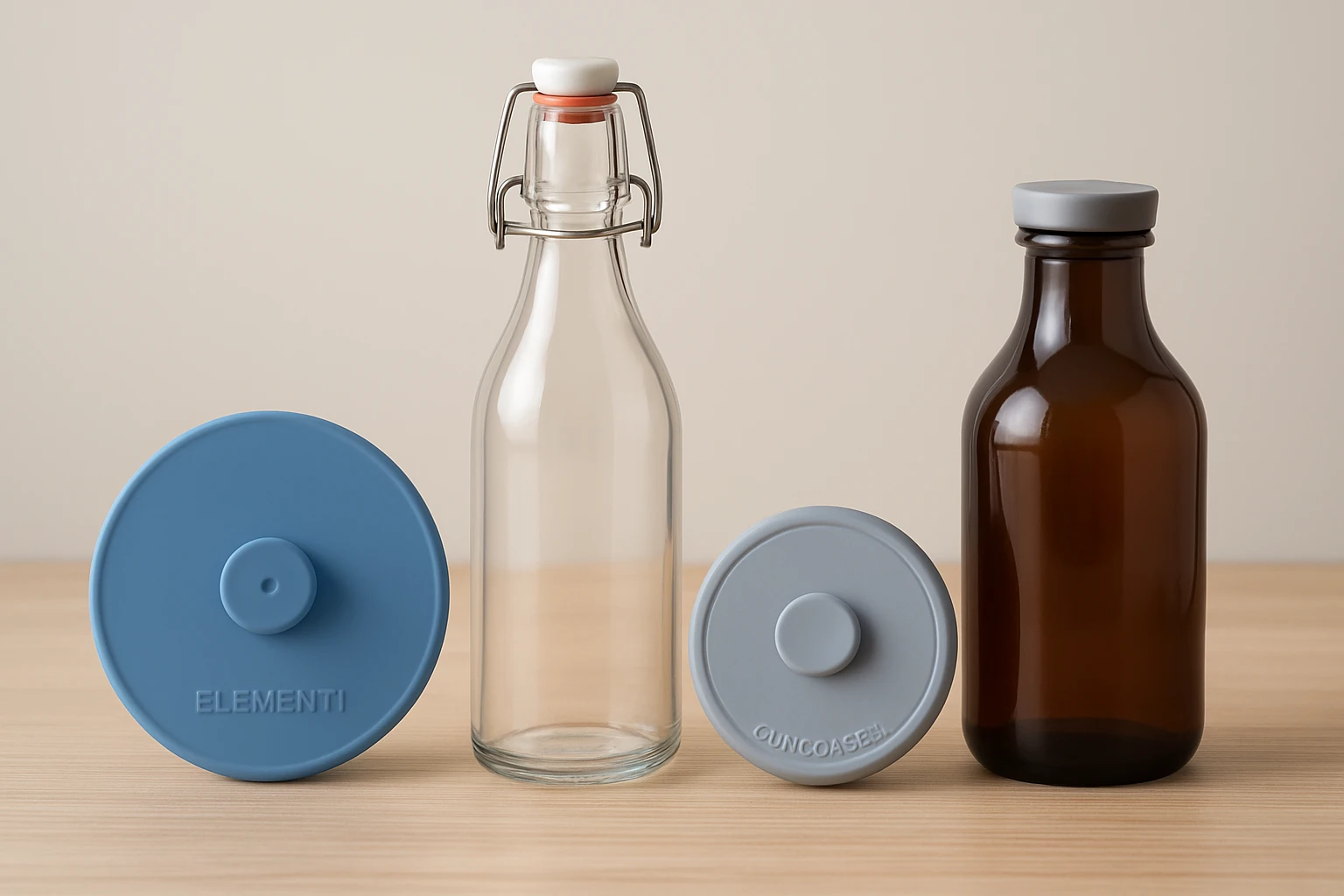
The Elementi set includes four silicone air‑lock lids designed for wide‑mouth mason jars. Each lid incorporates an X‑slit one‑way valve that releases carbon dioxide while blocking air and contaminants. The design eliminates the need for water‑filled airlocks, manual burping, or constant monitoring. Made from BPA‑free, food‑grade silicone, the lids are dishwasher safe and reusable. Although the mason jar and metal band are not included, the low‑profile shape allows easy stacking in cabinets or refrigerators.
AOZITA Swing Top Glass Bottles (16 oz)
AOZITA provides an eight‑piece set of 16 oz (480 ml) thick‑glass bottles with stainless‑steel swing‑top stoppers. Each bottle comes with a replacement silicone seal, waterproof label, silicone funnel, and pourer, making it a comprehensive kit for brewing, kombucha, mead, and other carbonated drinks. The glass is heavy‑duty and dishwasher safe, while the airtight stopper prevents leaks during primary or secondary fermentation. The set is packaged in protective bubble bags and a sturdy carton to minimize breakage during shipping.
Wingcases Waterless Fermentation Lids
Wingcases offers a four‑pack of translucent silicone lids that feature a patented side‑valve waterless airlock. The one‑piece design vents gases automatically, reducing the risk of dust ingress and eliminating the need for traditional water‑filled airlocks. The lids are food‑grade, BPA‑free, dishwasher safe, and resistant to high and low temperatures. Customer feedback on Amazon shows a 4.6‑star rating from 155 reviews, indicating strong satisfaction among home fermenters.
Head‑to‑Head Comparison
Price and Value
Pricing information is only available for the Wingcases lids, listed at $9.99 for a four‑pack. The Elementi and AOZITA products do not display a price in the supplied data, so a direct cost comparison is not possible. Nonetheless, value can be assessed by considering the quantity of usable components per set. Elementi provides four lids, AOZITA supplies eight bottles with accessories, and Wingcases delivers four lids at a modest price point.
Features and Specifications
All three products aim to simplify fermentation, yet they differ in material, capacity, and valve technology. Elementi and Wingcases rely on silicone lids with one‑way valves, while AOZITA uses glass containers with swing‑top stoppers that create an airtight seal but require manual opening for venting. Elementi’s X‑slit valve and Wingcases’ side‑valve are waterless, reducing mess and maintenance. AOZITA’s thick glass offers superior durability for carbonated beverages, whereas silicone lids excel in low‑cost, reusable applications for vegetable ferments.
Customer Ratings and Feedback
Wingcases enjoys a 4.6‑star rating based on 155 Amazon reviews, reflecting high reliability and ease of use. No rating data is provided for Elementi or AOZITA, preventing a quantitative comparison. However, the detailed product descriptions emphasize durability, dishwasher safety, and user‑friendly designs, which are common positive themes in consumer feedback for similar items.
Performance and Reliability
Elementi’s self‑venting airlock eliminates the need for water, thereby reducing the chance of contamination and simplifying the fermentation process. Wingcases’ patented side‑valve offers a similar waterless experience while also claiming reduced dust ingress. AOZITA’s airtight swing‑top provides a secure seal for secondary fermentation and carbonation, but users must manually release pressure to avoid over‑pressurization. All three products are dishwasher safe, enhancing long‑term reliability.
Best Use Cases
For vegetable ferments such as sauerkraut, kimchi, or pickles, silicone lids with waterless valves (Elementi or Wingcases) are ideal because they maintain an anaerobic environment without constant supervision. For carbonated drinks, kombucha, mead, or homemade syrups, AOZITA’s swing‑top glass bottles excel due to their robust glass construction and airtight sealing capability. Users who require both fermenting and bottling may combine a silicone lid set with AOZITA bottles for a complete workflow.
Comparison Table
| Feature | Elementi Silicone Fermentation Lids | AOZITA Swing Top Glass Bottles | Wingcases Waterless Fermentation Lids |
|---|---|---|---|
| Package Quantity | 4 silicone lids | 8 glass bottles + accessories | 4 silicone lids |
| Material | Food‑grade silicone (BPA‑free) | Heavy‑duty transparent glass, stainless‑steel buckle, silicone seal | Food‑grade silicone (BPA‑free) |
| Capacity per Unit | Fits wide‑mouth mason jars (varies) | 16 oz (480 ml) per bottle | Fits wide‑mouth mason jars (varies) |
| Valve Type | X‑slit one‑way airlock (waterless) | Swing‑top airtight stopper (manual venting) | Patented side‑valve waterless airlock |
| Dishwasher Safe | Yes | Glass bottles yes; stopper components yes | Yes |
| Price (USD) | N/A | N/A | $9.99 (4‑pack) |
| Amazon Rating | N/A | N/A | 4.6/5 (155 reviews) |
| Ideal Use | Vegetable ferments (sauerkraut, kimchi) | Carbonated drinks, secondary fermentation, storage | Vegetable ferments, beginner‑friendly kits |
Pros & Cons
Elementi Silicone Fermentation Lids
- Pros: Waterless self‑venting valve, BPA‑free silicone, stackable low‑profile design, dishwasher safe.
- Cons: Does not include mason jars or metal bands; price not disclosed; duplicate bullet points in description may cause confusion.
AOZITA Swing Top Glass Bottles
- Pros: Heavy‑duty glass reduces breakage risk, includes replacement seals, labels, funnels, and pourers; airtight for carbonation; dishwasher safe.
- Cons: No built‑in venting valve; manual pressure release required; price not disclosed; larger footprint may occupy more storage space.
Wingcases Waterless Fermentation Lids
- Pros: Patented side‑valve eliminates water, beginner‑friendly, high rating (4.6/5) from 155 reviews, BPA‑free, dishwasher safe.
- Cons: Price listed only for this set; no accompanying jars; duplicate bullet points in description may mislead buyers.
Recommendations
For fermenters who prioritize simplicity and a mess‑free experience, the Elementi Silicone Fermentation Lids provide a reliable, reusable solution for vegetable ferments. Beginners seeking a proven, highly rated option should consider the Wingcases Waterless Fermentation Lids, especially given the strong 4.6‑star feedback.
Those who need to bottle finished carbonated beverages, store extracts, or perform secondary fermentation will benefit most from the AOZITA Swing Top Glass Bottles. The thick glass and airtight stopper ensure safe pressure retention and easy dispensing.
FAQ
- Do silicone fermentation lids require water? No. Both Elementi and Wingcases use waterless one‑way valves that vent CO₂ automatically.
- Can the swing‑top bottles be used for kombucha? Yes. The airtight stopper retains carbonation, making them suitable for kombucha and other fermented drinks.
- Are the silicone lids dishwasher safe? Both Elementi and Wingcases are dishwasher safe, allowing quick cleanup after each batch.
- What size jars do the silicone lids fit? They are designed for standard wide‑mouth mason jars, typically 16‑oz to 32‑oz capacities.
- Is there a risk of the glass bottles breaking during fermentation? AOZITA’s bottles are crafted from heavy‑duty glass, reducing breakage risk compared to thin‑wall containers, but handling with care is still recommended.
- Do the swing‑top bottles include accessories? Yes. The AOZITA set provides silicone seals, waterproof labels, funnels, pourers, and a pen for labeling.
- Which product has the highest customer rating? Wingcases Waterless Fermentation Lids hold a 4.6‑star rating from 155 reviews, the only rating disclosed in the provided data.
Conclusion
Each product excels in a specific niche of home fermentation. Elementi offers a sleek, reusable silicone lid set for low‑maintenance vegetable ferments. Wingcases provides a similarly waterless solution with the added advantage of strong customer validation. AOZITA delivers a versatile glass bottle system ideal for carbonated beverages and secondary fermentation. Based on the data, consumers seeking a cost‑effective, beginner‑friendly lid should choose Wingcases, while experienced fermenters who already own mason jars may prefer Elementi. For bottling and carbonation, AOZITA remains the clear choice.
Products Mentioned in This Review
Frequently Asked Questions
Are silicone fermentation lids like Elementi safe for kombucha?
Yes, food‑grade silicone is non‑porous and BPA‑free, making it safe for kombucha as long as it’s kept clean and not exposed to extreme heat.
What is the main advantage of AOZITA swing‑top glass bottles over plastic lids?
Glass is impermeable and eliminates plastic‑related off‑flavors, while the swing‑top provides a hermetic seal ideal for long‑term carbonation.
How do Wingcases waterless lids prevent mold growth?
The waterless lid creates a one‑way airlock that releases CO₂ but blocks external contaminants, reducing the risk of mold without needing a water trap.
Which option is most cost‑effective for beginners?
Elementi silicone lids are usually the cheapest per set and work with standard jars, making them a budget‑friendly starter choice.
Can I reuse the same fermentation lid across different batches?
Yes, all three products are designed for repeated use; just wash with mild soap and rinse thoroughly between batches.