Introduction
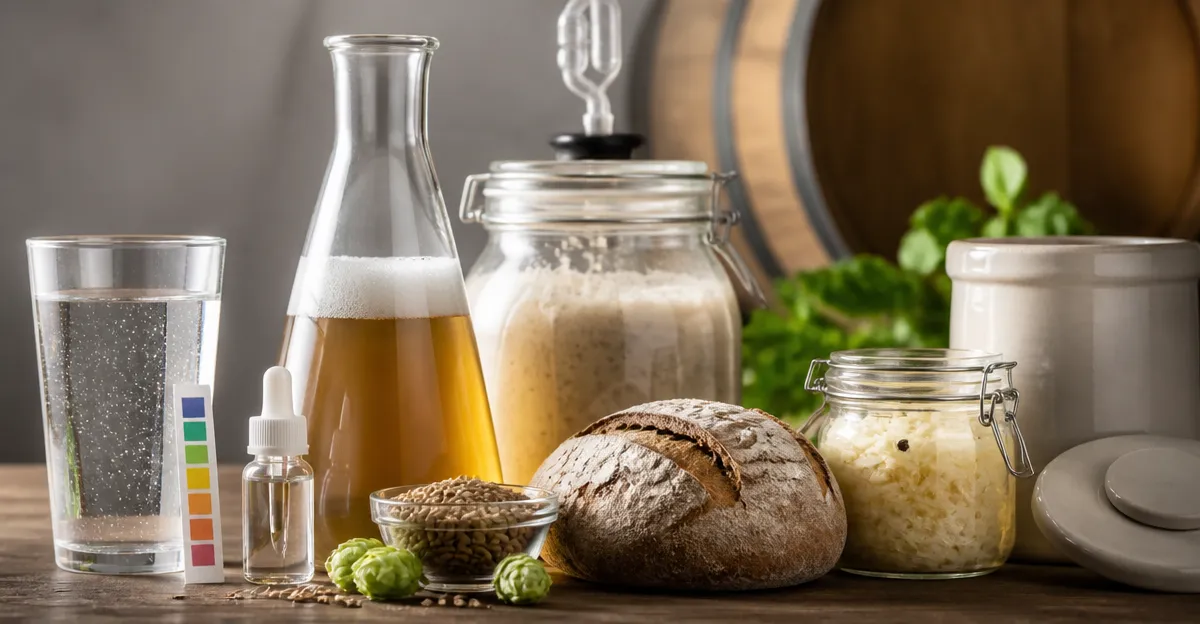
Hard water is a common challenge for anyone who works with fermentation, whether one is brewing beer, baking bread, or crafting homemade sauerkraut. This guide explains how mineral composition influences yeast activity, enzyme function, and flavor development. Readers will learn the science behind hardness, practical methods to assess water quality, and actionable steps to mitigate adverse effects. By the end of the article one will be equipped to make informed decisions that improve consistency and taste across all fermentation projects.
Background and Context
Water hardness primarily refers to the concentration of calcium (Ca²⁺) and magnesium (Mg²⁺) ions dissolved in the water supply. These minerals originate from the geological strata through which groundwater flows, and they are measured in parts per million (ppm) or as grains per gallon (gpg). While moderate hardness can enhance flavor stability in certain beers, excessive levels interfere with yeast metabolism, gluten development, and bacterial cultures. Understanding the baseline hardness of one’s water is therefore a prerequisite for any serious fermenter.
Impact of Hard Water on Brewing
In brewing, calcium contributes to enzymatic efficiency during the mash, but high magnesium can suppress yeast fermentation rates. When the water contains more than 150 ppm calcium, the pH of the wort may drop too quickly, leading to a thin body and muted hop bitterness. Conversely, low hardness can result in a flat mouthfeel and reduced protein precipitation, causing haziness in the final product. Brewers often adjust water profiles with brewing salts or employ reverse‑osmosis systems to achieve the desired balance.
For home brewers who lack sophisticated equipment, the VibeEsece Water Test Kit provides a cost‑effective way to monitor calcium, magnesium, and other critical parameters. The kit includes 23 tests, covering hardness, pH, and trace metals, enabling one to pinpoint which adjustments are necessary before each brew day.
Impact of Hard Water on Baking
In bread making, calcium strengthens gluten strands, while magnesium relaxes them, creating a delicate balance that determines dough elasticity. Excessive hardness can cause the dough to become overly stiff, limiting gas retention and resulting in a dense crumb. On the other hand, very soft water may produce a slack dough that spreads excessively during proofing, yielding a flat loaf with poor oven spring. Professional bakers often use water treatment tablets to standardize hardness, but home bakers can achieve similar results with simple dilution or mineral addition.
The comprehensive testing offered by the VibeEsece Water Test Kit allows bakers to measure hardness alongside pH, which is crucial for sourdough starter health. By testing weekly, one can adjust the starter’s feeding water to maintain optimal fermentation conditions.
Impact of Hard Water on Home Fermentation (Vegetables, Kombucha, Yogurt)
Fermented vegetables rely on lactic‑acid bacteria that thrive in a mildly acidic environment; calcium can buffer this acidity, slowing the pH decline. When water hardness exceeds 200 ppm, the fermentation may stall, producing off‑flavors and a mushy texture. Kombucha cultures are particularly sensitive to mineral overload, as high calcium interferes with the symbiotic balance of yeast and bacteria, leading to thin, weak tea. Yogurt cultures also prefer softer water to allow proper protein coagulation during incubation.
Using the VibeEsece Water Test Kit, home fermenters can track hardness, nitrate, and chlorine levels, ensuring that the water does not inhibit microbial activity. The kit’s 155 strips support repeated testing across multiple batches, providing confidence that each fermentation starts with ideal water quality.
Comparison and Selection Guide for Water Test Kits
When choosing a water test kit, consider the breadth of parameters, the number of test strips, accuracy, and user‑friendliness. A 23‑in‑1 kit such as the VibeEsece model covers the most relevant indicators for fermentation, including hardness, pH, lead, iron, and chlorine. Competing kits may offer fewer tests but claim higher precision; however, for most home fermenters the convenience of a single, comprehensive kit outweighs marginal gains in laboratory‑grade accuracy.
Key selection criteria include:
- Number of tests – at least 20 parameters for comprehensive coverage.
- Strip count – sufficient strips for routine monitoring; 155 strips provide ample supply for a year of weekly testing.
- Ease of reading – clear color chart printed on the bottle reduces interpretation error.
- Customer feedback – a rating of 4.5 out of 5 from 119 reviewers indicates reliable performance.
Based on these factors, the VibeEsece Water Test Kit emerges as the most balanced option for brewers, bakers, and fermenters seeking a single solution.
Best Practices & Tips for Managing Hard Water
Beyond testing, several practical steps can mitigate the impact of hard water on fermentation:
- Pre‑boil water to precipitate temporary hardness (carbonate‑bound calcium and magnesium).
- Use a dedicated filtration system, such as a carbon‑block or reverse‑osmosis unit, to remove both hardness and chlorine.
- Blend hard and soft water to achieve a target hardness of 50–100 ppm, which is generally optimal for most fermentations.
- Adjust pH with food‑grade acids (phosphoric or lactic) after testing, especially for sourdough starters and kombucha.
- Document water test results alongside each batch log to correlate water quality with flavor outcomes.
Implementing these practices in conjunction with regular testing using the VibeEsece Water Test Kit will dramatically improve consistency and product quality.
Frequently Asked Questions
1. Does hard water affect yeast viability?
Yes; high calcium and magnesium levels can create an environment where yeast metabolism slows, leading to longer fermentation times and reduced alcohol yield.
2. Can I use tap water without treatment for sourdough?
It is possible, but one should test hardness and chlorine; if hardness exceeds 150 ppm or chlorine is present, the starter may become sluggish.
3. How often should I test my water?
For active fermenters, weekly testing is advisable; for occasional brewers, testing before each new recipe is sufficient.
4. Is the VibeEsece kit suitable for detecting lead?
Yes; the kit includes a lead test strip, allowing users to verify that their water meets safety standards before consumption.
5. What is the shelf life of the test strips?
When stored in a cool, dry place, the strips remain accurate for up to two years from the date of purchase.
Conclusion
Hard water presents both challenges and opportunities for fermentation, influencing flavor, texture, and microbial activity across brewing, baking, and vegetable fermentations. By understanding the chemistry of hardness, employing regular testing with a comprehensive kit, and applying practical water‑treatment techniques, one can harness the benefits of minerals while avoiding their pitfalls. The VibeEsece Water Test Kit offers an affordable, user‑friendly solution that empowers fermenters to maintain optimal water quality and achieve consistent, high‑quality results.
Products Featured in This Guide
VibeEsece Water Test Kit
Price: $20.18
Rating: 4.5/5.0 (119 reviews)
Why featured: Provides 23‑in‑1 testing, including hardness, pH, and trace metals, essential for brewers, bakers, and home fermenters seeking reliable water quality data.