Introduction
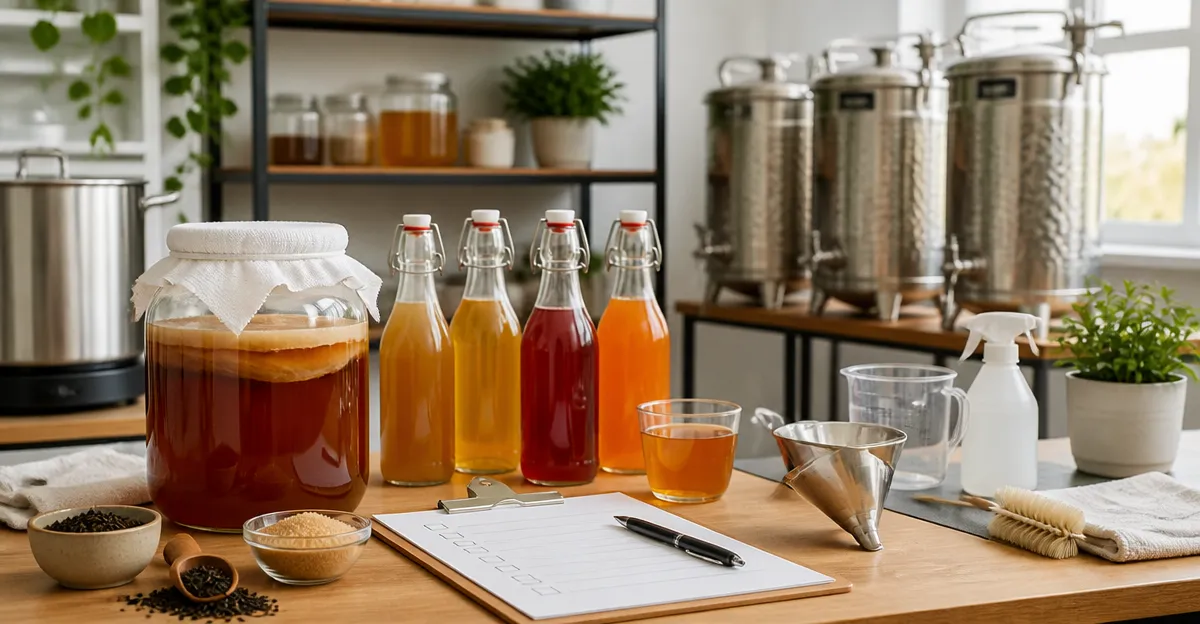
Starting a kombucha microbrewery can appear daunting, yet a systematic checklist transforms ambition into achievable milestones. This guide outlines every essential step, from selecting appropriate vessels to mastering sanitation protocols. Readers will acquire a clear roadmap, understand the scientific principles of fermentation, and discover equipment that accelerates progress. By the conclusion, one will possess the confidence to launch a small‑scale kombucha operation with minimal trial and error.
Background and Context
Kombucha is a symbiotic culture of bacteria and yeast (SCOBY) that converts sweetened tea into a lightly effervescent, probiotic beverage. The process relies on controlled microbial activity, temperature stability, and rigorous hygiene to prevent contamination. Historically rooted in East Asian tea traditions, modern kombucha has evolved into a commercial craft beverage valued for its flavor diversity and health benefits. Understanding these fundamentals equips beginners to troubleshoot issues before they jeopardize a batch.
Equipment Essentials
A reliable microbrewery begins with high‑quality equipment that ensures consistency and safety. The core components include a fermentation vessel, a heating source, a sanitation system, and bottling accessories. Selecting items with proven performance reduces variability and shortens the learning curve. The following products exemplify durable, user‑friendly solutions that complement a kombucha workflow.
- BrewDemon Pro Conical 2 Gal Beer Kit – Although marketed for beer, its conical fermenter provides a sediment‑free environment ideal for SCOBY health.
- Jigger N' Dash 1 Gal Mead Kit – Supplies honey and nutrient blends that can be incorporated as flavor enhancers in kombucha recipes.
- Craft A Brew Oktoberfest 1 Gal Beer Kit – Includes bottling tools and a fermenter that can be repurposed for small‑batch kombucha packaging.
Choosing the Right Fermentation Vessel
The vessel must accommodate the SCOBY, allow gas exchange, and prevent oxygen ingress that could foster mold growth. Food‑grade glass carboys, stainless‑steel fermenters, and conical vessels each offer distinct advantages. Glass provides visual monitoring but can be heavy; stainless steel resists breakage yet is costly; conical designs separate sediment automatically, simplifying cleaning.
For beginners, the conical fermenter included in the BrewDemon Pro Conical 2 Gal Beer Kit offers a practical compromise. Its patented shape channels yeast and bacterial by‑products away from the liquid, reducing the risk of off‑flavors. The kit also supplies a bottle‑filling valve, eliminating the need for a separate siphon.
Key specifications of the conical fermenter:
- Capacity: 2 gallons (approximately 7.6 L)
- Material: BPA‑free, food‑grade plastic with a durable seal
- Included accessories: 1‑quart bottles, filling valve, and a user guide
- Rating: 4.6/5.0 from 74 reviews
Sanitation and Safety Protocols
Sanitation is the single most critical factor in kombucha production; a single contaminated surface can ruin an entire batch. All equipment that contacts the brew must be sanitized with a food‑grade sanitizer such as Star‑San or a diluted bleach solution (1 tbsp per gallon of water). Rinse thoroughly with boiled or filtered water before use.
When handling the SCOBY, wear clean gloves and work in a well‑ventilated area to avoid aerosolized spores. Store the SCOBY in a starter tea solution at room temperature, never in the refrigerator, to maintain its vitality. Regularly inspect the surface for mold, which appears as fuzzy green or black patches; discard any batch showing contamination.
Ingredient Sourcing and Flavor Innovation
The basic kombucha recipe requires tea, sugar, water, and a healthy SCOBY. High‑quality loose‑leaf tea provides richer polyphenols that support microbial growth. Organic cane sugar is preferred for its consistent sucrose content, but alternative sweeteners can be experimented with once the culture is robust.
Honey, a natural fermentable, can be introduced using the Jigger N' Dash 1 Gal Mead Kit. This kit supplies various honey types and nutrient additives that enhance flavor complexity without overwhelming the SCOBY. When adding honey, dilute it with water to match the sugar concentration of a standard batch to avoid osmotic shock.
Flavor infusions such as ginger, berries, or herbs are added during the second fermentation. Use the bottling equipment from the Craft A Brew Oktoberfest 1 Gal Beer Kit to seal bottles securely, allowing carbonation to develop over 2‑5 days at room temperature.
Temperature Control and Fermentation Timing
Kombucha ferments optimally between 24 °C and 30 °C (75‑86 °F). Temperatures below this range slow yeast activity, while higher temperatures may produce excessive acidity. A simple temperature‑controlled space, such as a closet with a thermostat‑regulated heating pad, maintains stability.
Typical primary fermentation lasts 7‑14 days, depending on desired acidity. Conduct daily sensory checks by tasting a small sample; the brew is ready when it balances sweetness and tartness. Record observations in a logbook to refine future batches.
Monitoring and Quality Assurance
Consistent quality requires systematic monitoring of pH, carbonation, and microbial health. A calibrated pH meter should read between 2.5 and 3.5 at the end of primary fermentation. Over‑acidic batches may be diluted with fresh sweet tea before bottling.
Carbonation levels are measured by the “pop” test: gently invert a sealed bottle; a firm “pop” indicates sufficient CO₂. If carbonation is low, add a small amount of sugar (½ tsp per bottle) and allow an additional 24‑48 hours of secondary fermentation.
Comparison and Selection Guide
| Feature | BrewDemon Pro Conical 2 Gal Beer Kit | Jigger N' Dash 1 Gal Mead Kit | Craft A Brew Oktoberfest 1 Gal Beer Kit |
|---|---|---|---|
| Primary Use | Conical fermenter for sediment‑free brewing | Honey and nutrient kit for mead and kombucha flavoring | Complete beer‑making set with bottling tools |
| Capacity | 2 gal (7.6 L) | 1 gal (3.8 L) batch size | 1 gal (3.8 L) batch size |
| Included Bottles | 1‑quart bottles with valve | None | Standard 12‑oz bottles |
| Price | $135.00 | Not listed (use Amazon for current price) | $54.95 |
| Rating | 4.6/5.0 (74 reviews) | 4.7/5.0 (168 reviews) | 4.6/5.0 (3,750 reviews) |
| Best For | Those seeking easy sediment removal and quick bottling | Brewers who want to experiment with honey‑based flavors | Beginners needing a full starter kit with instructions |
Best Practices & Tips
- Begin with a small batch (1 gal) to master the process before scaling up.
- Maintain a strict cleaning schedule; sanitize all tools before each use.
- Document every variable—tea type, sugar amount, temperature—to identify patterns.
- Use the conical fermenter’s bottom valve to harvest finished kombucha without disturbing the SCOBY.
- When adding honey from the Jigger N' Dash 1 Gal Mead Kit, start with 10 % of the total sugar to gauge the SCOBY’s tolerance.
- Store bottled kombucha in the refrigerator after carbonation to halt further fermentation.
- Experiment with seasonal fruits during secondary fermentation, but limit additions to 20 % of the total volume to preserve balance.
Frequently Asked Questions
What temperature range is ideal for kombucha fermentation?
The optimal range is 24 °C to 30 °C (75‑86 °F). Temperatures outside this window affect yeast activity and may produce off‑flavors.
Can I use the fermenter from a beer kit for kombucha?
Yes. The conical fermenter in the BrewDemon Pro Conical 2 Gal Beer Kit is food‑grade and provides excellent separation of sediment, making it suitable for kombucha.
How much honey can I add without harming the SCOBY?
Begin with no more than 10 % of the total sugar content; monitor the SCOBY’s response and adjust in subsequent batches.
What is the purpose of the second fermentation?
Secondary fermentation develops carbonation and allows flavor infusions such as fruit, herbs, or spices to integrate into the final product.
How do I prevent mold growth?
Maintain strict sanitation, use a breathable but contaminant‑blocking cover (cloth or coffee filter), and keep the brew away from direct sunlight.
Do I need an airlock for kombucha?
An airlock is optional; a loose cloth cover permits CO₂ release while blocking contaminants. The conical fermenter’s design reduces the need for an airlock.
Can I reuse bottles from the beer kit for kombucha?
Yes. The bottles supplied with the Craft A Brew Oktoberfest 1 Gal Beer Kit are suitable for secondary fermentation and carbonation.
Conclusion
Establishing a kombucha microbrewery demands careful planning, reliable equipment, and disciplined sanitation. By following the checklist presented, beginners can transition from curiosity to confident production within a few weeks. The recommended products—conical fermenter, honey kit, and complete beer kit—provide versatile tools that streamline each stage of the process. With patience and precise record‑keeping, one can craft flavorful, probiotic‑rich kombucha that meets both personal taste and commercial standards.
Products Featured in This Guide
BrewDemon Pro Conical 2 Gal Beer Kit
Price: $135.00 | Rating: 4.6/5.0 (74 reviews)
Featured because its conical fermenter simplifies sediment removal and includes bottling accessories that are directly applicable to kombucha production.
Jigger N' Dash 1 Gal Mead Kit
Rating: 4.7/5.0 (168 reviews)
Featured for its high‑quality honey and nutrient blends, which enable creative flavor experiments in kombucha without compromising SCOBY health.
Craft A Brew Oktoberfest 1 Gal Beer Kit
Price: $54.95 | Rating: 4.6/5.0 (3,750 reviews)
Featured because it supplies bottling bottles and a valve system that streamline the secondary fermentation and carbonation phases for kombucha.