Introduction
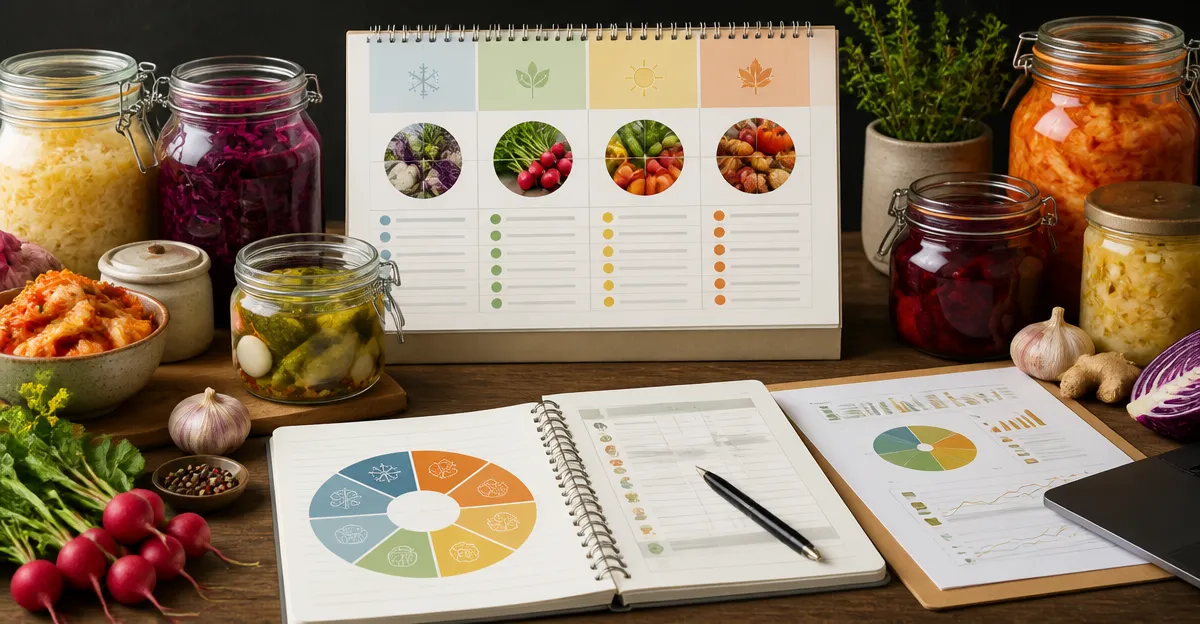
Fermented foods have experienced a surge in popularity, yet many sellers struggle to align promotional activities with seasonal consumer behaviour. This guide presents a systematic, year‑round marketing calendar that enables sellers to anticipate demand spikes, plan content, and allocate resources efficiently. Readers will learn how to integrate market trends, cultural events, and product life‑cycles into a cohesive strategy. The guide also recommends practical planning tools that support disciplined execution.
By following the framework, fermented food entrepreneurs can transform ad‑hoc campaigns into predictable revenue drivers. The calendar is divided into quarterly sections, each highlighting key themes, promotional channels, and measurement tactics. In addition, a comparison of three high‑quality planners is provided to help readers select the most suitable organisational aid.
Background and Context
The fermentation process creates products that are both nutritious and flavorful, appealing to health‑conscious consumers across demographics. Market research indicates that demand for kimchi, kombucha, sauerkraut, and fermented condiments peaks during specific holidays, wellness months, and seasonal cooking periods. Understanding these patterns is essential for timing product launches, limited‑edition packs, and educational content.
Furthermore, the regulatory environment for fermented foods varies by region, requiring sellers to maintain accurate batch records and labeling compliance. A disciplined planning system reduces the risk of missed deadlines and ensures that promotional claims remain substantiated. Digital marketing channels—including email newsletters, social media, and influencer collaborations—offer measurable touchpoints that can be synchronized with the calendar.
Effective seasonal marketing also depends on internal coordination among product development, operations, and sales teams. When each department follows a shared timeline, inventory levels align with promotional peaks, and customer satisfaction improves. The following sections translate these concepts into actionable quarterly plans.
Quarterly Marketing Strategies
Q1 – New Year Wellness and Detox
January through March is characterised by resolutions focused on gut health and detoxification. Fermented beverages such as kombucha and probiotic shots resonate strongly during this period. Sellers should launch a "New Year, New Gut" campaign that combines educational blog posts, recipe videos, and limited‑time discount bundles.
Key promotional tactics include:
- Influencer partnerships with nutrition coaches who can demonstrate daily consumption routines.
- Email series that outlines the scientific benefits of live cultures, using the Heveboik Weekly Productivity Planner to schedule content creation and track performance metrics.
- Social media challenges encouraging users to post their fermentation‑based meals with a branded hashtag.
Metrics to monitor comprise open rates, click‑through rates, and conversion percentages on bundled offers. Adjustments should be recorded weekly to refine targeting.
Q2 – Spring Freshness and Outdoor Gatherings
April to June brings warmer weather and a cultural shift toward picnics, barbecues, and garden parties. Fermented condiments such as kimchi relish, pickled vegetables, and hot sauce become natural accompaniments for grilled fare. A "Spring Flavor Festival" can showcase recipe cards and limited‑edition seasonal flavours.
Recommended actions include:
- Collaborating with local farmers' markets to offer tasting stations, using the JSTORY Undated Monthly Planner to map event dates and logistics.
- Launching a printable "Fermentation Calendar" that highlights weekly themes, such as "Pickle Week" or "Sauerkraut Saturday".
- Running limited‑time promotions tied to national holidays like Earth Day, emphasizing sustainable packaging.
Success should be measured through foot‑traffic counts, coupon redemption rates, and social media engagement spikes. Weekly reviews allow the team to pivot quickly if a particular flavour underperforms.
Q3 – Summer Travel and Convenience
July through September aligns with vacation travel, road trips, and outdoor festivals. Consumers seek portable, shelf‑stable fermented snacks that support digestive health on the go. A "Travel‑Ready Fermentation" line featuring single‑serve sachets can capture this demand.
Strategic steps include:
- Partnering with travel bloggers to feature product placement in packing guides.
- Utilising the Forvencer Academic Planner to allocate budget for travel‑focused advertising and to track inventory turnover during peak weeks.
- Offering bundle discounts that pair fermented snacks with reusable travel containers.
Key performance indicators should focus on average order value, repeat purchase rate, and geographic sales distribution. Real‑time dashboards enable rapid response to regional demand fluctuations.
Q4 – Holiday Gatherings and Gift Giving
October to December culminates in holiday celebrations where fermented foods serve as festive side dishes and thoughtful gifts. A "Holiday Fermentation Gift Set" that includes a variety of sauces, kimchi, and a small fermentation jar can differentiate the brand.
Implementation recommendations:
- Creating a holiday gift guide featuring pairing suggestions for cheese boards and charcuterie.
- Scheduling email countdowns using the Heveboik Weekly Productivity Planner to ensure all creative assets are ready two weeks before major shopping days.
- Launching a social media contest where customers share their holiday table setups, with winners receiving a year‑long supply of fermented products.
Track success through holiday sales lift, average basket size, and user‑generated content volume. Post‑holiday analysis should feed into the next year’s planning cycle.
Comparison and Selection Guide for Planning Tools
Selecting the right planner enhances the ability to execute the seasonal calendar consistently. The three featured products differ in format, durability, and organisational features. The table below summarises the most relevant attributes for fermented food sellers.
| Feature | Heveboik Weekly Planner | JSTORY Monthly Planner | Forvencer Academic Planner |
|---|---|---|---|
| Format | Undated weekly pages, 54 weeks | Undated monthly A4 layout, 16 months | Academic weekly & monthly, July 2026‑June 2027 |
| Size | 8.5" × 11" | 8.46" × 11.61" | 8.5" × 11" |
| Paper Quality | 100 gsm FSC‑certified white paper | 165 g smooth, bleed‑through resistant | Thick, no‑bleed paper, water‑resistant cover |
| Key Organizational Features | 6 focus areas, daily habit tracker, top‑3 priorities | Large square boxes, stitch‑bound, flat‑lay design | Yearly goals page, colored tabs, double‑sided pockets |
| Price | $18.99 | $12.50 | $11.99 |
| Rating (reviews) | 4.7 / 5.0 (287 reviews) | 4.8 / 5.0 (1,410 reviews) | 4.8 / 5.0 (744 reviews) |
For teams that require weekly task segmentation and habit tracking, the Heveboik Weekly Planner offers the most granular structure. Businesses that prefer a broader monthly overview with a flat‑lay design may find the JSTORY Monthly Planner more adaptable. The Forvencer Academic Planner combines weekly detail with academic‑style goal setting, making it ideal for sellers who align marketing objectives with long‑term growth targets.
Best Practices and Tips for Year‑Round Execution
- Synchronise product launches with culturally relevant events; for example, introduce kimchi‑based sauces during Korean New Year celebrations.
- Maintain a central content repository that maps each seasonal theme to specific assets, ensuring that copywriters and designers work from a shared brief.
- Allocate a fixed percentage of the marketing budget to experimental micro‑campaigns; track results in the weekly planner to assess ROI quickly.
- Leverage user‑generated content by encouraging customers to share fermentation recipes; curate the best submissions for future newsletters.
- Conduct quarterly reviews using the planner’s focus‑area sections to evaluate what worked, what did not, and how to adjust the upcoming quarter’s plan.
- Ensure compliance documentation is updated in the planner’s back pocket or double‑sided pocket sections, reducing the risk of regulatory oversights.
By embedding these practices into the daily workflow, fermented food sellers can achieve consistent brand visibility while preserving operational agility. The disciplined use of a high‑quality planner transforms abstract marketing ideas into concrete, measurable actions.
Frequently Asked Questions
- How far in advance should I start planning a seasonal campaign? Ideally, begin at least eight weeks before the target date, using the weekly planner to set milestones for creative development, media buying, and performance monitoring.
- Can I use the same planner for both personal and business planning? Yes; the undated formats allow seamless integration of personal goals and professional tasks, fostering a holistic productivity system.
- What is the benefit of an undated planner for a fluctuating market? Undated planners provide flexibility to start at any point in the year, which is essential when market conditions require rapid schedule adjustments.
- Which planner is most suitable for a small team with limited resources? The JSTORY Undated Monthly Planner offers a cost‑effective solution with a flat‑lay design that simplifies collaborative planning.
- How can I measure the success of my holiday gift set promotion? Track metrics such as unit sales, average order value, and repeat purchase rate during the promotion window, and compare them against baseline figures from the previous year.
- Do the planners support digital integration? While the planners are physical, they can be paired with digital calendar apps by transcribing weekly priorities, creating a hybrid system that leverages both tactile and electronic reminders.
- Is it necessary to purchase a planner for each department? Not necessarily; a single high‑quality planner can be shared across departments if each team records its own focus areas and respects the shared space.
Conclusion
The fermented food market thrives on seasonal relevance, cultural storytelling, and health‑focused messaging. By aligning promotional activities with the quarterly framework outlined above, sellers can capture peak demand, optimise inventory, and build lasting customer relationships. Integrating a reliable planning tool—such as the Heveboik Weekly Productivity Planner, JSTORY Undated Monthly Planner, or Forvencer Academic Planner—ensures that strategic objectives are translated into daily actions. Consistent review, data‑driven adjustments, and community engagement complete the cycle, positioning the business for sustained growth throughout the year.
Products Featured in This Guide
Heveboik Weekly Productivity Planner
Price: $18.99 | Rating: 4.7/5.0 (287 reviews)
Featured for its weekly focus‑area layout, habit‑tracking section, and undated 54‑week format, which align perfectly with the detailed seasonal marketing calendar.
JSTORY Undated Monthly Planner
Price: $12.50 | Rating: 4.8/5.0 (1,410 reviews)
Featured for its flat‑lay A4 monthly layout, high‑quality 165 g paper, and stitch‑bound durability, making it ideal for mapping broader seasonal themes and event logistics.
Forvencer Academic Planner
Price: $11.99 | Rating: 4.8/5.0 (744 reviews)
Featured for its combined weekly and monthly spreads, yearly goals page, and sturdy water‑resistant cover, supporting long‑term strategic planning for travel‑focused campaigns.