Introduction
This guide explains how entrepreneurs can create, package, and sell shelf‑stable fermented condiment kits online. Readers will learn essential microbiology, packaging technologies, and marketing strategies that drive conversion. The article also highlights five high‑quality products that simplify the development process for both beginners and seasoned fermenters. By the end of the guide, one will be equipped to launch a compelling eCommerce offering that balances safety, flavor, and profitability.
Background / Context
Fermentation transforms vegetables into probiotic‑rich foods such as kimchi, sauerkraut, and pickles. The process relies on lactic‑acid bacteria that thrive in an anaerobic, low‑oxygen environment. Shelf‑stable kits must maintain that environment while preventing spoilage, which requires careful control of brine concentration, container seal integrity, and temperature stability.
Consumers increasingly seek functional foods that support gut health, and eCommerce provides a direct channel to reach this audience. However, regulatory compliance, accurate labeling, and reliable packaging are non‑negotiable. Understanding these fundamentals helps businesses avoid costly recalls and builds brand trust.
Designing a Fermented Condiment Kit
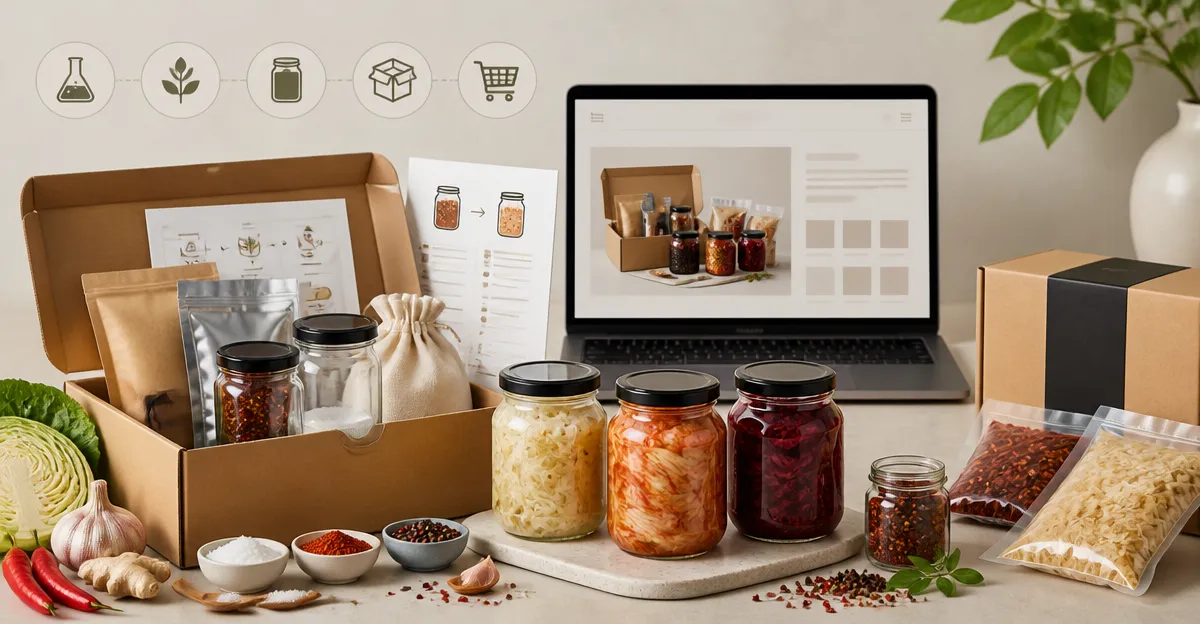
Successful kits combine three core components: a fermentation vessel, a spice blend, and clear instructions. The vessel must allow gas to escape without admitting oxygen, while the spice blend supplies flavor and, in some cases, additional antimicrobial properties.
- Vessel selection: Choose between glass mason jars, ceramic crocks, or modern polymer containers. Each material influences weight, durability, and visual appeal.
- Spice blend: Authentic Korean gochugaru, sea salt, and optional aromatics create a balanced flavor profile and support the growth of beneficial microbes.
- Instructional material: Step‑by‑step guides with photos reduce user error, improve fermentation success rates, and lower support tickets.
Integrating these elements into a single package reduces friction for the end‑user and increases perceived value.
Recommended Products for Kit Assembly
Below are curated products that address each component of a fermented condiment kit. The first mention of each product includes a friendly name linked to its Amazon page.
Fermentation Vessels
The choice of vessel determines how easily a user can manage pressure, monitor progress, and store the final product.
- Masontops Fermentation Kit – A 9‑piece starter set that converts four wide‑mouth mason jars into airtight fermenters. Features air‑lock lids, weighted pebbles, and an acacia wood tamper. Rated 4.8/5 from 4,818 reviews, price $54.95.
- e‑jen Kimchi Fermentation Container – A 1.3‑gal earthenware‑style polypropylene vessel with an inner vacuum lid that minimizes headspace. Double‑lid system prevents odor and supports anaerobic fermentation. Rated 4.7/5 from 4,137 reviews, price $28.99.
- Kenley 1/2 Gal Fermentation Crock – Stoneware crock with a water‑seal lid, built‑in weights, and a wooden pounder. Ideal for small‑batch sauerkraut or kimchi. Rated 4.6/5 from 1,091 reviews, price $49.89.
- Kenley 1 Gal Fermentation Crock – Larger version of the 1/2 gal model, holding up to 6 lb of vegetables. Retains the water‑seal mechanism and includes robust weighting stones. Rated 4.5/5 from 965 reviews, price $59.89.
Spice Component
Authentic Korean gochugaru delivers the characteristic bright red hue and balanced heat required for kimchi.
- Wang Gochugaru – Sun‑dried, coarse‑ground chili flakes with a smoky undertone. Suitable for both seasoning and as a primary flavor agent. Rated 4.6/5 from 1,117 reviews, price $9.99.
Comparison / Selection Guide
| Feature | Masontops Fermentation Kit | e‑jen Kimchi Container | Kenley 1/2 Gal Crock | Kenley 1 Gal Crock |
|---|---|---|---|---|
| Material | Glass jar + plastic lids | Polypropylene (earthenware look) | Stoneware ceramic | Stoneware ceramic |
| Capacity per unit | ~1 quart (per jar) | 1.3 gal (5.2 L) | 0.5 gal (≈3.2 lb veg) | 1 gal (≈5‑6 lb veg) |
| Sealing mechanism | Air‑lock lid (vented) | Inner vacuum lid + outer lid (odor‑free) | Water‑seal lid | Water‑seal lid |
| Included accessories | 4 lids, 4 weights, wood tamper, recipe book | Adjustable inner pressing plate, handle | Weight stones, wooden pounder | Weight stones, wooden pounder |
| Price (USD) | 54.95 | 28.99 | 49.89 | 59.89 |
| Average rating | 4.8/5 | 4.7/5 | 4.6/5 | 4.5/5 |
When selecting a vessel for an eCommerce kit, consider the target consumer’s kitchen space, desired batch size, and aesthetic preferences. Glass‑based systems such as the Masontops kit appeal to users who value visibility, while ceramic crocks convey a traditional, artisanal image. The e‑jen container offers a modern, space‑saving solution with superior odor control.
Best Practices & Tips
- Validate brine concentration: A 2‑3 % salt solution (20‑30 g salt per litre of water) creates an optimal environment for lactobacilli while inhibiting spoilage organisms.
- Maintain anaerobic conditions: Use air‑lock lids or vacuum seals to keep oxygen out. The water‑seal lid on Kenley crocks and the inner vacuum lid on the e‑jen container are proven designs.
- Temperature control: Fermentation proceeds fastest between 65‑72 °F (18‑22 °C). Store kits in a cool pantry or a dedicated fermentation cabinet to avoid temperature spikes.
- Standardize instructions: Include a step‑by‑step guide with photos, a fermentation timeline chart, and troubleshooting FAQ. Clear language reduces user error and improves repeat purchase rates.
- Label accurately: Provide best‑by dates based on typical fermentation periods (7‑14 days for kimchi, 3‑4 weeks for sauerkraut). Include allergen statements for salt and any added spices.
- Leverage visual branding: Use high‑resolution images of the vessel, spice blend, and finished product. Consistent packaging colors reinforce brand identity across listings.
- Offer upsells: Bundle the Wang Gochugaru with the fermentation vessel for a complete starter kit. Consider adding reusable silicone lids or a digital pH meter as premium add‑ons.
Frequently Asked Questions
- Q: How long can a fermented condiment remain shelf‑stable after opening?
A: When stored at 40 °F (4 °C) in a sealed container, most kimchi and sauerkraut retain quality for 2‑3 months. The water‑seal lid on Kenley crocks and the inner vacuum lid on the e‑jen container help maintain freshness. - Q: Do I need a separate brine for each batch?
A: No. The same salted water can be reused for multiple small batches if it remains clear and free of mold. Always top up with fresh salt solution if the brine becomes cloudy. - Q: Can I ferment non‑vegetable items such as fruit?
A: Yes. The air‑lock lids in the Masontops kit and the adjustable inner plate of the e‑jen container accommodate fruit fermentations like watermelon kimchi or spiced apple sauerkraut. - Q: What is the role of gochugaru in kimchi?
A: Gochugaru provides heat, color, and a mild smoky flavor while also contributing to the microbial balance that favors lactobacilli over undesirable bacteria. - Q: Is dishwasher safe?
A: The e‑jen container is explicitly dishwasher safe; the Masontops lids and weights are plastic and can be rinsed. Ceramic crocks should be hand‑washed to preserve the food‑safe coating. - Q: How do I prevent mold on the surface?
A: Ensure vegetables stay fully submerged using the provided weights. The water‑seal lid on Kenley crocks and the air‑lock system on Masontops jars both keep oxygen out, reducing mold risk.
Conclusion
Designing a shelf‑stable fermented condiment kit for eCommerce demands a blend of microbiological insight, thoughtful packaging, and clear consumer guidance. By selecting reliable vessels such as the Masontops Fermentation Kit, e‑jen Kimchi Container, or Kenley crocks, and pairing them with authentic Wang Gochugaru, entrepreneurs can deliver a premium experience that encourages repeat purchases. Adhering to best practices—proper brine ratios, anaerobic sealing, temperature control, and precise labeling—ensures product safety and brand credibility. With the knowledge presented in this guide, readers are ready to launch a compelling fermented condiment line that meets modern health trends and market expectations.
Products Featured in This Guide
Masontops Fermentation Kit
Price: $54.95 | Rating: 4.8/5 (4,818 reviews)
Featured for its complete 9‑piece starter set that converts ordinary mason jars into professional‑grade fermenters, ideal for beginners and small‑batch producers.
e‑jen Kimchi Fermentation Container
Price: $28.99 | Rating: 4.7/5 (4,137 reviews)
Featured for its airtight inner vacuum lid, odor‑blocking double‑lid system, and adjustable pressing plate that creates a reliable anaerobic environment.
Wang Gochugaru
Price: $9.99 | Rating: 4.6/5 (1,117 reviews)
Featured for its premium sun‑dried, coarse‑ground Korean chili flakes that provide authentic flavor, color, and heat essential to traditional kimchi.
Kenley 1/2 Gal Fermentation Crock
Price: $49.89 | Rating: 4.6/5 (1,091 reviews)
Featured for its stoneware construction, water‑seal lid, and included weighting stones and pounder, offering a traditional yet user‑friendly fermentation experience.
Kenley 1 Gal Fermentation Crock
Price: $59.89 | Rating: 4.5/5 (965 reviews)
Featured for its larger capacity, maintaining the same water‑seal technology and accessories, making it suitable for families or small commercial batches.