How to Design a Fermented Foods Tasting Flight for Farmers Markets: Step‑by‑Step Curation, Pairing & Presentation
Introduction
Farmers markets provide a vibrant platform for producers to showcase artisanal foods while educating shoppers about flavor, nutrition, and tradition. This guide teaches the reader how to design a compelling fermented foods tasting flight that attracts attention, encourages conversation, and drives sales. By the end of the article, one will understand how to select appropriate products, create harmonious pairings, arrange an eye‑catching display, and convey the health benefits of fermentation.
Fermented vegetables such as sauerkraut, kimchi, and pickled onions deliver probiotics, vivid flavors, and visual appeal. When presented as a curated flight, they become a storytelling device that highlights regional agriculture and sustainable food practices. The steps below balance creativity with practicality, ensuring the flight can be reproduced week after week.
What You'll Need
- 365 Organic Sauerkraut – 32 oz jar, certified organic, vegan, and kosher.
- Wise Goat Purple Kraut – 16 oz glass jar, probiotic‑rich, raw and unpasteurized.
- Mother‑in‑Law's Vegan Kimchi – 16 oz jar, vegan adaptation of a classic recipe.
- Jeff's Garden Pickled Red Onions – 12 fl oz jar, crisp and tangy.
- Fermented Vegetables Cookbook – reference guide for additional recipes and techniques.
- Reusable wooden board or slate platter, small tasting spoons, label cards, and a portable cooler with ice packs.
Step 1: Define the Theme and Narrative
Begin by deciding on a unifying concept for the flight. Themes may focus on regional produce (e.g., Pacific Northwest cabbage varieties), health benefits (probiotic boost for gut health), or culinary contrast (sweet‑sour versus spicy). Write a brief narrative that can be printed on a small card; this narrative will guide product selection and help vendors tell a cohesive story.
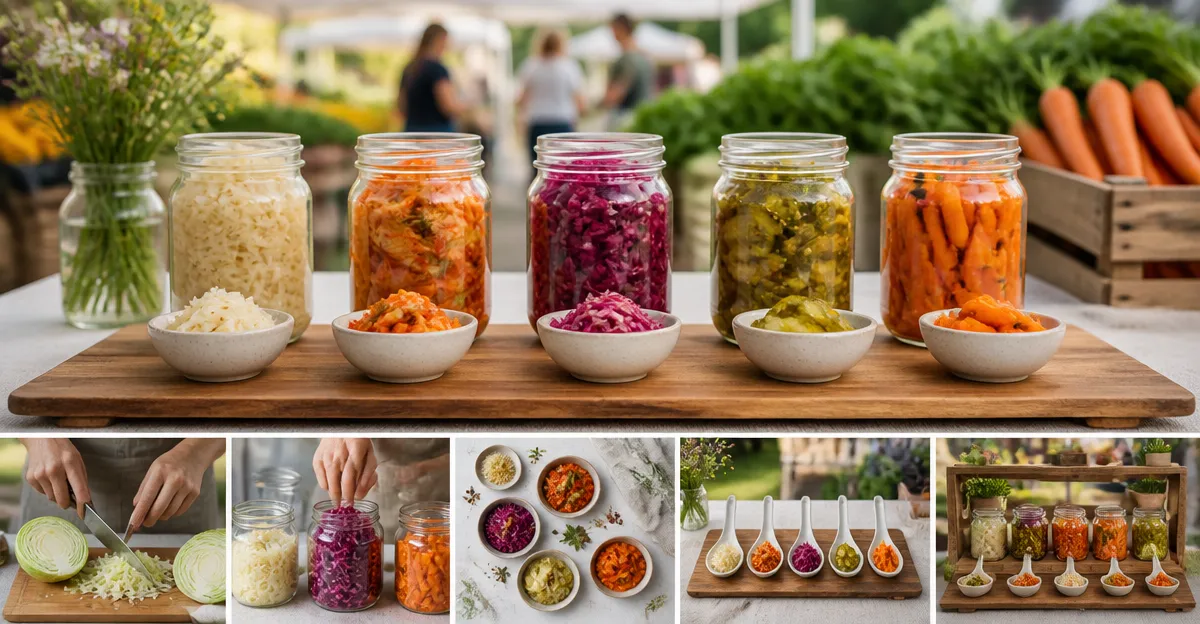
A clear theme simplifies the pairing process and gives shoppers a memorable hook. For example, a "Colorful Probiotic Palette" theme highlights the visual spectrum from white sauerkraut to purple kraut and red onions, reinforcing the idea that fermented foods are both nutritious and aesthetically pleasing.
Step 2: Select Fermented Products that Fit the Theme
Choose three to five fermented items that complement each other in flavor, texture, and appearance. The following products have proven popularity, strong ratings, and distinct characteristics that make them ideal for a tasting flight.
- 365 Organic Sauerkraut – Priced at $5.79 with a 4.5‑star rating from 4,948 reviews, this classic cabbage kraut offers a clean, tangy profile and a large 32 oz family size. Its certified organic, kosher, and vegan status assures shoppers of high quality and broad dietary compatibility. The jar’s generous volume reduces per‑sample cost, making it economical for market vendors.
- Wise Goat Purple Kraut – At $12.99 and a 4.4‑star rating from 279 reviews, this purple cabbage variety adds vibrant color and a slightly fruity, peppery nuance. The raw, unpasteurized fermentation preserves live cultures, and the glass jar signals premium craftsmanship. Its unique anthocyanin‑rich hue creates visual contrast that aligns with a “rainbow” theme.
- Mother‑in‑Law's Vegan Kimchi – Priced at $10.19 with a 4.3‑star rating from 2,265 reviews, this kimchi delivers a balanced blend of mild spice, umami depth, and crunchy texture. The vegan formulation broadens appeal to plant‑based consumers while retaining the authentic Korean fermentation process.
- Jeff's Garden Pickled Red Onions – For $9.99 and a 4.5‑star rating from 784 reviews, these onions provide a sweet‑tart counterpoint to the savory krauts. Their crisp bite and bright red color enhance both flavor complexity and visual interest.
- Fermented Vegetables Cookbook – At $14.79 with a 4.7‑star rating from 3,619 reviews, this reference book offers additional recipes and troubleshooting tips, allowing vendors to expand the flight over time or create seasonal variations.
Each product is linked to its Amazon page on first mention, ensuring readers can quickly access detailed specifications. By selecting items with complementary flavor profiles—tangy, mildly sweet, spicy, and earthy—the flight will guide the palate through a progressive tasting experience.
Step 3: Prepare Pairing Elements and Serving Tools
Complement the fermented items with simple accompaniments that highlight their flavors without overwhelming them. Recommended pairings include:
- Artisan rye or multigrain crackers (neutral base for sauerkraut).
- Fresh sliced cucumber and radish (crisp contrast for kimchi).
- Local goat cheese or vegan cashew cheese (adds creaminess to the purple kraut).
- Honey drizzle or maple syrup (balances the acidity of pickled onions).
- Small glasses of sparkling water with a splash of citrus (cleanses the palate).
Use small tasting spoons or wooden tasting sticks to maintain hygiene. Arrange the items on a reusable wooden board or slate platter; the natural surface reinforces the farm‑to‑table narrative and is sturdy enough for outdoor use.
Step 4: Assemble the Flight Presentation
Follow these actions to create an attractive layout:
- Place the wooden board on a table at eye level. Center a small vase of fresh herbs (such as dill or cilantro) for a fragrant backdrop.
- Arrange the four jars in a clockwise order that mirrors the tasting sequence: start with 365 Organic Sauerkraut, move to Wise Goat Purple Kraut, then Mother-in-Law's Vegan Kimchi, and finish with Jeff's Garden Pickled Red Onions. This progression moves from mild to bold flavors.
- Place a small spoon or fork beside each jar, and add a labeled card that includes the product name, price, and a brief tasting note (e.g., "Bright, slightly sweet, probiotic‑rich").
- Position the pairing elements in separate sections around the jars, using small bowls or plates. Ensure each accompaniment is clearly associated with its partner by using matching colors or icons.
- Keep the flight cool by placing a portable cooler with ice packs underneath the board. This maintains the crisp texture of the vegetables and prevents spoilage during long market hours.
The visual hierarchy created by the clockwise arrangement and consistent labeling helps shoppers navigate the tasting without confusion, increasing the likelihood of repeat sampling.
Step 5: Educate and Engage Visitors
While customers sample, share concise talking points about fermentation:
- Explain that live cultures in these products support gut health, immunity, and digestion.
- Highlight the sustainable aspects of each brand (e.g., Whole Foods’ ingredient bans, Wise Goat’s small‑batch California production, Mother‑in‑Law’s in‑house fermentation).
- Invite shoppers to ask questions about storage, shelf life, and recipe ideas. Offer a printed excerpt from the Fermented Vegetables Cookbook as a take‑away resource.
Engagement can be amplified by offering a QR code that links directly to the product pages, allowing customers to purchase later if they cannot carry the jars home immediately.
Tips & Pro Tips
- Portion control: Scoop ½ tsp of each fermented item onto the tasting spoon. This size provides enough flavor for evaluation while limiting sodium intake.
- Temperature matters: Serve the sauerkraut and kimchi slightly chilled (around 40 °F). Cooler temperatures preserve crunch and keep the fermentation aroma subtle.
- Label clarity: Use waterproof marker pens for labels to avoid smudging from condensation.
- Cross‑contamination prevention: Provide a separate spoon for each jar; never reuse a spoon across different ferments.
- Storytelling cue: Mention that Wise Goat’s Purple Kraut is unpasteurized, meaning the live cultures are more active than many mass‑produced alternatives.
- Upsell opportunity: Offer a bundle discount for customers who purchase two or more jars on the spot.
Troubleshooting
| Problem | Solution |
|---|---|
| Jar pressure causing lid to pop open. | Release pressure by gently tapping the lid side‑wall before opening. This is normal for live cultures, especially in Wise Goat Purple Kraut. |
| Fermented items become mushy after a few hours. | Keep the cooler underneath the board and replace ice packs every two hours. If the market day exceeds four hours, consider smaller 8‑oz sample jars. |
| Customers report excessive saltiness. | Provide a small drizzle of honey or a slice of mild cheese alongside the salty sample to balance perception. |
Conclusion
Designing a fermented foods tasting flight for a farmers market combines culinary knowledge, visual storytelling, and practical logistics. By defining a clear theme, selecting high‑quality products such as 365 Organic Sauerkraut and Wise Goat Purple Kraut, preparing complementary pairings, and presenting the flight on a sturdy board with concise education, vendors can attract attention, convey health benefits, and boost sales. Continue to experiment with seasonal ferments and refer to the Fermented Vegetables Cookbook for new recipes that keep the flight fresh and exciting.
Products Mentioned in This Guide
Frequently Asked Questions
What key criteria should I use when selecting fermented foods for a market tasting flight?
Choose products with distinct flavors, vibrant colors, and complementary textures, and prioritize locally sourced items that showcase regional terroir.
How can I pair fermented vegetables with other foods to enhance the tasting experience?
Match tangy ferments with mild cheeses, nuts, or crusty bread, and balance heat with sweet fruits or honey to create contrast and harmony.
What are the best ways to display a fermented foods flight to attract shoppers?
Use tiered trays, clear labels, and colorful garnish like fresh herbs, arranging samples in a logical progression from mild to bold.
How should I communicate the health benefits of fermentation at my booth?
Display brief bullet points highlighting probiotics, improved digestion, and nutrient preservation, and be ready to answer quick questions.
What practical tips help keep a fermented foods flight fresh throughout market hours?
Keep samples chilled in insulated containers, use small portion cups, and replace any that become soggy or warm to maintain quality.